

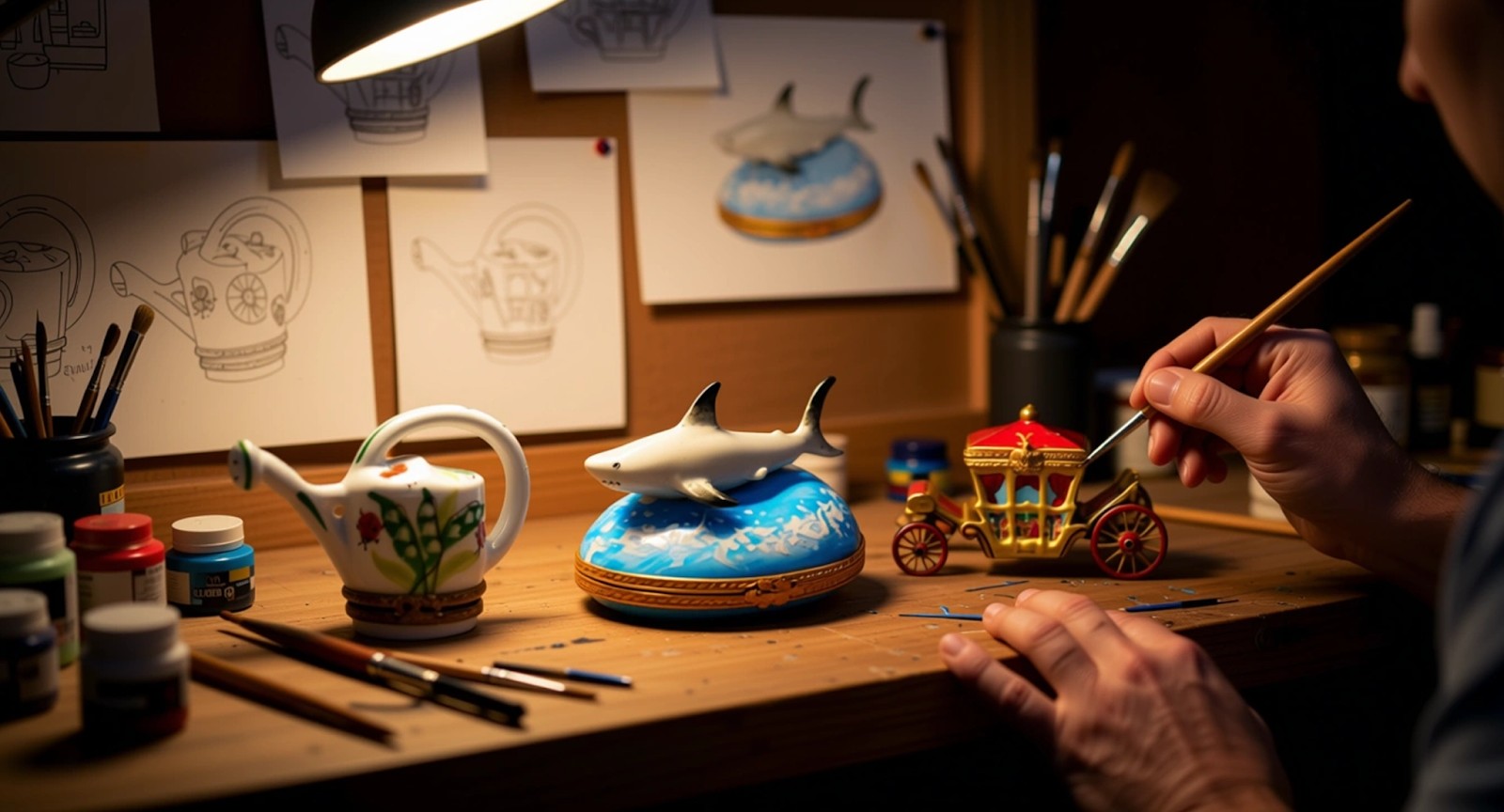
A hand-painted limoges box is more than a decorative object; it is a miniature work of art. Each piece begins as a concept on paper and is brought to life through careful craftsmanship and patient attention to detail. Understanding the techniques involved can enhance your appreciation, whether you are a collector or simply enjoy observing fine artistry. From the initial sketch to the final hand-painted design, every step reflects skill, tradition, and dedication passed down through generations of porcelain artisans.
The Sketching Process
Every limoges box begins with a sketch that serves as a guide for the final design. Artists often find inspiration in nature, architecture, or daily life. The sketch allows them to plan the proportions, composition, and fine details before any paint is applied to the delicate porcelain surface.
For anyone observing the process, it is clear that each hand-painted box starts with thoughtful preparation. The sketch becomes a bridge between imagination and the porcelain canvas, shaping the work in a way that preserves both artistic vision and technical feasibility.
Preparing the Porcelain Surface
Before painting begins, the surface of the porcelain must be prepared. Each box is carefully cleaned and smoothed to create an even canvas that will receive the paint. The quality of this surface affects how the colors appear and how precise the details can be. Small scratches or uneven areas can influence the final design, so handling the porcelain with care is important.
This preparation reflects respect for the material and sets the stage for the painting that follows. A smooth surface allows the colors to remain vibrant and the brushstrokes to appear clear, giving the finished piece a refined and polished look.
Painting Techniques and Color Application
Applying paint to a limoges box requires steady hands and patience. Artists build layers of color gradually, creating depth and subtle transitions in miniature form. Shading, highlights, and fine blending bring life to each scene, whether it is a landscape, an animal, or a floral motif.
The boxes are fired between layers, which strengthens the colors and helps preserve the detail. Observing a completed piece allows you to appreciate how much precision is involved in translating a small sketch into a three-dimensional, hand-painted object. The careful layering of colors and the attention to proportion reveal the skill and dedication required in this art form.
Adding Final Details
After the main design is painted, artists add finishing touches to enhance the overall effect. Fine lines, small accents, and patterns give each piece a sense of balance and completeness. Even minor elements contribute to the visual harmony and elegance of the box.
The additional details require concentration and a steady hand, reinforcing the care that goes into every stage of production. By combining these finishing touches with the painted design, artisans create a piece that captures attention and holds artistic value on close inspection.
Choosing Colors and Pigments
The selection of colors and pigments plays a significant role in the artistry of a hand-painted limoges box. Artists often work with a palette that balances vibrant hues with softer tones to achieve depth and harmony. Each color must be applied carefully, considering how it will interact with adjacent shades and how it will appear after firing. Because the porcelain is fired multiple times, colors can change slightly during the process, so the painter must anticipate the final appearance.
Mixing pigments to achieve the right intensity and consistency requires both experience and a steady hand. The choice of color also contributes to the mood and storytelling of each scene, whether it depicts a gentle landscape, a floral arrangement, or a whimsical animal motif. Observing the finished work reveals the thoughtful decisions behind every shade and highlight.
The richness and subtlety of color in a limoges box reflects the skill of the artisan and the care taken to bring the sketch to life. Understanding how colors are layered and blended allows collectors and observers to appreciate the complexity behind these miniature masterpieces.
Layering and Firing Techniques
Layering and firing are essential steps in bringing a hand-painted limoges box to life. Artists apply multiple layers of paint to achieve depth, dimension, and realistic shading. Each layer is carefully added to enhance texture, highlight details, and maintain balance within the design. After each stage, the box is fired in a kiln to set the colors and harden the surface.
This repeated process not only strengthens the paint but also allows subtle changes in tone that contribute to the overall richness of the piece. Firing requires precision, as temperature and timing can affect the outcome of colors and details. Observing a completed box, you can see how each layer of paint interacts with the others, producing effects that cannot be achieved in a single application.
The combination of layering and firing ensures that the miniature artwork is both durable and visually striking. Collectors gain a deeper appreciation for the time and attention required when they understand how these techniques create a finished piece that is vibrant, detailed, and lasting.
Signature and Personal Touch
The final stage of a hand-painted limoges box often includes the artist’s signature or personal mark. This small detail indicates that the piece is complete and serves as a recognition of the skill and effort involved. Signatures may take the form of initials, a symbol, or a tiny name, and they are usually placed discreetly so as not to distract from the overall design.
Including this personal touch reflects pride in craftsmanship and connects the creator to the object in a meaningful way. Collectors often find that recognizing the artist’s mark adds depth to their understanding of the piece, revealing not just the artwork but the individual behind it. Each signature provides a glimpse into the hand and mind that produced the work, making the box more than a decorative object.
This connection between artist and creation enhances the story of the box and its place in the larger tradition of porcelain artistry. Observing these personal details can deepen your appreciation for the skill, care, and creative vision involved in every piece.
Exploring hand-painted porcelain opens a window into the skill and care behind miniature art. Learning about the process allows you to appreciate pieces that reflect artistry, tradition, and detail.
