

Choosing between inswing vs outswing doors might seem simple, but it affects your home’s security, space, and daily comfort.
I’ve seen homeowners struggle with doors that don’t fit their lifestyle, and I want to help you avoid that mistake.
This guide will explain what inswing and outswing doors are, their pros and cons, and how to choose the right one for your needs.
You’ll also learn about door handing, common mistakes, and alternative options. By the end, you’ll know exactly which door swing works best for your home.
What Is an Inswing Door?
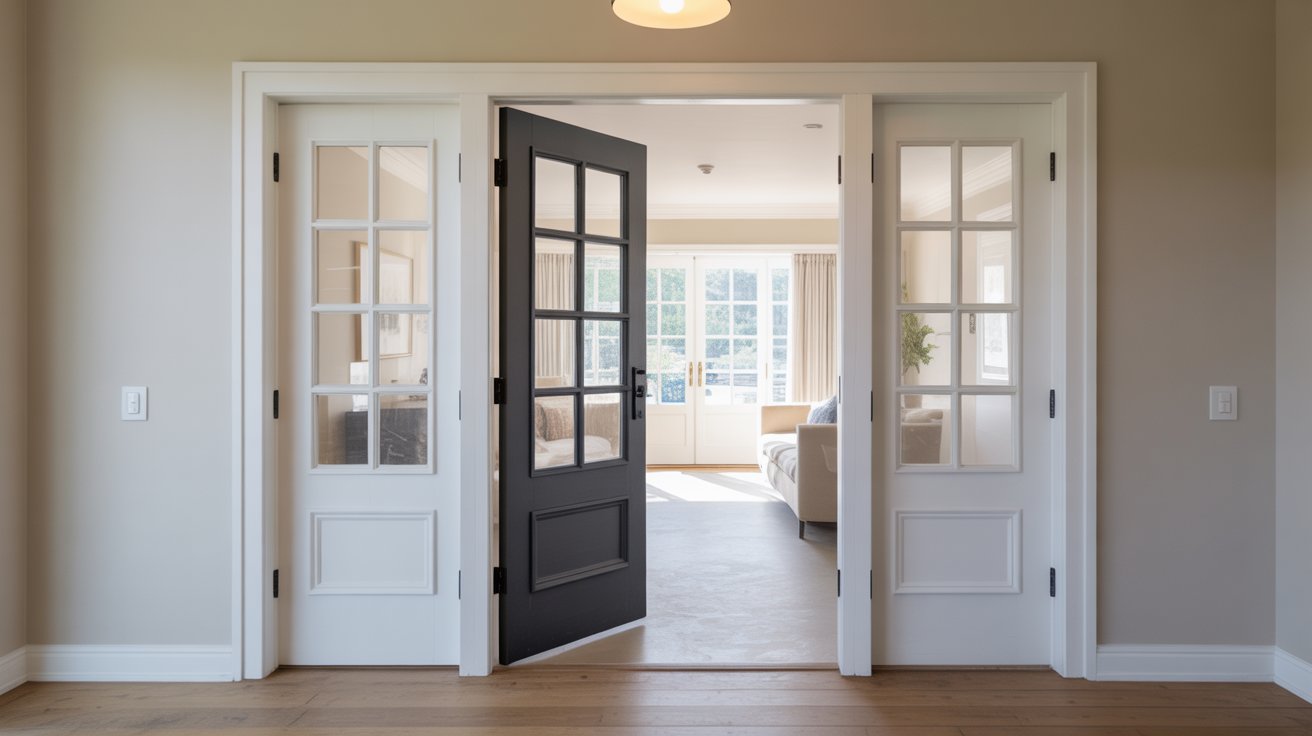
An inswing door opens into your home or room instead of pushing outward. It’s the most common type you’ll see in residential spaces.
The door swings inward when you open it. Hinges sit on the inside of the frame, so you can’t see them from outside. This setup keeps the mechanical parts protected and out of sight.
Advantages and Disadvantages of Inswing Doors
|
Advantages |
Disadvantages |
|
Saves outdoor space. Your porch, patio, or entryway stays clear because the door doesn’t swing into it. |
Takes up indoor space. The door needs clearance inside, which can limit where you place furniture or appliances. |
|
Better weather protection. Rain, snow, and wind press the door against its frame, creating a tighter seal. |
Less secure against kicks. The door can be easier to force open since it swings toward the interior. |
|
Easy to enter. Guests and delivery people can push the door open naturally without stepping back. |
Blocks by debris. Leaves, snow, or packages left outside can prevent the door from opening smoothly. |
What Is an Outswing Door?
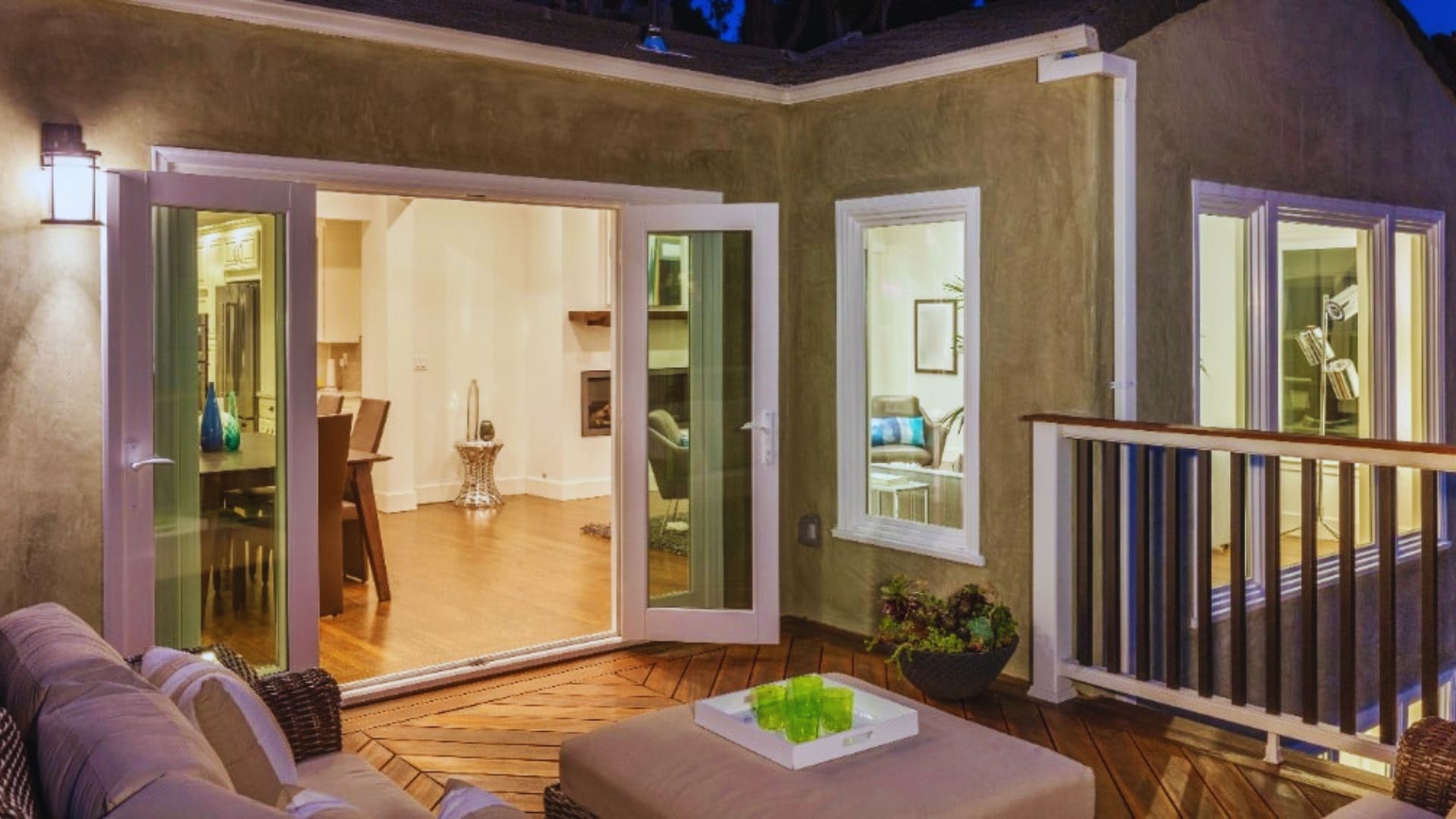
An outswing door opens away from your home, pushing toward the outside. It’s less common but has specific benefits.
The door swings outward when opened. Hinges are mounted on the exterior side of the frame, making them visible from outside.
Pros and Cons of Outswing Doors
|
Advantages |
Disadvantages |
|
Stronger security. The door is harder to kick in because it opens away from intruders. |
Needs outdoor clearance. You must have enough space outside for the door to open fully. |
|
More interior space. Your rooms stay open since the door doesn’t swing inward. |
Exposed hinges. Weather can cause rust or wear on the hinges over time. |
|
Reduces water damage. The threshold design naturally directs water away from your home. |
Blocks walkways. An open door can obstruct paths or stairs if not positioned carefully. |
Factors to Consider When Choosing Door Swing
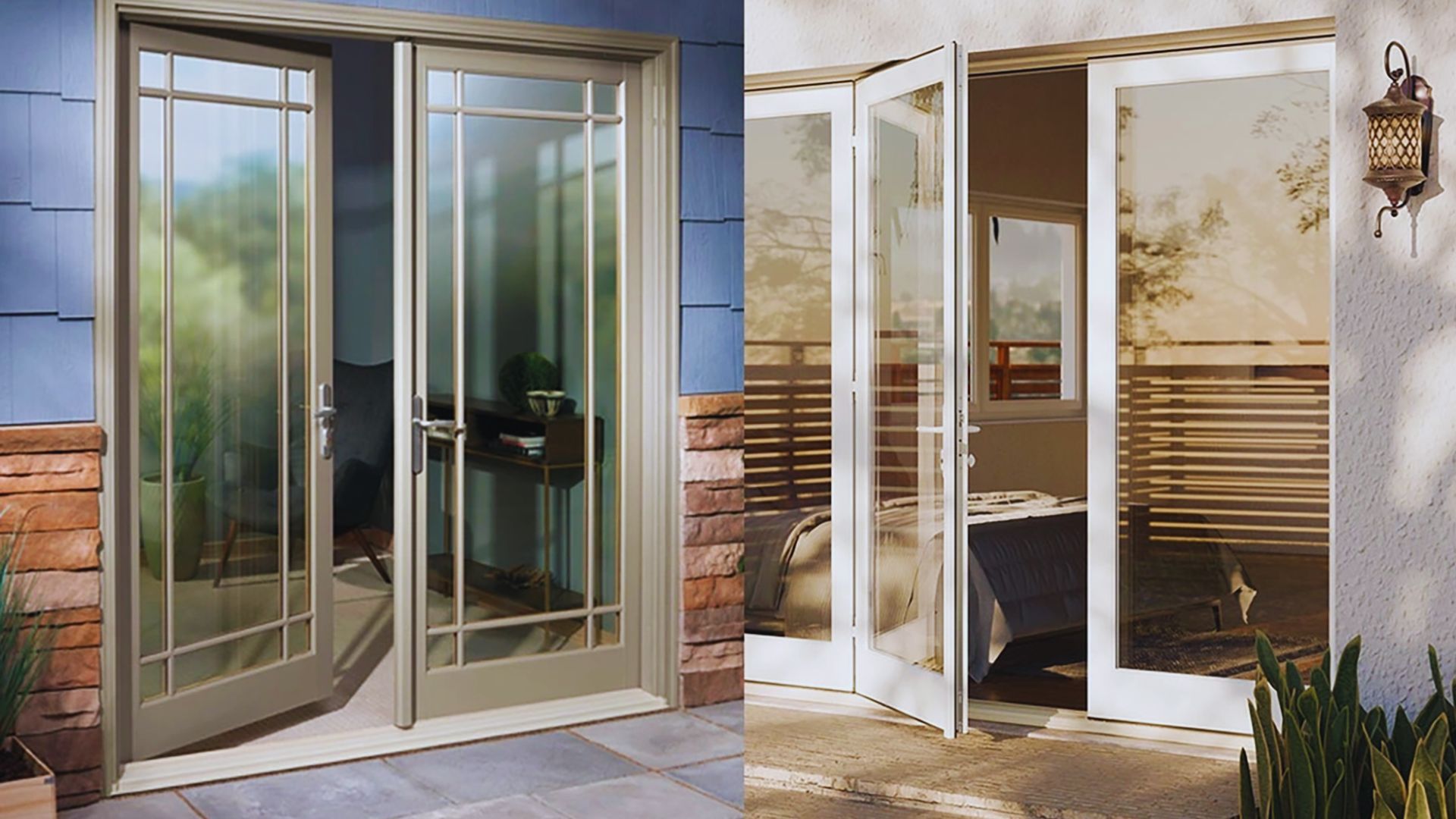
Picking the right door swing depends on several practical factors. Here’s what to think about.
Location and Layout
Look at the space on both sides of your door. Do you have room inside for an inswing? Will an outswing block your porch steps or walkway? Consider how people move through the area daily.
Check if your door opens into a hallway or narrow space. An inswing door in a tight hallway can create bottlenecks. For exterior doors, look at your porch size and any stairs nearby.
An outswing door needs at least 36 inches of clearance to open comfortably.
Also think about furniture placement. Will the door hit a couch, table, or cabinet when it opens? Measure the swing radius before making your choice.
Accessibility
Think about who uses the door most often. Do you carry groceries or packages frequently? Does someone in your home use a wheelchair or walker? The door should make entry and exit simple for everyone.
Inswing doors let you step inside easily while carrying items. You can push the door open with your body and walk right in. Outswing doors require you to step back as they open, which can be tricky with full hands.
For wheelchair users, outswing doors often work better. They create more interior space and don’t force the user to back up while opening the door. The wider threshold also makes rolling through easier.
Size and Space
Measure your interior and exterior areas. An inswing door needs clearance inside, which might interfere with nearby furniture. An outswing door requires outdoor space but leaves your interior open.
Standard doors need about 32 to 36 inches of clearance space. Mark this area on your floor with tape to see what it affects. Move furniture around if needed to test different layouts.
For small rooms like bathrooms or closets, every inch counts. An outswing door can make a tiny space feel much larger. For patios with limited outdoor space, an inswing door keeps your deck or porch clear.
Security
Inswing doors can be reinforced with stronger locks and strike plates. Outswing doors naturally resist forced entry because they open outward. Consider your neighborhood and security needs when deciding.
Inswing doors are easier to kick in at the strike plate. Fix this by installing a security strike plate with 3-inch screws into wall studs. Add a deadbolt that extends at least one inch into the frame.
Outswing doors have exposed hinges, but modern versions use non-removable hinge pins. The door stays secure even if someone tries to remove the pins.
Weather Resistance
Your climate matters. Inswing doors handle strong winds and rain well because pressure seals them tighter. Outswing doors work better in areas with heavy snow buildup since they won’t get blocked.
In hurricane zones, some building codes require outswing doors. Wind pushes them closed instead of forcing them open. Inswing doors can fail under extreme wind pressure.
For rain, inswing doors use a raised threshold while outswing doors have a sloped sill that directs water away.
Both work well when installed correctly. In cold climates, snow can block an inswing door from opening, but outswing doors push snow aside as they open.
Determining Door Handing
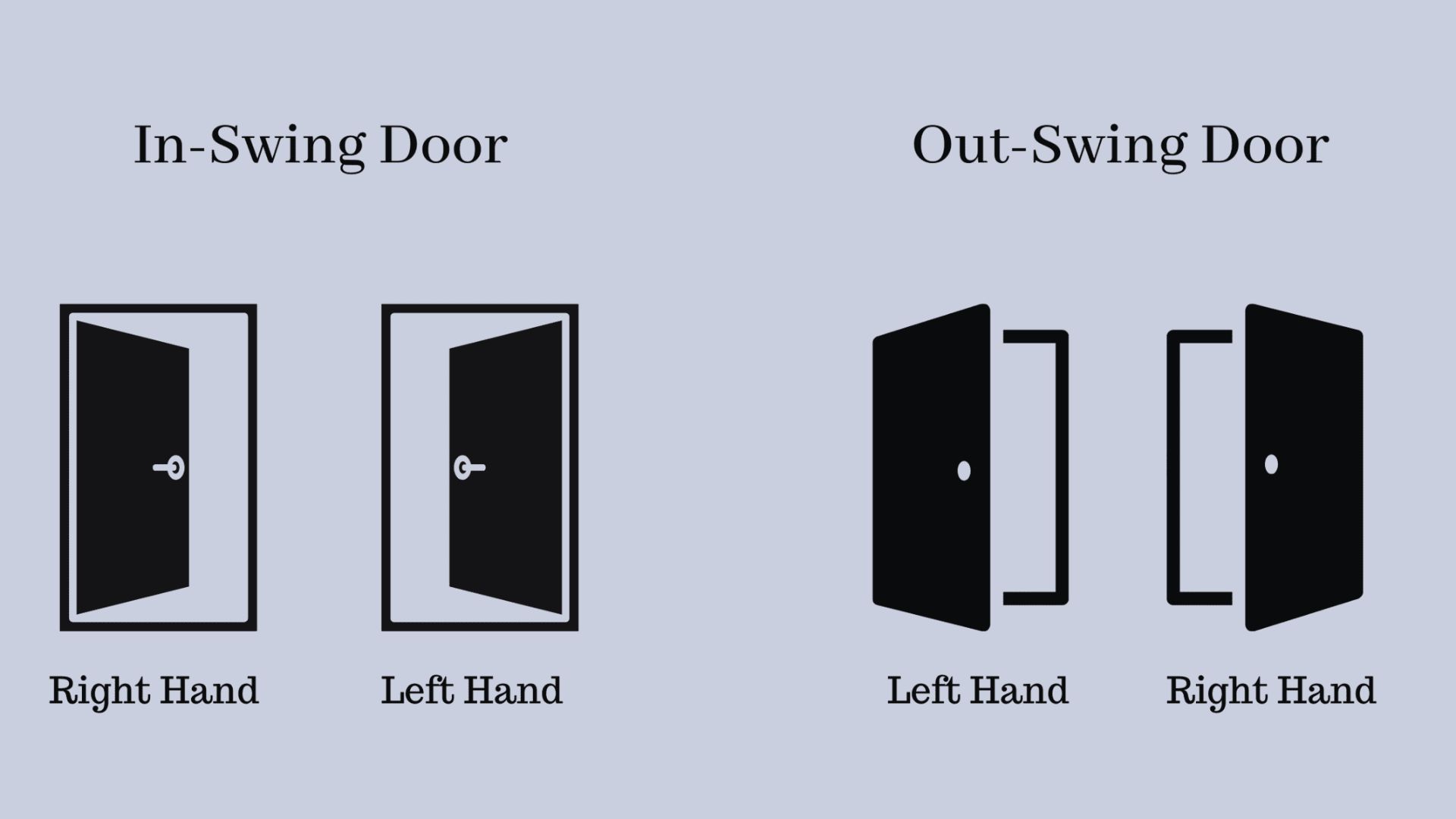
Door handing tells you which side the hinges go on and which way the door opens. Getting this right is important when ordering new doors or hardware.
Stand outside your door. If the hinges are on your left and the door opens inward, it’s a left-hand inswing.
If hinges are on your right, it’s a right-hand inswing. The same logic applies to outswing doors.
Some manufacturers use different naming systems. They might call a left-hand inswing a “left-hand reverse” door. Always confirm with your supplier which system they use.
Send them a photo of your current door to verify the handing.
The handing determines where your lockset goes and which direction your handles turn. If you order incorrectly, the lock will be backwards and won’t work properly.
Common Mistakes to Avoid
Many homeowners make these errors when choosing door swings.
- Choosing based on looks alone. A pretty door doesn’t help if it blocks your hallway or creates security risks.
- Ignoring accessibility. Make sure the door works for everyone who lives in or visits your home.
- Poor installation. Even the best door fails without proper sealing and secure mounting.
- Forgetting future changes. Think about how your needs might shift as your family grows or ages.
Conclusion
I’ve helped several friends choose doors for their homes, and the right swing made all the difference in their daily routine. Remember that inswing vs outswing isn’t just about style. It’s about how your door fits your space, protects your home, and makes life easier.
Think about your security needs, available space, and who uses the door most. Take measurements and consider your climate before deciding.
Your perfect door swing is out there, and now you know how to find it. Got questions or want to share your door choice? Drop a comment below!
Frequently Asked Questions
Can I change an inswing door to an outswing?
Yes, but you’ll need to rehang the door and modify the frame. The hinges must move to the opposite side and the strike plate needs adjustment. A professional installer can ensure proper fit and security.
Which door swing is more secure?
Outswing doors resist forced entry better because they open away from the interior. Inswing doors can match this security level with reinforced frames, quality deadbolts, and strong strike plates.
Do inswing doors work in all climates?
Inswing doors handle most climates well, including wind and rain. Heavy snow areas may have issues since snow buildup can block the door from opening. Consider your local weather when choosing.
How do I measure door handing?
Stand outside facing the door. Note which side has the hinges and the opening direction. If the hinges are on the left and it opens inward, it’s a left-hand inswing door.
Are outswing doors allowed by building codes?
Most codes allow outswing doors, but some areas have restrictions. Exterior doors can’t block fire exits or public walkways. Check your local building codes before installing an outswing door.
