

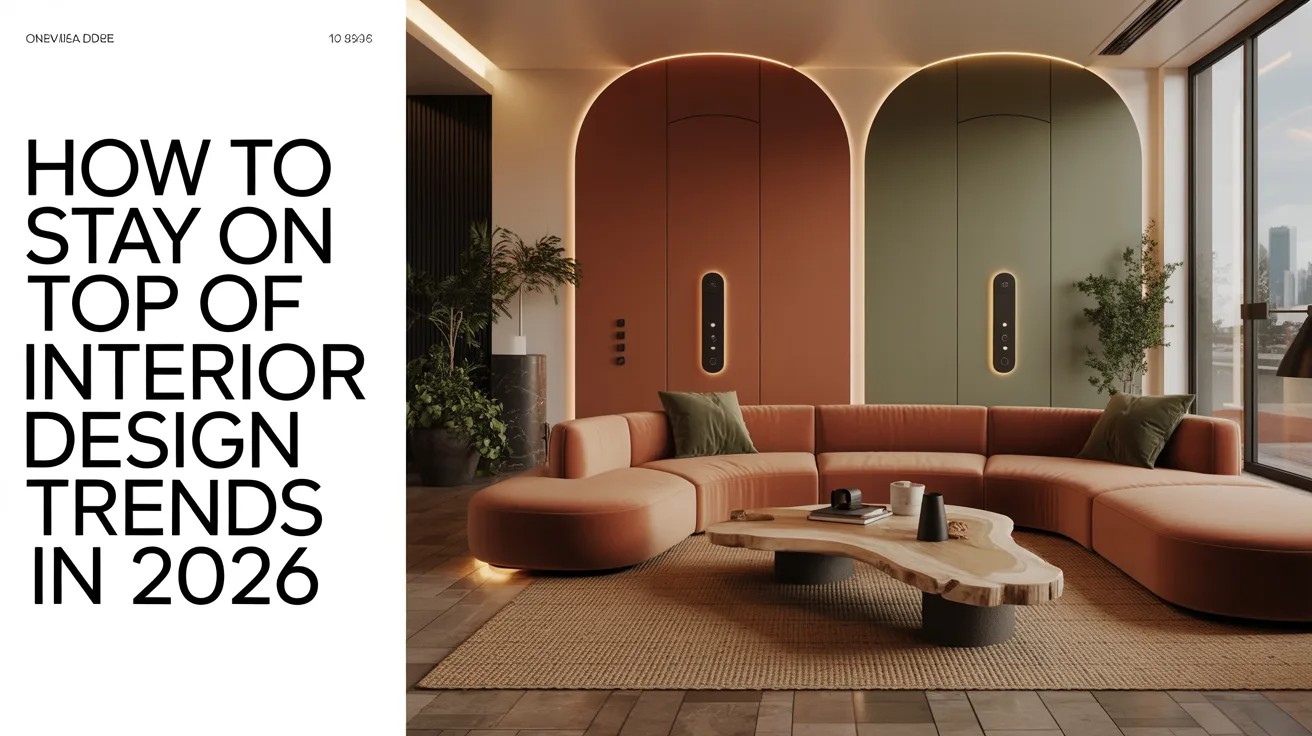
You know that feeling when you walk into someone’s home and everything just feels… right? The colors work, the furniture speaks to each other, and there’s this effortless sense of style that makes you wonder, “How do they do it?”
I’ll let you in on something: you don’t need a design degree or thousands of dollars to stay current. You just need to know where to look.
Right now is pretty exciting. Biophilic design is finally mainstream, warm textures are everywhere, and the design world is more accessible than ever.
Let’s talk about how you can actually keep up without spending hours scrolling or feeling lost.
Follow Design Influencers and Curators on Social Media
Instagram and Pinterest? Still absolutely killing it for design inspiration. But here’s what I’ve learned: you can’t just follow everyone.
Be picky. Really picky.
The accounts worth your time are the ones sharing the why behind their design choices, not just the final pretty photo. I’m talking about mood boards, material samples, even the stuff that didn’t work out.
We’re seeing way more of this in 2026. Designers are pulling back the curtain, showing their process from start to finish. It’s honestly refreshing and super helpful when you’re trying to figure out why certain things work together.
TikTok’s become surprisingly useful too. Those quick room makeover videos? The “here’s how I styled this shelf” clips? They’re perfect for when you’ve got five minutes and a coffee.
Plus, once you start liking design content, the algorithm basically turns your feed into a personalized trend magazine.
One thing that’s helped me: I created a separate Instagram account just for design stuff. Keeps it organized, and I can scroll without getting distracted by everything else.
Subscribe to Leading Design Publications and Newsletters
Social media’s great for quick hits, but magazines and design publications? That’s where you get the full story.
Architectural Digest, Elle Decor, Dezeen—they’re all still putting out solid content. And their websites have gotten way better at making things easy to read on your phone.
Here’s what’s different now: everything’s personalized. You can subscribe to newsletters that match exactly what you’re into. Love sustainable design? There’s a newsletter for that. More of a maximalist? They’ve got you covered.
The stuff you should keep an eye out for:
- Annual trend forecasts from major design houses and color authorities like Pantone or Benjamin Moore
- Designer interviews where industry professionals share what they’re currently excited about
- Material spotlights introducing new sustainable or innovative materials hitting the market
Oh, and podcasts. Don’t skip the podcasts.
Design podcasts have blown up lately. “Clever” and “The Business of Home” are two I actually listen to while doing dishes or commuting. The designers they interview often drop trend hints months before you see them anywhere else.
Join Online Design Communities and Forums
Okay, this is where it gets really good.
Online design communities are like having thousands of design-obsessed friends who actually want to help you. Reddit’s r/InteriorDesign, Discord servers, Facebook groups—they’re packed with both pros and enthusiasts.
What makes these communities valuable? Perspectives from everywhere.
Someone in Tokyo sharing what’s trending there. A designer in Copenhagen talking about Nordic minimalism. Real people giving honest reviews about whether that viral furniture piece is worth it.
But here’s something I ran into: some of the best communities aren’t accessible everywhere. European forums, members-only platforms—they sometimes have geo-restrictions.
That’s where a VPN comes in handy. Not for anything sketchy, just to access design resources that might be blocked in your region. Especially useful for researching international trends or joining discussions with designers from specific markets.
The real trick? Don’t just lurk.
Ask questions. Share your projects (even failed ones). Jump into discussions. You’ll learn faster, and people will point you to resources you’d never find alone.
Attend Design Weeks and Trade Shows
There’s nothing quite like seeing this stuff in person.
Milan Design Week, London Design Festival, High Point Market—these events are where the industry shows what they’re betting on for the next year. And they’re all happening in full force again in 2026.
Can’t fly to Milan? No problem.
Most major events now do hybrid versions with virtual tours and live streams. It’s not the same as being there, but you can still see what’s new from your couch.
And honestly, don’t sleep on local stuff. Your city probably has home shows, design district events, or art walks happening throughout the year. Local designers often pick up on global trends early and put their own spin on them.
Visit Showrooms and Concept Stores
Here’s a free tip most people miss: furniture showrooms are basically trend forecasting services that cost you nothing.
Brands spend serious money researching what’s next, then put it on display.
Walk into a West Elm or CB2 right now. Warmer wood tones everywhere. Curved furniture. Tons of textured fabrics layered together. That’s the industry telling you what’s happening in 2026.
You don’t have to buy anything. Just notice how things are styled, which colors keep showing up, what materials are getting the spotlight.
Concept stores are even better. The ones mixing furniture with art and lifestyle stuff show you how trends work across different areas, not just your living room.
Collaborate with Local Designers and Studios
Want to get serious about understanding trends? Get to know some local interior designers.
Many offer consultations or workshops. It’s their job to stay on top of trends, and they’re usually happy to share what they’re seeing.
Follow a few local studios on Instagram or sign up for their newsletters. They filter global trends through a local lens—they know what’ll work in your climate, what materials you can get around here, and how to make high-end ideas work on normal budgets.
Some even do studio tours or open houses. You get to see materials in person, touch fabrics, check out furniture pieces up close. Plus, you meet other people who care about design.
Staying Inspired Without Getting Overwhelmed
Look, here’s the thing: this should be fun, not stressful.
Not every trend is going to work for you. Some won’t fit your budget. Some won’t match your lifestyle. Some you just won’t like, and that’s totally okay.
You’re not trying to redecorate every time a new trend drops. You’re just staying informed so when you DO want to make changes, you know what’s out there.
Create whatever system works for you. Maybe you save stuff to Pinterest once a week. Maybe you keep notes on your phone about ideas from podcasts. Whatever makes it feel natural instead of like homework.
Final Thoughts
Honestly? Staying on top of design trends in 2026 is pretty easy if you know where to look.
You’ve got Instagram serving up daily inspiration. Design magazines breaking down the why behind trends. Online communities where people actually help each other out. Virtual design events you can attend in your pajamas.
It’s all there. You just have to dive in.
Start small though. Pick two or three things from this list—whatever sounds most interesting to you. Try them out for a month. You’ll be surprised how quickly you start spotting trends and feeling confident about your design choices.
Ready to get started? Here’s your homework: Follow five new design accounts this week. Join one online community. That’s it. Your space (and your future self) will thank you.
