

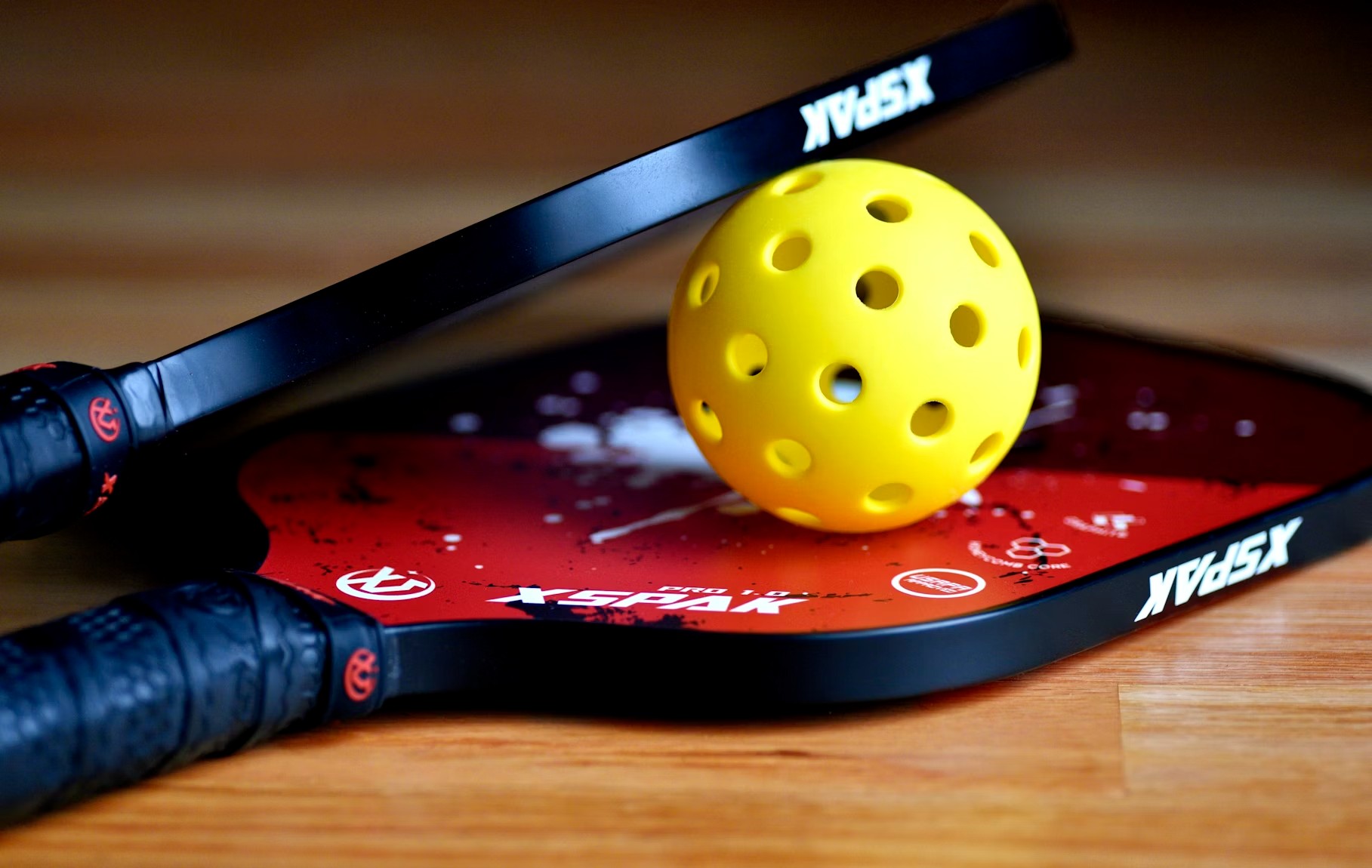
Designing a backyard that works for children and adults alike has become a priority for many families. Outdoor spaces are no longer just about aesthetics; they are extensions of daily living where play, movement, and connection happen naturally. When planned thoughtfully, a backyard can support early childhood development, encourage healthy activity, and grow with your family over time. Whether you are starting with soft play areas or planning larger upgrades, including options supported by professional pickleball court installers in Nashville can help turn a simple yard into a long-term family asset.
Creating a Safe Foundation for Play
Every kid-friendly backyard starts with safety as the foundation. Children need surfaces that reduce impact, allow freedom of movement, and provide parents supervising play with peace of mind. Ground materials should be carefully selected to balance comfort and durability while minimizing the risk of slips and falls.
Soft play surfaces help establish a welcoming environment where toddlers and young children can explore confidently. These areas act as a buffer between structured play and open movement, making the backyard feel approachable rather than overwhelming. When safety is addressed early in the design process, it becomes easier to layer in additional features without compromising comfort.
Incorporating Play Mats and Flexible Zones
Play mats are one of the most versatile additions to a family’s backyard. They offer a defined space for imaginative play, early motor development, and quiet outdoor activities. Because they are flexible in placement and design, play mats can adapt as children grow and interests change.
These zones can be placed near the home for easy supervision or combined with other features, such as sand tables or climbing elements. Over time, play mat areas can transition into open activity spaces, seating areas, or training zones. Designing with flexibility in mind ensures that the backyard remains useful for many stages of family life.
Designing Open Areas for Movement and Games
As children grow, they naturally gravitate toward activities that involve running, coordination, and friendly competition. Open lawn or turf areas allow for unrestricted movement while supporting a wide range of games and sports. These spaces help children develop balance, strength, and confidence through unstructured play.
Open zones also encourage shared family activities. Parents and children can easily move between casual play and organized games without having to change locations. A well-planned open area acts as the central connector of the backyard, bringing together different play zones into a cohesive experience.
Introducing Sports Features for All Ages
Adding sports features transforms a backyard from a play space into a multi-generational activity hub. Courts and game areas encourage consistent physical activity while teaching teamwork and communication. When designed properly, these features remain accessible for beginners and engaging for more experienced players.
Pickleball courts, in particular, offer a unique balance of simplicity and excitement. The sport is easy to learn, low-impact, and suitable for a wide age range. Incorporating a court allows children to develop coordination while giving adults a reason to stay active close to home.
Planning a Pickleball Court for Family Use
A backyard pickleball court should be designed with both playability and safety in mind. Proper spacing, surface quality, and layout ensure that the court enhances the yard rather than overwhelming it. When integrated into the overall design, the court becomes a natural extension of family recreation.
Working with professionals ensures the court meets performance standards while seamlessly integrating into the backyard environment. Expert installation supports long-term durability and consistent play conditions. A well-designed court becomes a lasting investment that adapts as children grow into more competitive players.
Balancing Active Play With Relaxation Areas
A truly kid-friendly backyard balances energy and rest. While active play areas are essential, children also benefit from spaces designed for downtime and creativity. Shaded seating, quiet corners, and soft textures help children recharge between activities.
Parents benefit from these zones as well. Comfortable seating near play areas allows for supervision without constant movement. By blending active and calm spaces, the backyard supports healthy routines and encourages longer, more enjoyable time outdoors.
Designing With Growth and Longevity in Mind
One of the most critical aspects of backyard design is planning for the future. Children outgrow certain features, but well-designed spaces evolve rather than becoming obsolete. Modular layouts and adaptable surfaces allow the yard to evolve without requiring a complete redesign.
A backyard that starts with play mats and open zones can later incorporate structured sports features like pickleball courts. This approach spreads investment over time while maintaining usability at every stage. Designing for growth ensures that the backyard remains relevant and valuable for years to come.
Conclusion
A kid-friendly backyard is more than a collection of play elements; it is a thoughtfully designed environment that supports development, activity, and family connection. From safe foundational surfaces and flexible play zones to open movement areas and sports features, each component plays a role in creating a balanced outdoor space. When planned with care and professional guidance, including options like a well-installed pickleball court, a backyard can grow alongside your family. The result is a space that encourages healthy habits, shared experiences, and lasting memories right at home.
