


I get it: when someone says “100 feet,” your brain doesn’t automatically picture the distance. Numbers alone don’t help much. You need something real to compare it to. That’s exactly what I’m here to help you with.
In this article, I’ll show you how long is 100 feet using things you see every day. We’ll look at sports fields, buildings, vehicles, and even ocean creatures.
I’ll also share practical ways to measure this distance without any fancy tools. By the end, you’ll know exactly what 100 feet looks like in the real world.
Trust me, once you match it to familiar objects, this measurement will make total sense.
Quick Answer: How Long Is 100 Feet?

100 feet equals about 30.5 meters. If you’re walking at a normal pace, it takes roughly 30 to 35 steps to cover this distance. Think of it as the length of three school buses parked nose to tail.
Or imagine walking from your front door to the end of a typical driveway and a bit beyond. It’s not a huge distance, but it’s long enough to matter in safety zones, property lines, and sports measurements.
100 Feet in Different Units:
Here’s how 100 feet translates into other common measurements:
Meters: 100 feet = 30.48 meters
Inches: 100 feet = 1,200 inches
Yards: 100 feet = 33.33 yards
Kilometers: 100 feet = 0.03048 kilometers
These conversions help when you’re working on projects that use metric measurements or need precision in smaller units.
Why Understanding 100 Feet Matters
Knowing what 100 feet looks like helps in more situations than you might think. Property owners need this measurement for setback rules and fence placements.
Emergency responders rely on it for safe evacuation zones and equipment reach. Outdoor enthusiasts use it to estimate hiking distances or set up campsites at proper intervals.
Construction crews measure foundation distances. Landscapers plan irrigation systems. Even kids playing sports benefit when they understand field dimensions.
This distance shows up in building codes, fire safety regulations, and parking lot designs. When you can visualize 100 feet accurately, you make better decisions about space, safety, and planning.
Real-Life Comparisons to Visualize 100 Feet
Let me show you objects and spaces that match this measurement. These examples will stick in your mind much better than any number.
Sports and Recreation Examples
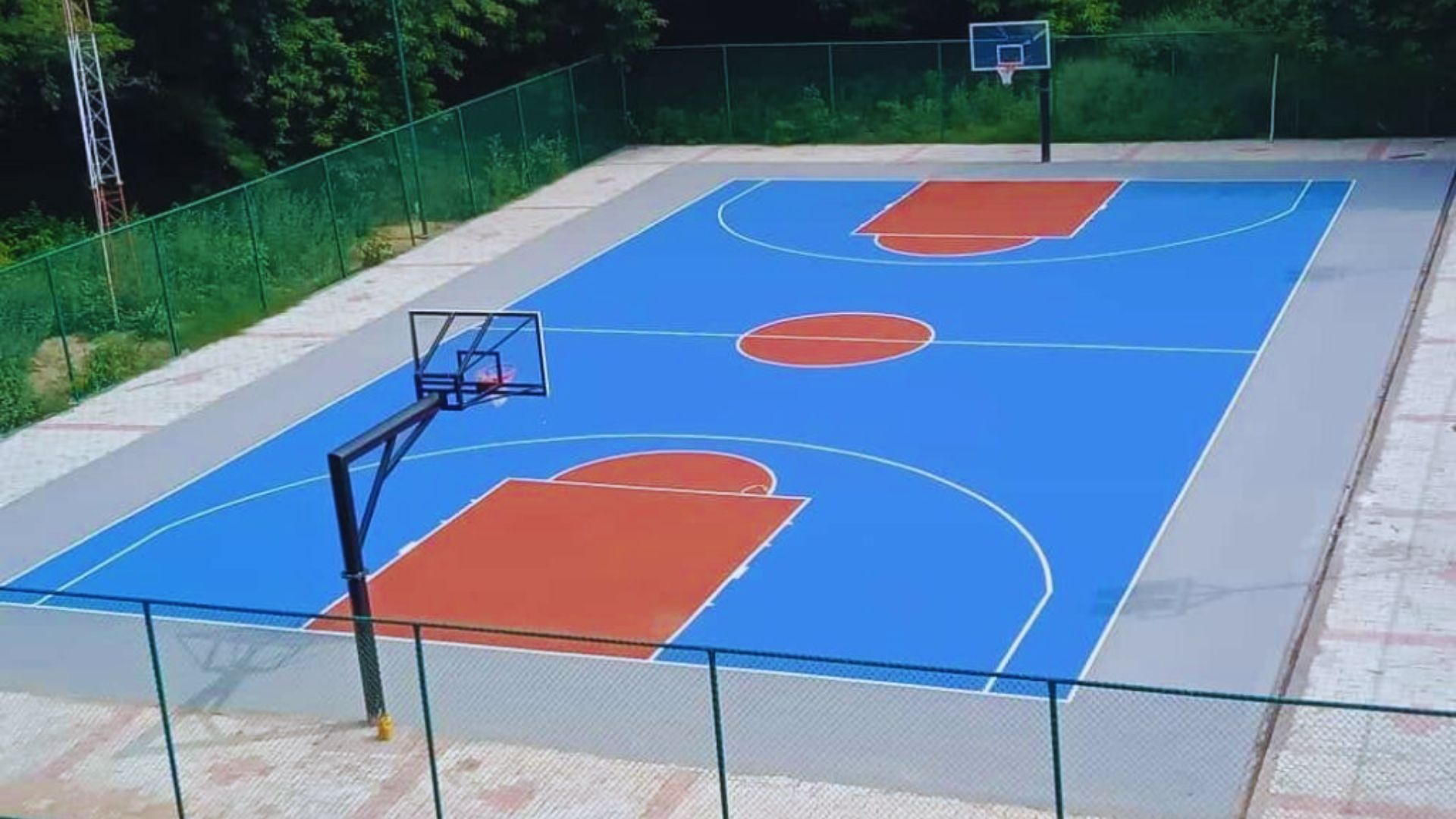
Basketball courts run about 94 feet long. Add a few extra feet for the out-of-bounds area, and you’ve got 100 feet. Tennis courts measure 78 feet from baseline to baseline.
Include the space behind each baseline, and you’re right at 100 feet. In baseball, the distance from home plate to first base is 90 feet. Add another 10 feet past the base, and you hit the mark.
Buildings and Vertical Structures
A typical 10-story building stands roughly 100 feet tall. Each floor averages about 10 feet, so counting floors gives you a quick visual.
Mid-rise apartments and small office buildings often reach this height. When you look up at a structure this size, you’re seeing 100 feet of vertical distance.
Vehicles and Transportation
Place two semi-truck trailers end to end, and you get close to 100 feet. Standard trailers measure 53 feet, so two of them stretch past this distance.
Railroad freight cars are about 50 feet long. Line up two cars, and there’s your 100 feet. Some regional commercial jets have fuselages near 100 feet long from nose to tail.
Nature and Wildlife Examples
The blue whale grows up to 100 feet in length. It’s the largest animal on Earth, and its full body length matches this measurement perfectly.
Coastal redwood trees can have trunk sections extending 100 feet before the first branches appear. Some mature palm trees reach heights near 100 feet in tropical climates.
Marine and Luxury Examples
A 100-foot yacht is considered a large luxury vessel. These boats require special marina slips and can accommodate multiple cabins and decks.
When you walk along a harbor and see a yacht this size, you’re looking at exactly 100 feet of watercraft.
Practical Applications of 100 Feet

This measurement pops up in real-world situations more often than you’d expect.
Construction and Property Planning
Zoning laws often require buildings to sit 100 feet back from roads or property lines. This setback protects homes from noise and traffic.
Landscapers use this distance to plan sprinkler coverage and garden bed spacing. When you’re designing a backyard project, knowing 100 feet helps you space features properly.
Safety and Emergency Use
Fire hoses typically extend 100 feet from the truck to reach burning buildings. Firefighters need this length to work safely while maintaining water pressure.
Evacuation zones around chemical spills or dangerous materials often use 100-foot perimeters. Police set up barriers at this distance during emergencies.
Outdoor Activities and Navigation
Hikers estimate trail distances by counting how many 100-foot segments they cover. Park planners space picnic tables and campsites 100 feet apart for privacy.
When you’re setting up a temporary sports field or outdoor event, this measurement helps create proper boundaries.
Tips to Measure 100 Feet Without Tools
You don’t need a tape measure or laser distance finder to figure out this distance.
- The average adult stride covers about 2.5 to 3 feet. Take 35 to 40 normal steps, and you’ve walked roughly 100 feet. This method works great in open fields or parking lots.
- Count your steps out loud or use a clicker to keep track as you walk. It helps you stay accurate when measuring longer distances outdoors.
- Cars average 15 feet long. Park 6 to 7 cars end to end, and you hit 100 feet. This works well in parking lots for quick estimates.
- City buses measure about 40 feet. Two and a half buses lined up give you the distance you need.
- Telephone poles or utility poles stand roughly 40 feet apart. Count three gaps between poles, and you’re close to 100 feet.
- Stand outside and count 10 floors up a building. That vertical height equals 100 feet, giving you a quick visual reference.
- Inside a building, office rooms typically run 12 to 15 feet across. Walk through 7 to 8 rooms in a straight line, and you’ve covered the distance.
Conclusion
I’ve always found that numbers make more sense when you tie them to real things. Now you know that 100 feet is two semi-trucks, a blue whale, or 10 building floors.
You can measure it with your steps or by counting cars. Next time someone mentions this distance, you’ll picture it instantly.
Try spotting these comparisons in your daily life, at the park, in parking lots, or near buildings. It makes the measurement stick.
Got your own favorite way to visualize 100 feet? Drop a comment below and share it with me. I’d love to hear what works for you.
Frequently Asked Questions
How many steps does it take to walk 100 feet?
It takes about 35 to 40 normal steps to cover 100 feet, depending on your stride length. Most adults have a stride between 2.5 and 3 feet, so this estimate works for quick measurements outdoors.
What building height equals 100 feet?
A 10-story building typically stands around 100 feet tall. Each floor averages 10 feet in height, making this an easy visual reference when you see mid-rise structures in cities.
How long is 100 feet compared to a football field?
A football field is 300 feet long from goal line to goal line. So 100 feet is exactly one-third of the field’s length, or the distance from one goal line to the 33-yard line.
Can I measure 100 feet using my car?
Yes. Most cars are 12 to 15 feet long. Park 6 to 7 cars end to end, and you’ll have approximately 100 feet. This method works well in parking lots for quick distance checks.
How many meters are in 100 feet?
100 feet equals 30.48 meters. This conversion helps when you’re working with metric measurements in construction, landscaping, or international projects that require precision.
