

I know you’re wondering how long do kitchen cabinets last because you want to plan your budget and avoid costly surprises. Good news: I’m here to help you figure that out.
Most cabinets stick around for 15 to 20 years, but that number changes based on several factors.
In this guide, I’ll walk you through what affects cabinet lifespan, how to spot warning signs, and ways to make yours last longer.
You’ll learn about material quality, moisture damage, maintenance tips, and when to repair versus replace. I’ve worked with cabinets for years, and I’ll share what actually works.
Let’s get your cabinets lasting as long as possible.
Average Lifespan of Kitchen Cabinets
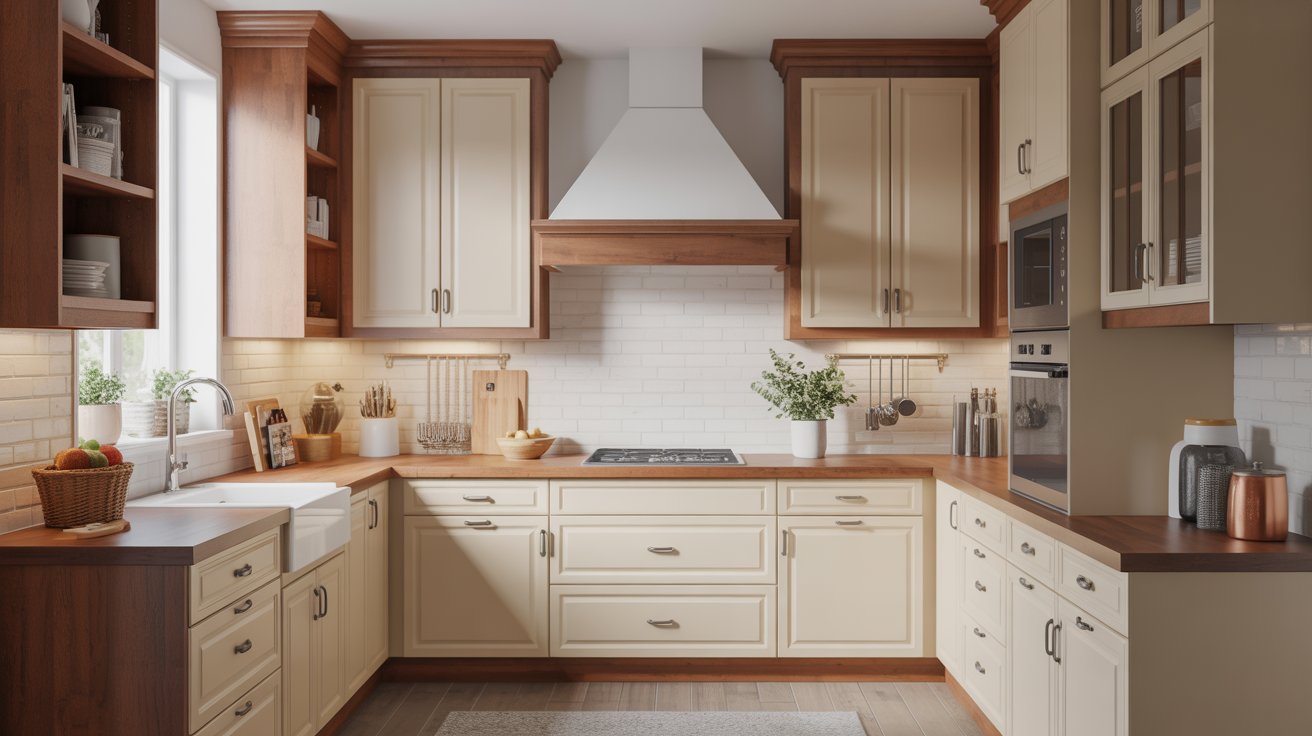
Kitchen cabinets typically last 15 to 20 years with proper care, though quality materials and expert installation can extend this timeframe significantly.
Most kitchen cabinets hit the 15 to 20 year mark before needing replacement. High-end cabinets push past 20 years, while cheaper options might only make it to 10 or 12 years.
Solid wood cabinets last the longest and handle daily wear better than particle board or laminate. Plywood resists moisture well. Particle board and MDF are budget-friendly but break down faster with humidity. A good sealant protects the wood underneath.
Poor installation cuts cabinet life short. Professional installation ensures proper alignment and weight distribution. How you use your cabinets matters too. Slamming doors, overloading shelves, and heavy traffic all speed up wear.
Factors That Affect How Long Kitchen Cabinets Last
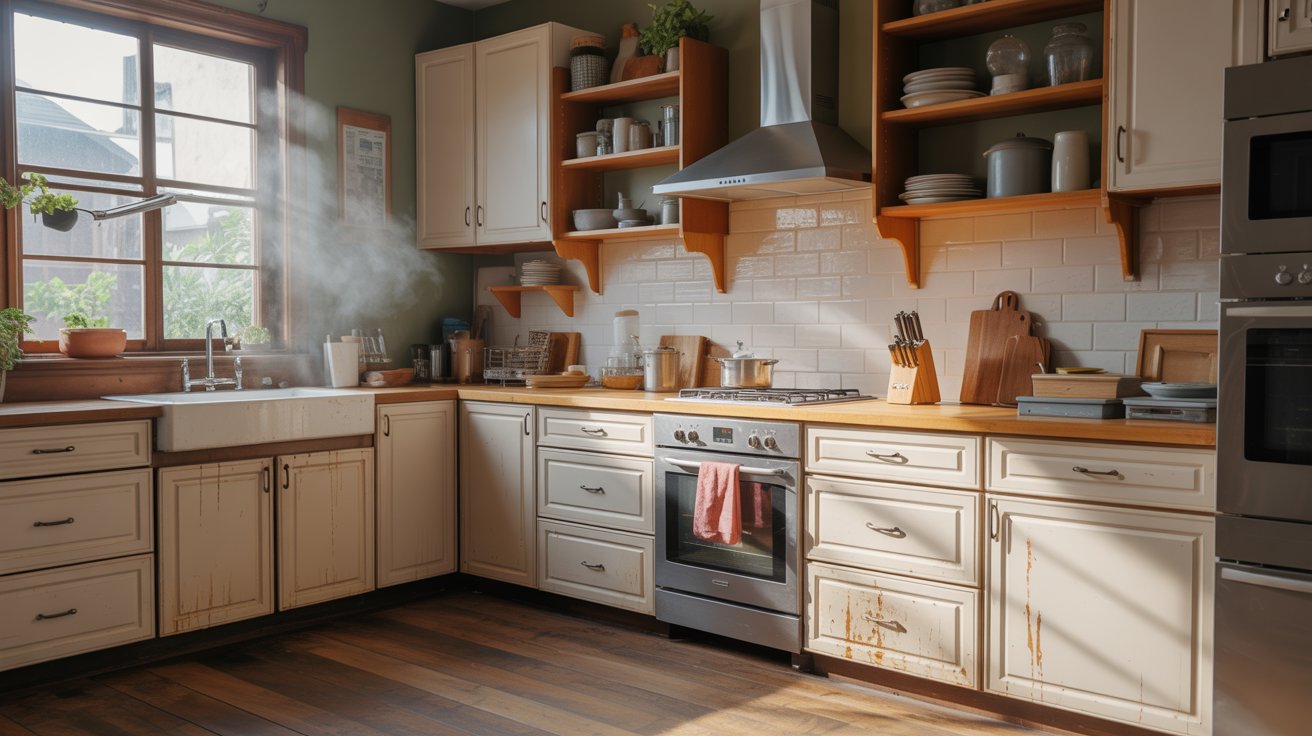
Moisture exposure, water damage, excessive weight, poor maintenance, structural issues, and heat can significantly reduce cabinet lifespan and performance.
Moisture and Humidity Exposure
High humidity makes wood swell and contract, weakening joints over time. Poor ventilation traps moisture inside cabinets, creating the perfect environment for damage.
Kitchens near bathrooms face more problems since steam seeps into adjacent rooms. Coastal homes deal with extra humidity that speeds up deterioration of hardware and finishes.
Water Damage and Spill Frequency
Spills under the sink are common culprits. Small leaks go unnoticed until damage spreads. Water left on counters drips down cabinet faces, ruining the finish and swelling the wood.
Dishwasher leaks hit lower cabinets hard. I once ignored a small drip for months and the cabinet floor became spongy and had to be replaced.
Excessive Weight and Overloading
Shelves have weight limits. Overloading causes them to sag permanently. Heavy cookware belongs in lower cabinets since upper cabinets aren’t built for cast iron pots.
Pantry cabinets need reinforcement for bulk items. Check for sagging every few months to catch problems early.
Poor Maintenance Habits
Skipping regular cleaning allows grime to build up. Grease eats away at cabinet finishes. Harsh chemicals damage protective coatings, so stick to gentle soap and water.
Ignoring sticky hinges makes doors harder to open, stressing the mounting points. Neglected cabinets fail faster than maintained ones.
Structural Damage or Loose Hardware
Loose screws need immediate attention since they cause doors to hang crooked and wear unevenly. Stripped screw holes won’t hold hardware properly.
Cracks in the cabinet box weaken the whole structure. Door hinges work loose over time, but tightening them takes minutes and prevents bigger issues.
Heat Exposure Near Stoves or Appliances
Cabinets above stoves take serious heat that dries out wood and damages finishes faster. Heat discolors white cabinets to yellow permanently.
Range hood installation helps protect upper cabinets by directing heat away from wood surfaces. Keep hot pans away from cabinet faces when cooking.
Signs Your Kitchen Cabinets Need Replacement
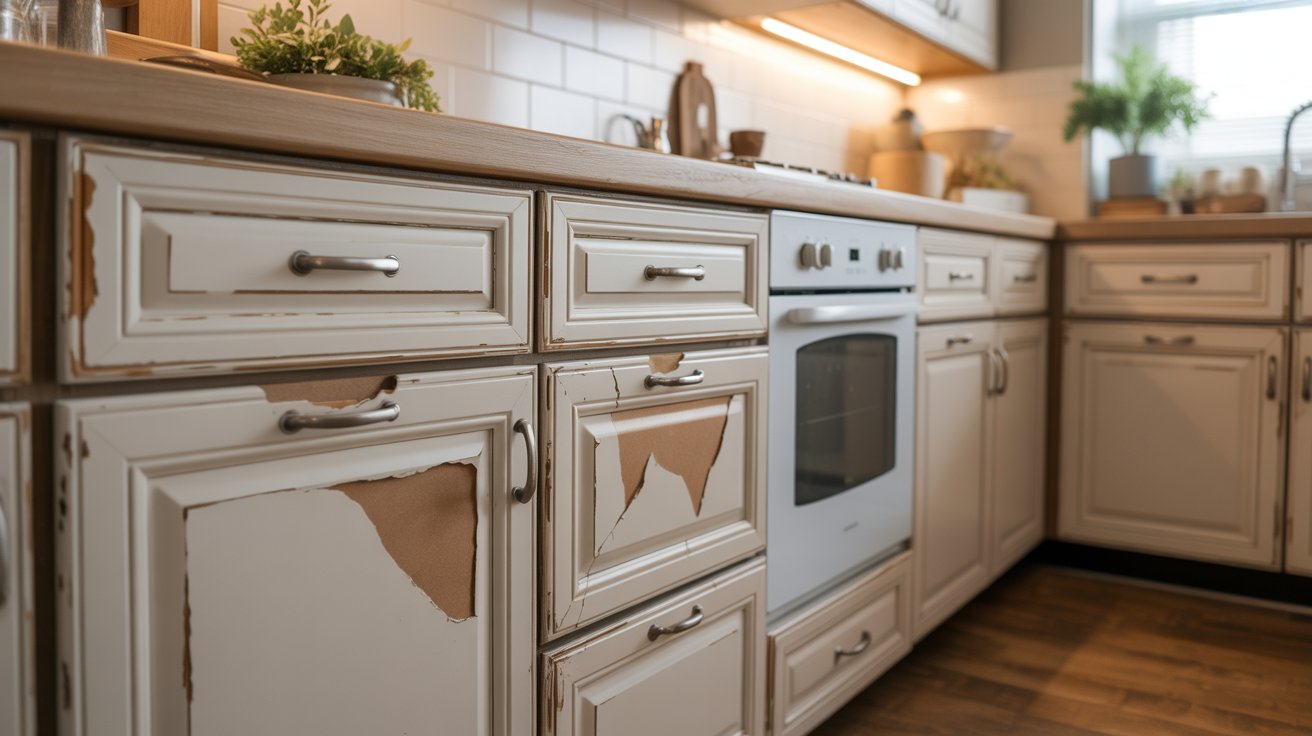
Persistent water damage, structural cracks, misaligned doors, mold growth, sagging shelves, and outdated layouts indicate cabinets need professional replacement soon.
Persistent Moisture Damage or Warping
Warped cabinet doors won’t close properly and create gaps that look bad and let dust in. Water stains that won’t clean off signal deep damage since the wood underneath has absorbed too much moisture.
Bubbling or peeling veneer means water got behind the surface, and this damage can’t be reversed. If the cabinet box feels soft when pressed, structural integrity is compromised.
Cracks, Peeling, or Structural Weakness
Cracks in door panels spread over time. They start small but eventually split the whole door. Peeling laminate exposes particle board underneath and continues to lift and curl.
Corner joints that separate indicate structural failure since the cabinet box is pulling apart. I’ve seen cabinets where the door literally fell off, a clear sign replacement time has arrived.
Doors No Longer Align or Stay Closed
Doors that swing open on their own need attention. Adjusting hinges might help temporarily, but if doors won’t stay aligned after multiple adjustments, the frame is warped.
Gaps between doors grow wider over time when the structure shifts. Drawer fronts that tilt indicate the cabinet is no longer square and the whole unit has become unstable.
Mold, Odor, or Rot Inside the Cabinet Box
Mold growth inside cabinets is a health concern and means moisture problems are serious. Musty smells that won’t go away come from rot hidden inside the walls.
Black spots on interior surfaces indicate active mold requiring immediate action. Soft spots when you press on interior walls mean the wood is breaking down.
Sagging Shelves or Loose Hinges Repeatedly
Shelves that sag even after replacement can’t support weight anymore since the cabinet sides are too weak. Hinges that keep coming loose have stripped screw holes, and new hinges won’t fix the underlying problem.
If you’re tightening the same screws every few months, the material can’t hold hardware anymore. Multiple repairs in the same area signal bigger issues, and sometimes replacement costs less than ongoing repairs.
Outdated Layout That No Longer Meets Your Needs
Kitchens from 30 years ago have different storage needs, and modern appliances don’t fit in old spaces. If you’re constantly frustrated by lack of storage, new cabinets solve the problem with better layouts that use space more efficiently.
Deep corner cabinets waste space without proper organizers while modern designs access every inch. Your family’s needs change over time, and what worked 15 years ago might not work now.
How to Extend the Life of Your Kitchen Cabinets
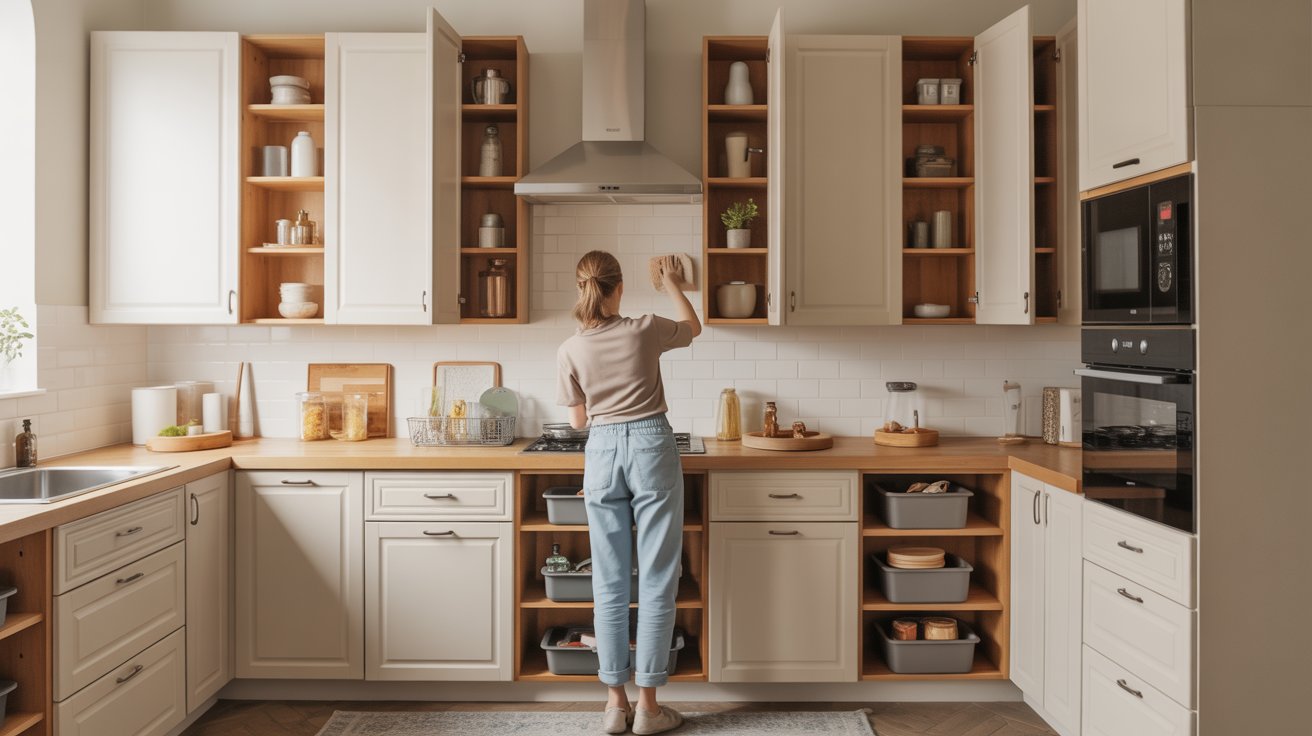
Clean cabinets weekly with mild dish soap and water using microfiber cloths. Wipe in the direction of the wood grain and dry immediately.
Clean spills right away and check under sinks monthly for leaks. Open cabinet doors occasionally to air them out.
Run your range hood while cooking. Use dehumidifiers in damp areas and open windows when possible.
Soft-close hinges prevent door slamming and reduce wear. I added them five years ago and noticed a big difference.
Use shelf liners and waterproof liners under sinks. Add drawer organizers to reduce wear.
Reapply cabinets finish every few years. Touch up scratches promptly to prevent moisture damage.
Fix loose screws immediately. Replace worn drawer slides and address sticky doors right away. Small repairs prevent big expenses.
Choosing Durable Cabinet Materials
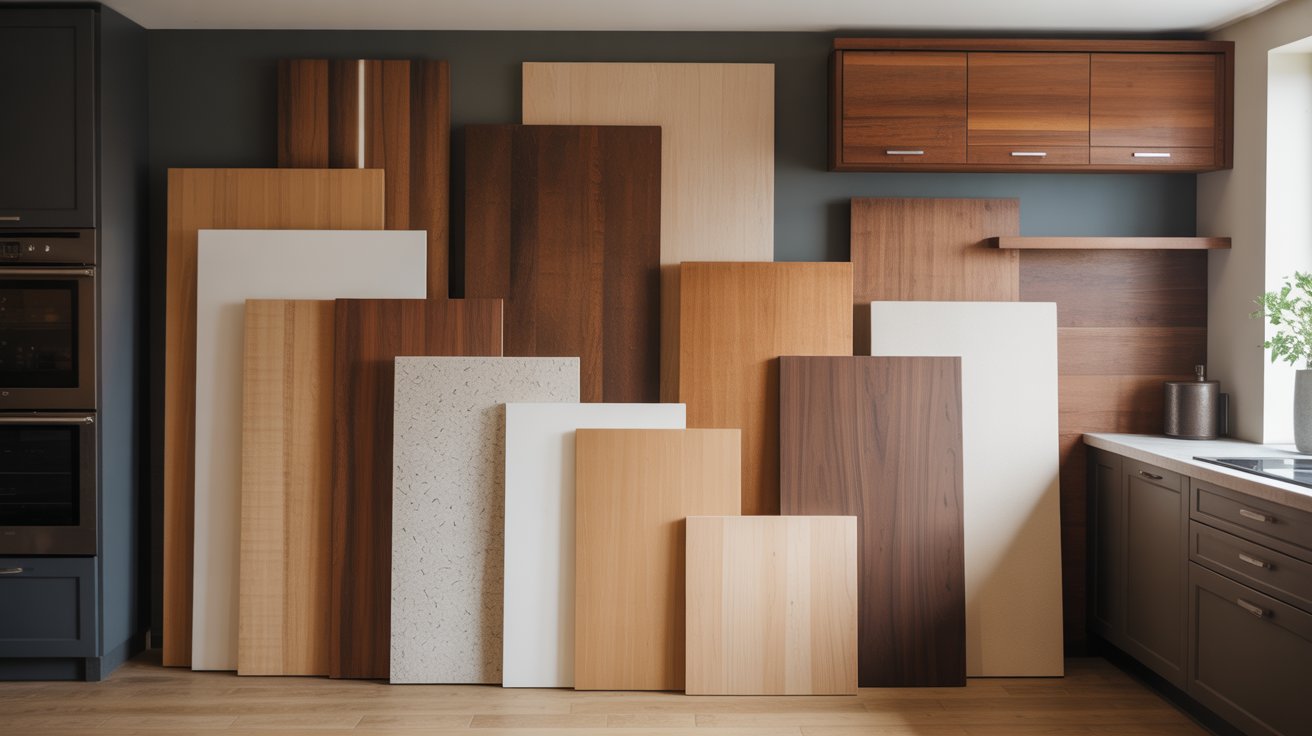
Solid wood cabinets last the longest. Oak, maple, and cherry handle moisture well and can be sanded and refinished multiple times. Plywood offers excellent strength, resists warping, and is more stable than solid wood. Full plywood boxes cost more upfront but pay off in longevity.
MDF provides a smooth surface for painted cabinets at lower cost. Standard MDF struggles with moisture and swells when wet. HDF is denser than MDF, holds hardware better, and resists damage better.
Water-based polyurethane creates a protective barrier over wood. Catalyzed finishes offer commercial-grade protection for high-use kitchens. Marine-grade varnish works well in humid climates. Quality finishes cost more but last longer with less maintenance.
Conclusion
Now you know how long do kitchen cabinets last and what keeps them going strong. I’ve seen too many people ignore small issues until they become expensive problems. A quick wipe here, a tightened screw there.
These tiny habits add up. Start this week by checking one thing: look under your sink for leaks or tighten loose hinges. Your cabinets will reward you with years of reliable service.
What’s your biggest cabinet challenge? Share your experience in the comments below. Let’s learn from each other and keep our kitchens running smoothly.
Frequently Asked Questions
Can kitchen cabinets last 30 years?
Yes, high-quality solid wood cabinets can last 30 years or more with proper maintenance, good installation, and prompt repairs when needed.
How do I know if my cabinets are worth keeping?
Check the cabinet box for cracks, warping, or soft spots. If doors close properly and there’s no water damage or mold, keep them.
What damages kitchen cabinets the most?
Water and moisture cause the most damage. Leaks, cooking steam, high humidity, and uncleaned spills break down cabinet materials over time.
Should I replace 20-year-old cabinets?
Not always. Keep them if they’re structurally sound and meet your needs. Replace only if they’re damaged or no longer functional.
Is it cheaper to reface or replace cabinets?
Refacing costs 30 to 50 percent less than replacement. Choose refacing when boxes are solid but need updated doors and finishes.
