

Disasters happen unannounced; they affect almost everything, and they bring turmoil. Being prepared provides families with a sense of balance and confidence. There are low risks and safety promotion because you centralize your action before the trouble comes. This post outlines practical measures for households to prepare for emergencies.
Assessing Potential Threats
Families preparing for disaster scenarios should begin by determining what the hazards are in their area. Depending on your location, different disasters are risks, for example: hurricanes, earthquakes, floods, or fires. If you know what threats are likely, then you can plan more effectively. Reading about regional dangers will give you a terrific basis for disaster preparation.
Building an Emergency Plan
To avoid panic and chaos when disaster strikes, a proper emergency plan must be in place. Each family member must know their part to play in the event of an emergency. This plan should include where to meet, potential evacuation routes, and the contact details for everyone living in the household. Practicing the plan is also a good way to remind everyone of their responsibilities.
Creating a Disaster Kit
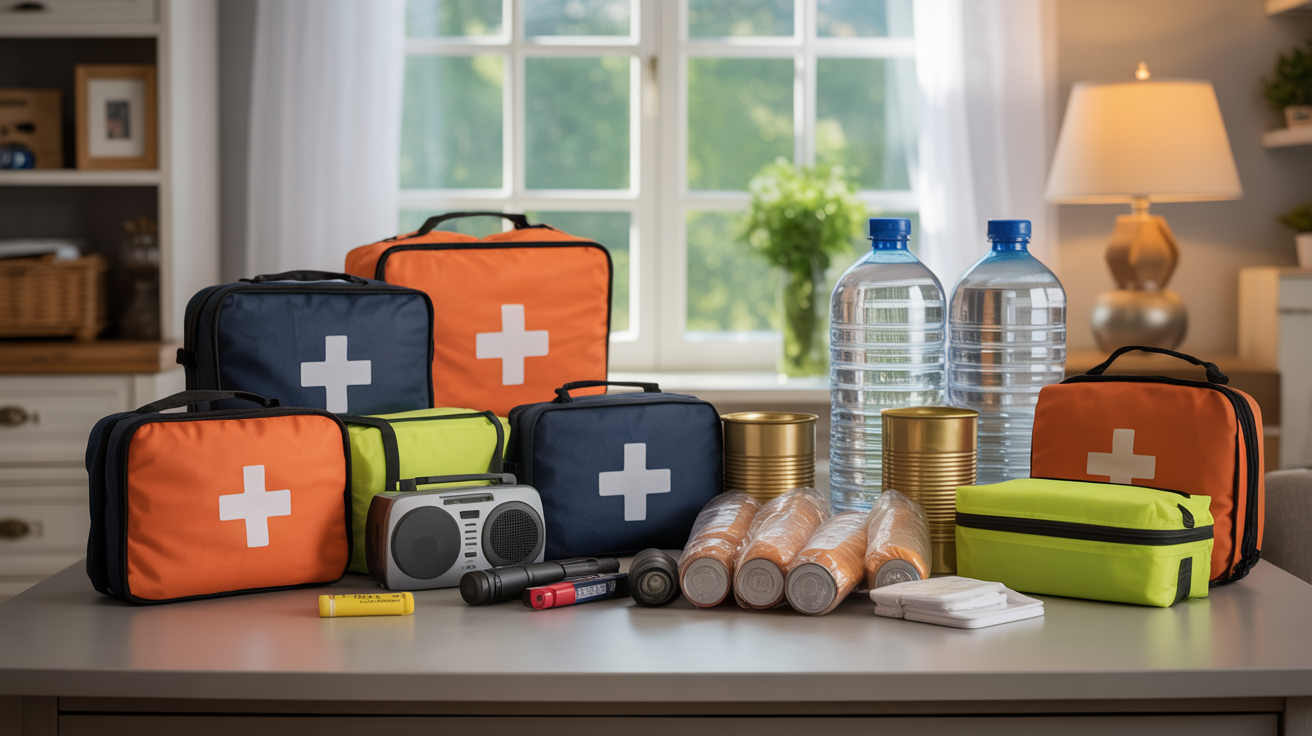
Inventory items for a crisis while constructing an emergency supply kit. These should at a minimum comprise water, non-perishable food, flashlights, batteries, and a first-aid kit. Packing your belongings, such as medications, documents, and clothing, can better secure them. If you check and update the supplies regularly, they will remain fresh and functional.
Communication Strategies
Stay in touch with your family during a crisis. Have an emergency phone list so that people can find each other if separated. Designating an out-of-town contact makes it easy to have a point of reference if local connections fail. By spreading the word to friends and neighbors about your plans, you create a network of mutual aid in case you need to ask for assistance.
Protecting Important Documents
Safeguarding vital documents reduces stress if disaster strikes. Storing birth certificates, insurance papers, and medical records in a waterproof container keeps them safe. Digital copies provide an extra layer of protection. Access to important records speeds up recovery after an emergency passes.
Securing the Home
There are so many simple things that can make a property strong enough to resist any natural hazard. For example, smoke detectors, reinforced doors, and anchored heavy furniture reduce injury risks. Being able to check utilities and turn them off can further damage the property on your own time. Regular inspections keep families from having all the problems they face before the problem becomes worse.
Preparing for Pets
Pets also need protection during disasters. Having food, water, and medical supplies ready keeps animals safe and comfortable. Identifying pet-friendly shelters or hotels in advance prevents delays during evacuation. Ensuring pets wear identification tags helps reunite families if animals become lost.
Staying Informed
In emergencies, information is a guiding light for families. Paying attention to local news or weather reports can provide some essential information. Make sure you register for emergency alerts from authorities, so that you can receive a warning as soon as possible. Keeping up to date allows households to manage risk and avoid unnecessary risks.
Practicing and Reviewing Plans
Practice makes you confident and ready. When family members practice drills, they can recall their specific roles and routines. Find areas for improvement by reviewing plans after each drill. Regular updates to procedures help in keeping preparations up-to-date and efficient.
Supporting Each Other
When times get tough, moral support is as valuable as physical security. Encouraging family members to talk about their fears and concerns can provide a buffer against stress. When everyone talks, they know what’s going on. Caring for one another builds trust and resilience.
Connecting with the Community
Connecting with neighbors will help forge a sense of solidarity when disaster strikes. Making plans with households in the neighborhood can increase your pool of resources and support. You can receive community meetings and safety groups often give very useful information and help. Teamwork is also about creating safety and preparedness in numbers.
Conclusion
Being prepared gives families peace of mind and a feeling of control. With a little preparation, households can be firm-footed and self-assured when a disaster hits. With careful planning, regular practice, and firm support, the people you love most will be safe and prepared for any emergency. Every step you take today is a safeguard for tomorrow.
