

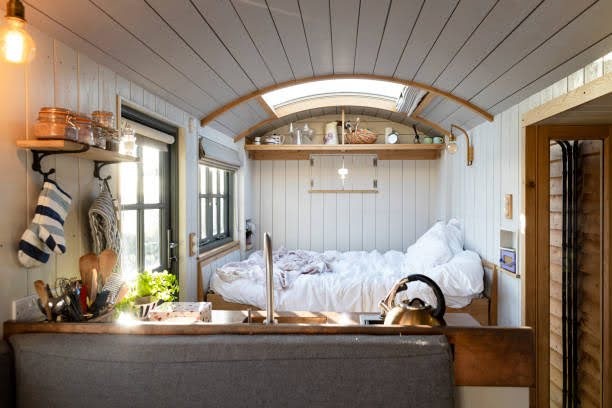
Finding an affordable place to live is becoming increasingly difficult across the country. As a result, many renters are thinking outside the box when it comes to traditional housing for options that are more affordable in the long run. From tiny homes to co-living spaces and converted vans, the internet is full of creative ideas for renters trying to bypass conventional homes and save money. Want to find out how these alternative options actually reduce your living expenses? Continue reading below so tenants can evaluate lower cost alternative housing options to see if they will align with their current budget.
What Do Alternative Housing Options Mean?
Alternative housing refers to a category of residential structures that are built or designed outside the mainstream norm of traditional single-family houses, townhomes, and apartment complexes. In other words, it refers to any living arrangement outside the typical apartment rental. One of the most common examples is tiny homes, which are small, efficient houses that are built to minimize space and cost. Another option you may be familiar with is co-living spaces, where renters split rent and utilities in a shared apartment. Other examples include converted vehicles, such as an RV or bus, into a mobile home or a shipping container home. Besides being more affordable than conventional structures, these homes also allow you to live more sustainably or improve your mobility, making them appealing for different lifestyles.
How Alternative Housing Choices Reduce Expenses for Tenants?

Lower Rent and Utility Costs
Spend considerably less on your monthly rent by opting for alternative housing. One of the primary reasons tenants look for options outside the conventional is to cut costs, and because these options come with smaller spaces or shared arrangements, they’re often noticeably cheaper. Besides the upfront cost of rent, tiny homes and modular units also cut your utility expenses. Their setups are simply designed to use less electricity, gas, and water, helping you save money on those bills, which means that if you’re looking to live comfortably on a budget without compromising essential needs, then alternative housing options may be your best bet.
Reduced Need for Maintenance
Another way alternative housing can help you save money is through reduced maintenance. After all, most alternative homes are smaller or newly built using durable materials, so they require less upkeep compared to traditional houses. For example, modular homes are factory-made to meet high-quality standards, reducing repair frequency. You can save money by avoiding major maintenance costs and time-consuming repairs. There’s also the fact that with tiny or convertible homes, there’s simply less space to clean. In other words, you spend significantly less money on buying cleaning supplies.
Choosing an All-Inclusive Rental
Some co-living and alternative housing arrangements include utilities, internet, and basic furnishings in the rent. This all-in-one payment model simplifies budgeting and prevents surprise bills. By paying a single fixed amount each month, tenants gain financial stability and predictable expenses, which is helpful for students and young professionals. Medium term rentals have also started to emerge in today’s market, which can be a great option if renters only need the property for a certain time. These arrangements give you the freedom to remain mobile while simultaneously eliminating the financial stress of fluctuating monthly bills and utility deposit fees. As a result, in the long run, it makes your budgeting simpler and more predictable.
Shared Living and Resource Costs
Many alternative housing setups, such as co-living spaces or shared homes, allow tenants to split expenses, including rent, internet, and utilities. For example, why splurge on major kitchen appliances or furniture when you can share the cost with one or even two other people? This shared-cost model significantly reduces individual financial burdens while offering access to better amenities. Besides furnishing, you also have people you can split repair bills with, which makes long-term maintenance cheaper as well.
Energy-Efficient and Sustainable Designs
Live a more sustainable lifestyle when you opt for alternative housing. For instance, most tiny homes and modular housing tend to be newer structures that incorporate energy-saving materials such as solar panels and efficient insulation. These features lower electricity and water bills over time, helping tenants save more each month. As a result, residents in these homes spend less on utilities like electricity in comparison to their counterparts in traditional homes. This makes it ideal for people who enjoy a more minimalist lifestyle.
Conclusion
Alternative housing options give tenants new ways to stay ahead of rising living costs. From tiny homes to modular units and co-living spaces, these options give tenants the benefit of spending less on rent. On top of that, they also mean more cost-saving through lower utilities and reduced or shared maintenance expenses. Shared living arrangements also help cut individual costs, while sustainable designs keep monthly expenses manageable. For renters looking to save money without compromising comfort or quality of life, exploring alternative housing options can be a smart and practical step toward financial stability.
