

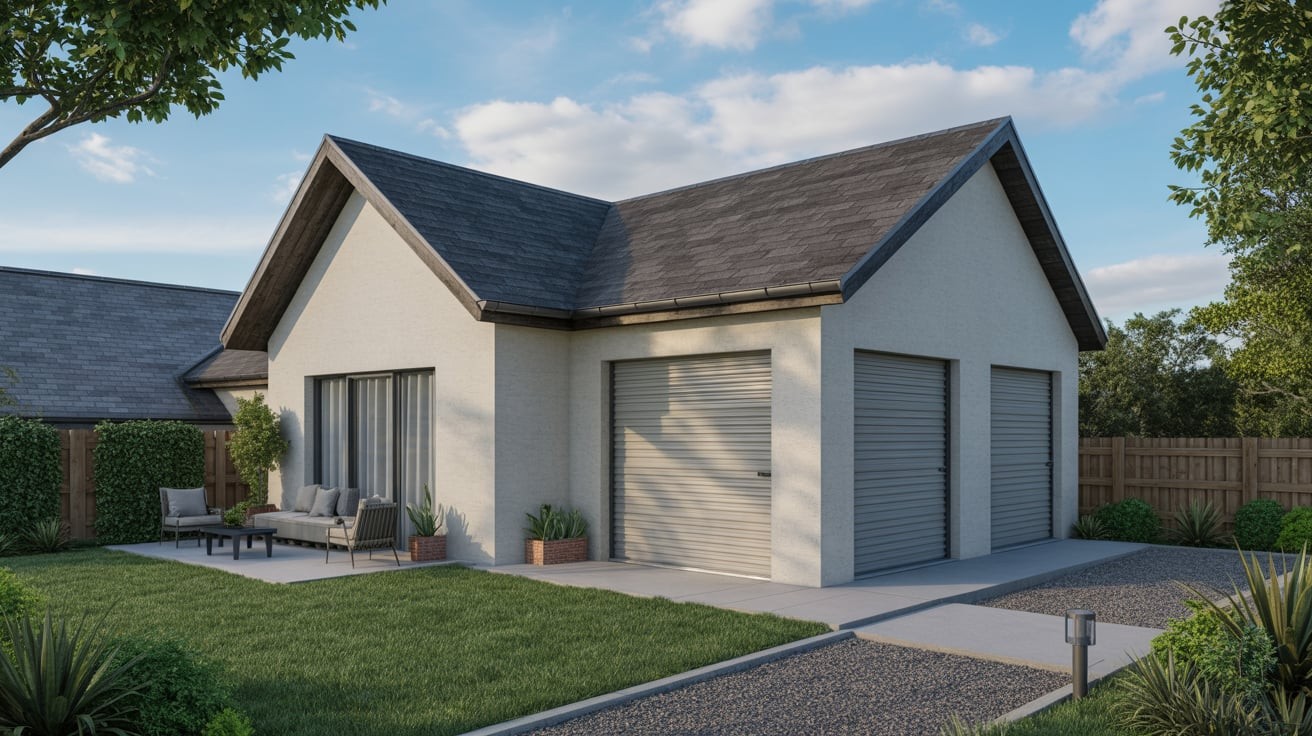
Owning a home often means slowly accumulating more than just memories. Seasonal gear, gardening tools, outdoor furniture, renovation materials, and hobby equipment tend to build up over time, especially for homeowners with yards or shared outdoor spaces. While this overflow is standard, how it’s managed can make a meaningful difference in how functional, safe, and organized a property feels.
For many homeowners, the challenge isn’t just where to put extra belongings, it’s how to protect them, access them easily, and keep outdoor areas usable year-round. The most innovative solutions often involve a combination of on-property protection and off-site storage, tailored to the layout of the home and the realities of the surrounding environment.
Why Outdoor Storage Creates Unique Challenges
Storing items outdoors or in semi-exposed areas introduces risks that indoor closets and garages don’t face. Weather exposure, wildlife interference, and security concerns can quickly turn convenience into frustration. Items left in yards, side lots, or open carports are often more vulnerable than homeowners anticipate.
Even durable equipment like lawn mowers or patio furniture can degrade faster when left unprotected. Moisture, heat, and pests all contribute to wear and tear, shortening the lifespan of items that are expensive to replace. This is why outdoor storage decisions need to balance accessibility with protection.
Protecting Yards, Equipment, and Outdoor Belongings
For properties with open yards or garden spaces, physical protection is often the first line of defense. Homeowners storing tools, planters, or seasonal items outdoors frequently discover that wildlife damage becomes an unexpected issue. Deer, rodents, and other animals can disturb stored equipment or damage surrounding landscaping.
In these situations, securing open yards and stored equipment can help create a clear boundary between protected areas and the rest of the property. Fencing designed for durability and height can prevent repeated disruptions while still blending into residential settings. When outdoor storage is inevitable, containment and protection become just as important as organization.
When On-Property Space Simply Isn’t Enough
Not every homeowner has the option to expand storage on-site. Urban and suburban properties often face space limitations, zoning restrictions, or shared boundaries that make sheds, expansions, or permanent structures impractical. In these cases, trying to force everything onto the property can reduce usable living space and increase clutter.
Recognizing when on-property storage has reached its limit is an important step. Items that you rarely use, such as holiday décor, archived belongings, or seasonal sports equipment, may not need to be kept close at hand. Moving them off-site can restore balance to the home without sacrificing access when needed.
How Off-Site Storage Supports Smarter Space Planning
Off-site storage has become a strategic option for homeowners who want flexibility without committing to permanent changes. Rather than treating storage units as a last resort, many homeowners now use them as part of a broader space management plan.
Access to reliable storage options in major metro areas allows homeowners to rotate belongings seasonally, store renovation materials temporarily, or safeguard items during life transitions. This approach keeps living and outdoor spaces functional while still preserving access to essential possessions.
Urban vs. Suburban Storage Considerations
Storage needs can vary significantly depending on where a property is located. Urban homeowners often contend with smaller lots, shared outdoor spaces, and stricter building regulations. In these environments, off-site storage is frequently essential, not optional.
Suburban homeowners, on the other hand, may have larger yards but face different challenges. Wildlife activity, exposure to weather, and longer-term accumulation of equipment are everyday occurrences. Combining outdoor protection with selective off-site storage often creates the most efficient solution, allowing homeowners to use their available space without overcrowding it.
Seasonal Storage Planning for Homeowners
One of the most effective ways to reduce property overflow is to plan storage around the seasons. Items used only part of the year, such as snow gear, pool accessories, or gardening supplies, don’t need to occupy prime space year-round.
By rotating these belongings between protected outdoor areas and off-site storage, homeowners can keep frequently used items accessible while minimizing clutter. Seasonal planning also makes it easier to inspect, clean, and maintain belongings before they’re stored again, extending their lifespan.
Balancing Accessibility, Security, and Convenience
Every storage decision involves trade-offs. Items kept close to home are easier to access but may require more protection. Items stored off-site are secure and out of the way, but require planning to retrieve. The key is understanding how to protect items based on how often you use them.
Frequently accessed tools may benefit from secured outdoor storage, while rarely used belongings are better suited for off-site units. This balance allows homeowners to maintain order without compromising convenience or safety.
How Storage Choices Affect Property Value and Usability
Cluttered yards and overcrowded garages can negatively affect how a property functions—and how it’s perceived. Thoughtful storage solutions help maintain clean sightlines, usable outdoor areas, and flexible living spaces. Over time, this can contribute to better property upkeep and even resale appeal.
Well-managed storage also reduces stress. Knowing where items are stored and that they’re protected allows homeowners to focus on enjoying their property rather than constantly reorganizing it. Storage, when handled strategically, becomes a support system rather than a source of frustration.
Creating a Long-Term Storage Strategy
The most effective approach to property overflow isn’t a single solution, but a combination of tools and planning. Outdoor protection, selective off-site storage, and seasonal organization all play a role in keeping a property functional.
By evaluating what needs to stay close, what needs protection, and what can be stored elsewhere, homeowners can create a system that adapts as their needs change. Storage decisions made with intention tend to save time, money, and effort in the long run.
Final Thoughts
Property overflow is an everyday reality for homeowners, but it doesn’t have to lead to clutter or compromised outdoor spaces. With the right mix of protection and storage, it’s possible to keep belongings safe while preserving the usability of the home.
Whether that means securing outdoor areas, shifting seldom-used items off-site, or planning storage around the seasons, innovative solutions allow homeowners to regain control of their space. A thoughtful storage strategy turns excess belongings into a manageable part of everyday living rather than an ongoing challenge.
