

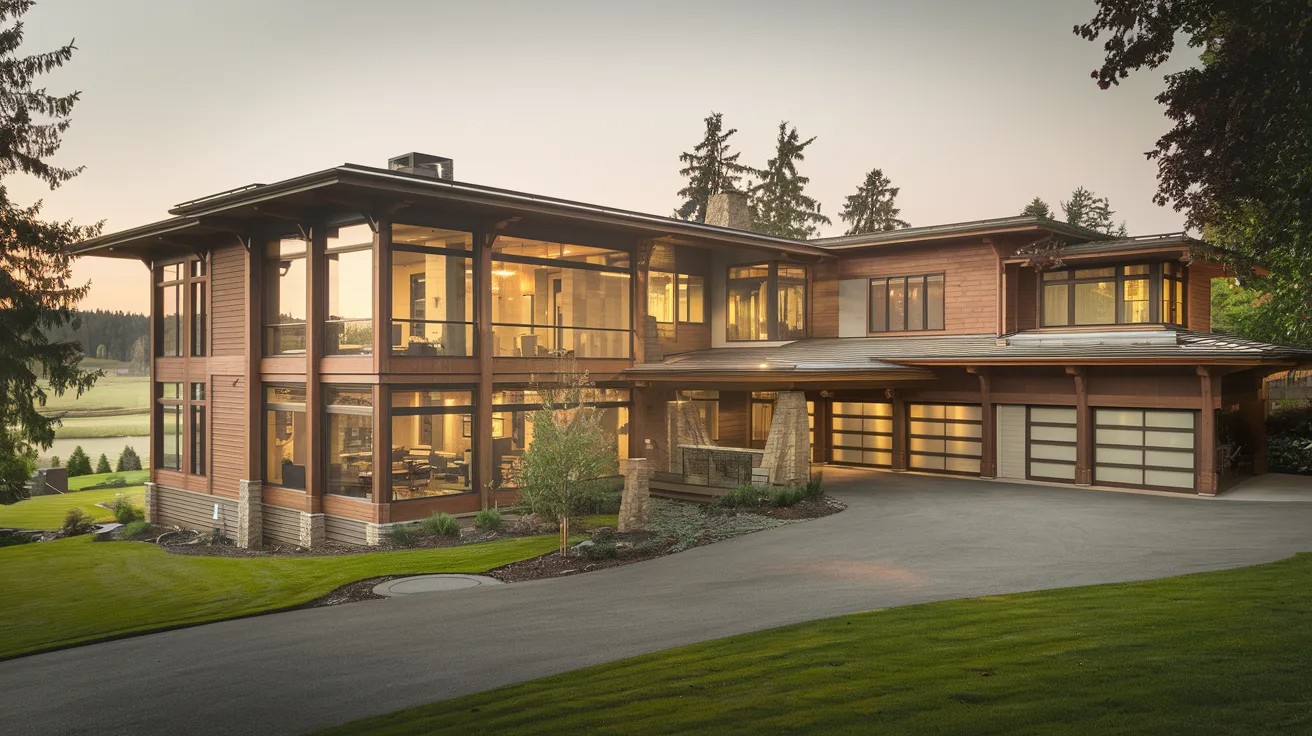
Luxury homes in Bellevue can impress with sparkling views, custom architecture, and high-end finishes. Yet even the most remarkable property must justify its price. A Bellevue luxury home is worth the asking price only if its location, features, and long-term value align with current market data and comparable sales.
Buyers must look beyond the listing photos to understand what truly drives value in Bellevue’s top-tier neighborhoods. Prices near or above two million dollars often reflect a mix of design quality, land value, and proximity to places such as downtown amenities or Lake Washington. Therefore, the right evaluation involves comparing these details to similar properties, current demand, and pricing trends in the area.
This guide explains how to analyze the main factors that influence price, interpret market shifts, and use effective strategies to determine real worth before committing to any luxury purchase.
Core Factors for Evaluating Bellevue Luxury Home Pricing
Luxury home pricing in Bellevue depends on data, not guesswork. Buyers and sellers should measure property value against local market behavior, nearby neighborhoods, and the specific features that separate a fine home from a truly high-end one.
Assessing Bellevue Luxury Home Value Versus Market Trends
Buyers often start by comparing asking prices against current Eastside data, which reflect recent movements in sale prices, mortgage rates, and inventory. In mid‑2025, homes near the top 10 percent of Bellevue’s market ranged around $1.8–$2.0 million, setting a practical marker for entry-level luxury. Understanding this benchmark helps reveal if a listing sits above or below the real demand level.
Rate shifts also affect buying power. A small drop from 6.9% to 6.3% on a $1.6 million loan saves about $600 each month. Those savings can change which homes stay within reach. Working with a Seattle real estate agency that tracks these figures helps identify listings priced fairly within current loan conditions.
Properties that hover longer on the market or show repeated reductions signal that the price may exceed the true market value. Reviewing days on market and recent comparable sales gives a clear picture of alignment between price and demand.
Neighborhood Comparisons and Micro-Market Dynamics
Bellevue’s luxury pricing differs sharply between neighborhoods such as Clyde Hill, Enatai, and West Bellevue. A lakefront estate near Medina often commands a higher price per square foot than a home inland, even with a similar size and finish. Assessing value means studying each micro‑market’s sales pace, inventory, and absorption rate.
Listing data by price band—$1.5–2M, $2–5M, and $5M plus—helps evaluate buyer competition. For example, if listings rise faster than pending sales, sellers may need to adjust expectations. Buyers gain leverage in those cycles, especially in non‑waterfront segments where supply expanded through 2025.
It also helps to consider school zones, commute access, and views. These details strongly shape long‑term resale potential and often explain why homes just blocks apart show wide pricing gaps.
Quality, Amenities, and Unique Features Analysis
Evaluating value extends beyond size or location. Construction quality, layout flow, and finish consistency often decide whether a home’s asking price holds up during appraisal. High-end kitchens, clean architectural design, and professionally landscaped grounds contribute measurable worth, while outdated finishes or poor layout limit returns.
Amenities such as waterfront access, smart‑home systems, or outdoor living areas also carry weight. Buyers should review which upgrades align with current lifestyle demand in the Eastside market.
A detailed property walk‑through with a knowledgeable local agent helps distinguish true luxury from cosmetic appeal. Factors like ceiling height, energy efficiency, and noise exposure frequently make a difference of hundreds of thousands of dollars in Bellevue’s upper-tier listings.
Buyer Strategies and Market Insights
Bellevue homebuyers face a fast-moving housing market where competition, pricing trends, and financing all influence the value of luxury properties. Careful analysis of inventory levels, loan conditions, and professional guidance helps buyers measure whether a property’s asking price reflects its true worth.
Leveraging Inventory and Competition Conditions
The Bellevue real estate market often favors sellers due to low inventory and strong demand. Homes can receive multiple offers and sell above list price within days. Buyers who track new listings and average time on the market gain an advantage.
A luxury home’s worth often depends on how many similar properties are available. Sparse inventory in areas such as Clyde Hill or Medina can justify higher prices. In contrast, an increase in listings might signal opportunities for negotiation.
It helps to compare the median sale price to last year’s figures and note whether homes regularly close above asking. A steady rise in Bellevue home prices suggests lasting demand, while slower activity may indicate a shift toward a more balanced market.
Financing Implications and Mortgage Rate Impact
Mortgage rates strongly influence what buyers can afford in Bellevue’s luxury segment. A slight rate jump can raise monthly payments by thousands of dollars. Therefore, buyers should review rate trends in both the Bellevue and Seattle housing markets to understand overall affordability.
In 2025, buyers often weighed fixed-rate loans against adjustable options due to market volatility. Shorter loan terms may reduce interest but require higher upfront payments. Evaluating long-term plans before committing to a rate structure helps protect against financial strain later.
Successful buyers also coordinate with financial advisors early to confirm pre-approval limits and cash reserve needs. Strong financing preparation allows them to act quickly once a desirable property appears, a key advantage in a competitive setting.
Securing Expert Representation and Due Diligence
Luxury real estate transactions in Bellevue frequently include complex details like off-market listings or custom home features. Buyers benefit from agents who understand these nuances and have access to hidden opportunities.
Expert representation supports accurate property comparisons, objective valuation, and well-timed offers. Experienced agents also assist with inspections and verification of construction quality, especially for newer luxury builds.
Due diligence should cover title research, neighborhood assessments, and potential resale value. This detailed approach guards against hidden costs and helps buyers confirm whether the property’s price truly reflects its quality and potential return.
Conclusion
Evaluating a luxury home in Bellevue requires a clear look at both numbers and lifestyle factors. Buyers need to balance tangible details such as price per square foot, construction quality, and location with less tangible elements like privacy, amenities, and long-term appeal.
Market data shows that luxury properties in Bellevue often reflect the city’s competitive demand and limited inventory. Therefore, careful research of comparable listings and recent sales helps identify fair pricing.
A home’s worth depends on how well it meets the buyer’s expectations while maintaining potential for future value. By combining market insight with practical analysis, buyers can move forward with confidence and make decisions rooted in both logic and personal fit.
