

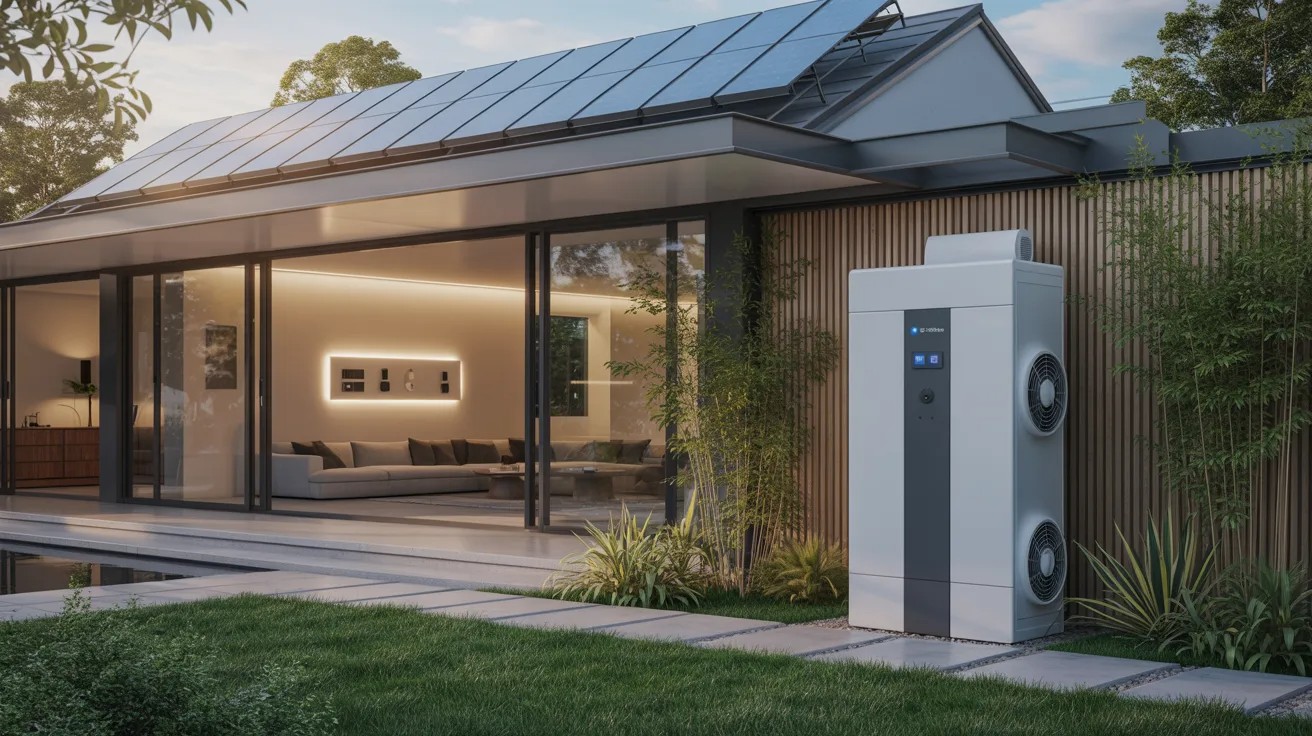
More homeowners are prioritizing sustainability, seeking practical ways to reduce energy use and maintain home efficiency. Water heating, which accounts for a significant portion of household energy consumption, is an ideal area for improvement. While traditional water heaters typically consume large amounts of electricity or gas, new eco-friendly alternatives are rapidly gaining popularity. These innovative systems not only reduce environmental impact but also deliver substantial cost savings and increased comfort. If you live in Arizona and are looking for repair or upgrades, consider expert water heater repair in Tucson, AZ to ensure the best performance from your water heating system.
When considering eco-friendly water heating, understand each approach’s strengths and limits to help homeowners make informed, sustainable, and lifestyle-friendly choices. Cleaner tech ensures reliable hot water, lowers energy costs, and cuts environmental impact. Sustainable solutions support climate efforts, resource conservation, and emission reduction, suitable for various homes. Households should compare options, focusing on infrastructure compatibility and smart control integration for increased efficiency.
Solar Water Heaters
Solar water heaters use energy from the sun to meet household hot water needs, making it one of the cleanest and most accessible renewable energy sources. These systems usually include solar collectors, often mounted on the roof, and are connected to insulated storage tanks. While installation costs may be higher than those of conventional setups, the savings over time are substantial. Many regions also offer incentives, tax credits, or rebates to offset initial investments.
Durability and a long operational lifespan make solar water heaters particularly appealing in sunny climates. According to the U.S. Department of Energy, solar water heating is a proven method for reducing household reliance on fossil fuels and significantly cutting utility bills.
Heat Pump Water Heaters
Heat pump water heaters, also called hybrid water heaters, extract heat from the surrounding air or ground and use electricity to move it rather than generate it directly. This technology can produce the same amount of hot water using much less energy than a standard electric water heater, reducing energy consumption by up to 60%.
These systems are best suited for homes in regions with moderate or warm climates where the heat pump can operate efficiently year-round. Studies have shown that integrating smart controls, such as model predictive control, further boosts efficiency and usability for families with varying schedules.
Tankless Water Heaters
Tankless, or on-demand, water heaters instantly heat water as needed, negating the energy losses associated with storing hot water. These compact systems are popular in homes where space-saving is important and hot water use is moderate. Tankless systems ensure a continuous supply of hot water for showers, dishwashing, or laundry, but may be limited when multiple outlets demand hot water at once.
Compared to traditional storage tank water heaters, tankless water heaters generally last longer and are easier to service. Utility studies show that households with lower daily hot water demand achieve the greatest cost and energy savings.
Biomass Water Heaters
Biomass water heaters burn organic fuels, such as wood pellets or agricultural byproducts, to create heat for water. This process is renewable and can be carbon-neutral if managed sustainably. Biomass systems are suitable in areas with access to inexpensive local fuel sources and can significantly reduce dependence on natural gas or electricity.
While running costs are generally lower, there are important considerations: users must store and manage fuel and ensure the system is properly maintained to minimize emissions. For rural homeowners or those looking for a way to use agricultural waste, biomass offers a unique and sustainable alternative.
Water Heat Recycling Systems
Water heat recycling, or drain-water heat recovery, captures heat from wastewater to preheat incoming cold water, reducing the load on water heaters. It’s especially effective for large families or high-water-use buildings and can be applied to new or existing homes. For more, see EPA WaterSense, which promotes water and energy efficiency strategies.
Integrating Smart Technology
Smart controls are transforming water heating troubleshooting, scheduling, and usage monitoring. Many modern systems feature internet-connected thermostats, automated routines, and detailed usage reports, helping homeowners control temperature settings and identify peak use times. These devices allow remote adjustments via smartphone and can track energy consumption for greater efficiency and budgeting.
This integration is especially valuable for vacation homes or busy families seeking to optimize energy use without constant attention. Some products can even coordinate with larger home automation systems, responding to solar production or changing utility rates.
Considerations for Choosing the Right System
Homeowners should consider household size, climate, water habits, energy sources, and cost when choosing eco-friendly water heaters. Sun-rich areas benefit from solar units; mild regions may save more with heat pumps. Compatibility, maintenance, and rebates are also important. Consulting plumbing or HVAC professionals ensures tailored, safe, and efficient installation.
Conclusion
Switching to an eco-friendly water-heating system reduces a household’s overall environmental footprint while offering long-term financial benefits and improved comfort. Whether embracing solar, heat pump, tankless, biomass, or heat recovery technologies, today’s homeowners have more options than ever to achieve sustainability goals. Integrating smart controls and professional advice further amplifies these benefits, making energy efficiency a practical and achievable reality in any modern home.
