
Working from home has become a standard part of many people’s routines. Most Americans have worked from home at some point in their lives.
Census.gov reports that around 13.8% of U.S. employees typically worked from home in 2023. This is more than twice the 5.7% of the population doing so in 2019. Remote work peaked at 17.9% in 2021 and decreased to 15.2% in 2022.
Many Americans have created a home workspace to adapt to this new normal. However, daily routines rarely stay the same for long. Some mornings begin with focused work sessions, while afternoons might shift toward creative tasks, virtual meetings, or household responsibilities.
A rigid home workspace can quickly feel out of sync with these natural changes. Designing a flexible setup helps your environment move with your schedule rather than working against it. A workspace that adapts well can support productivity, comfort, and mental clarity throughout the day.
Understanding How Your Day Actually Flows
Before changing furniture or rearranging a room, it helps to take a closer look at how your day unfolds. Some people start with deep-focus tasks in the morning, shift to collaboration or calls by midday, and wind down with lighter work in the evening. Others juggle professional work alongside caregiving, studying, or creative projects.
Paying attention to these patterns reveals what your workspace truly needs. A desk positioned near natural light may work well for early productivity, while a quieter corner might serve better for afternoon calls. This awareness allows you to shape a space that feels responsive instead of restrictive.
You may also need to adjust based on your to-do list. While you prefer deep-focus tasks in the morning, your manager might have scheduled a team call during that time. It could be to share a brief about a new project or discuss any productivity issues at hand. Regardless of what it is for, this would disrupt your plans, and you may have to adjust.
Blending Home and Work Beyond Your Walls
Even the most adaptable home workspace benefits from an occasional change of setting. Some days call for a different atmosphere, especially when concentration dips or creativity stalls. Nearby cafés, shared spaces, or short-term office options can offer a refreshing shift.
New York City (NYC), for example, is home to one of the biggest working populations across the US. Private sector jobs in the city rose by 33,400 in December 2025. This brought the total working population in the private sector alone to 4,332,300.
As someone staying in NYC, working for a company, or owning a remote business, you can look for nearby cafes. If you want to host a face-to-face meeting with fellow employees or clients, you can choose a day office in NYC for a change of setting.
According to The Farm Soho, you can book fully-equipped spaces, which are ideal for off-site meetings and collaborations. Moreover, you can easily find flexible options with multiple-day bookings without committing to a full-time location.
Creating Zones Without Building Walls
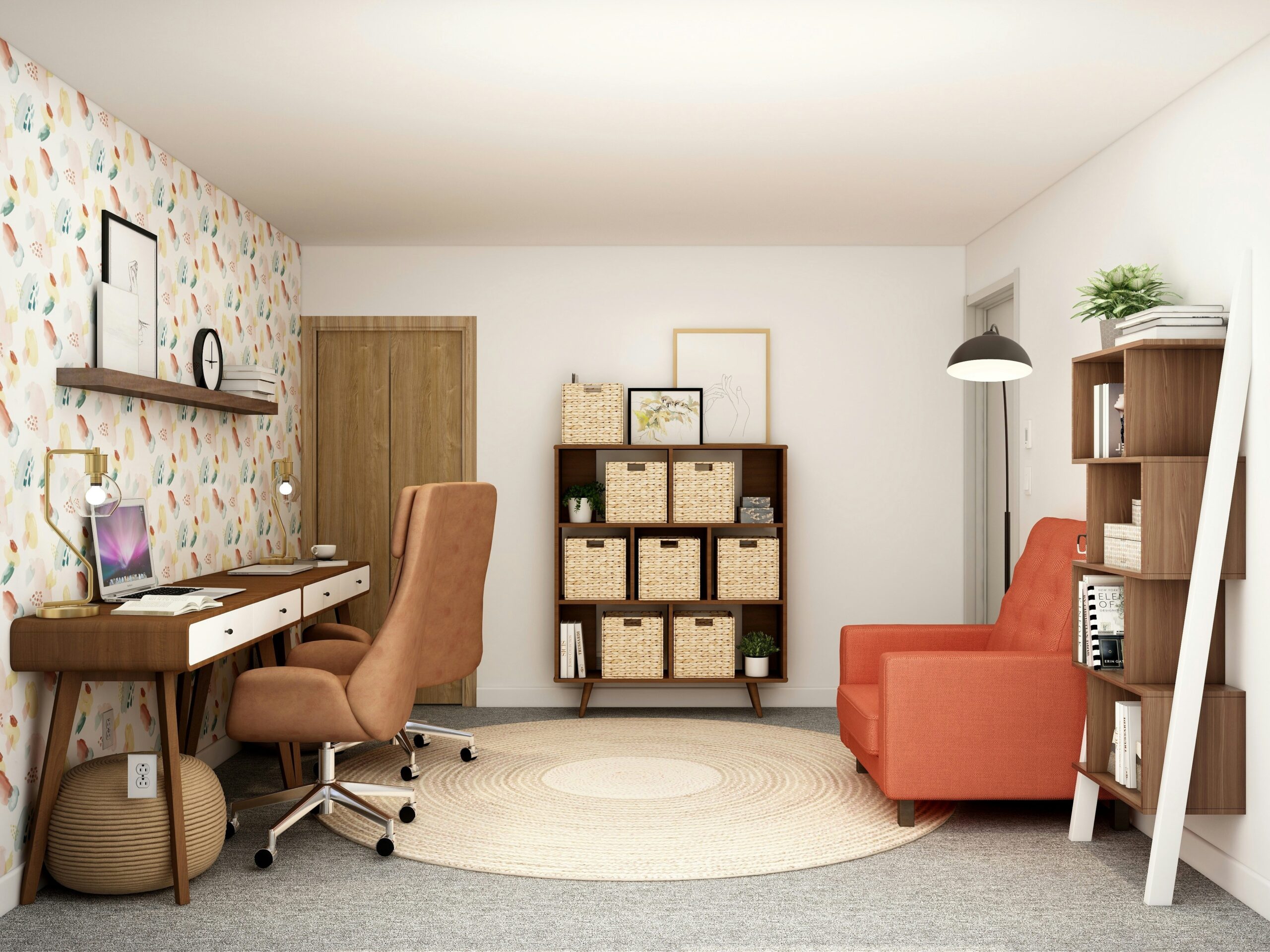
Flexibility often comes from defining areas by purpose rather than by physical barriers. A single room can support multiple roles when each section has a clear function. A work surface can anchor the professional side of the day, while a comfortable chair near a window might become a reading or planning spot later on.
Soft dividers such as shelving units, curtains, or even changes in lighting can signal a shift in activity without closing the space off. These subtle boundaries make it easier to move from focused work to relaxation while keeping the room feeling open and connected.
There are many creative ways to create divides in a room without building walls. For instance, you can use a drapery or install a dry bar. Similarly, you can add a see-through bookcase, utilize a staircase, or add some glasses. You can also go with glass pocket doors or put up an oversized headboard.
Using Lighting to Support Different Moods and Tasks
Bright, cool-toned light works well for tasks that demand focus and precision, while warmer light creates a more relaxed atmosphere for planning or winding down. Natural light, when available, helps regulate energy levels and makes the room feel more open and connected to the outside.
You can choose from task lamps, floor lamps, ring lights, grow lights, dimmer lights, sconces, smart bulbs, LED strip lights, and colored lamps, depending on your requirements. Whether you use your home office as a full-time workstation or just to complete a few tasks, there are plenty of lighting options available to suit your needs.
Lighting has a measurable impact on people’s mood and productivity in work environments, even in offices. Well-designed light helps reduce stress, increase energy, and support focus, while poor lighting can contribute to fatigue, frustration, and decreased performance.
Incorporating natural daylight and tailoring the lighting design to specific tasks can improve comfort, alertness, and teamwork.
Frequently Asked Questions
How can a flexible home workspace support better time management?
A flexible workspace can make it easier to structure your day around task types rather than rigid schedules. When your space allows you to quickly shift between focused work, planning, and lighter activities, you spend less time reorganizing and more time staying on track. This can help reduce task overlap and improve overall efficiency.
What role does color play in shaping a productive home workspace?
Color can influence how a space feels and how long you want to stay in it. Softer, neutral tones often create a calmer environment for extended work sessions, while small accents of brighter colors can add energy and interest. Thoughtful use of color can subtly shape your mood without overwhelming the room.
What are some ways to keep a flexible workspace feeling organized over time?
Building simple daily habits can help keep clutter from piling up. Putting items back in their designated spots at the end of each work session helps reset the space for the next day. This routine keeps the environment feeling fresh and reduces the mental load of starting work in a messy area.
A flexible home workspace is less about following a specific design trend and more about creating a space that responds to how you live and work. When your environment adapts to your routine, it becomes easier to stay focused, comfortable, and motivated throughout the day.
Small, thoughtful adjustments can turn a single room into a multi-purpose setting that supports productivity, creativity, and rest. With the right balance of structure and adaptability, your workspace can grow alongside your daily habits instead of forcing you to work around its limits.
