

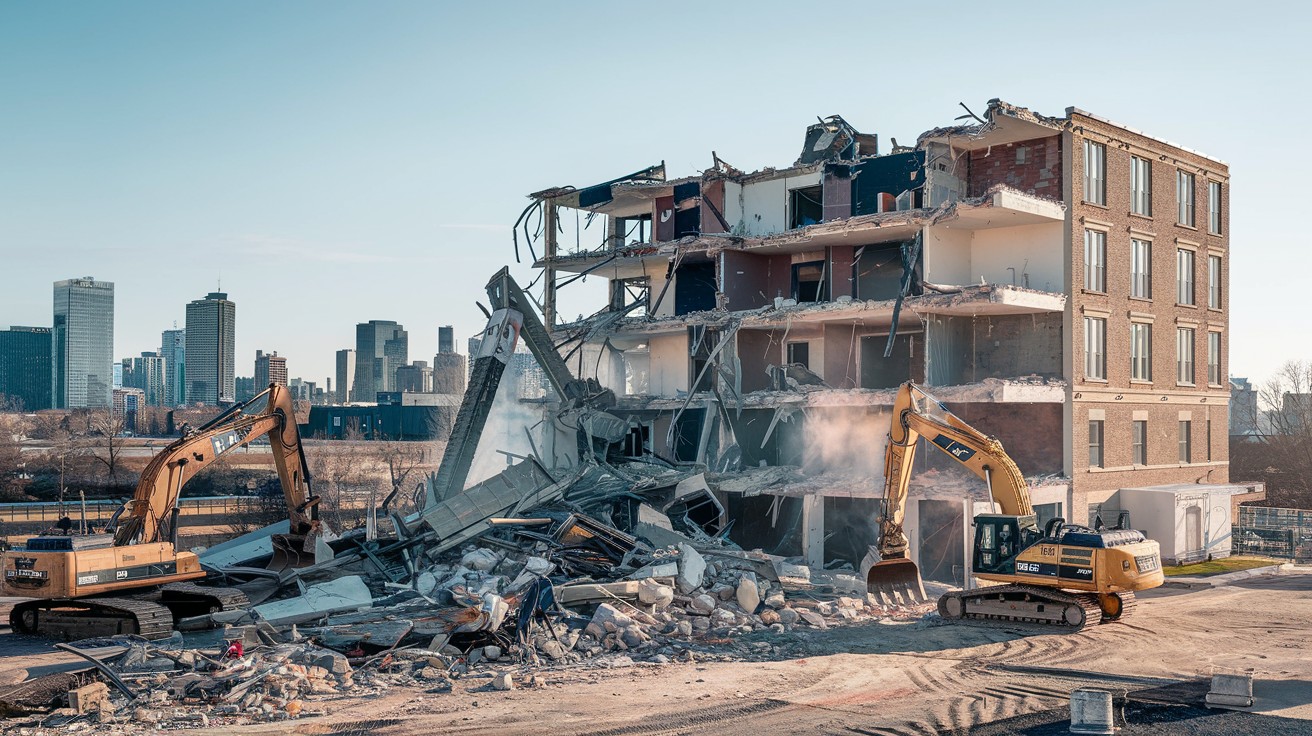
Across Australia, urban housing is changing as older properties give way to new designs that focus on strength, sustainability, and long-term value. What many people do not see is that the most important work happens before any new walls go up. The journey toward a stable and modern home begins with two essential steps. First is a safe and controlled demolition, and second is a carefully planned excavation. These stages shape the future of every building by ensuring the land is prepared correctly and responsibly.
In growing cities, demand for new housing has shifted how homeowners and builders approach these early stages. The quality of demolition and excavation determines how securely a new structure stands and how well it integrates with its surroundings. When done with care, these processes protect communities, reduce environmental impact, and lay the groundwork for homes that last.
Removing the Old with Precision
House demolition is far more than taking down a structure. It requires planning, structural assessment, material handling, and respect for neighbouring properties. Older houses often contain ageing wiring, deteriorated frames, and, in some cases, hazardous materials. These factors make a structured approach essential.
A professional demolition team identifies risks, manages controlled removal, and safeguards people and property throughout the process. This stage opens the way for new construction while also ensuring the site remains clean, stable, and ready for the next phase.
Many homeowners are surprised to learn how much planning goes into taking down a single wall. The process includes isolating utilities, securing the site, and organising recycling or responsible disposal of materials. When demolition is handled with precision, it supports a smoother and safer transition to excavation.
Understanding the Ground Beneath
Once a site is cleared, residential excavation begins. This step focuses on shaping the land and preparing it for the foundations of a new home. Excavation is not just digging. It involves a detailed analysis of soil type, drainage behaviour, load-bearing capacity, and the land’s natural contours.
Responsible excavation ensures that the new structure has the support it needs from the ground up. Contractors create level surfaces, manage unsuitable soil, and shape trenches or footing zones that will guide the construction that follows. When the land is prepared correctly, future issues such as cracking, shifting, or water pooling are significantly reduced.
Excavation teams also study how water travels across the property. Good drainage is essential for preventing erosion and protecting the home’s foundation. Through accurate excavation, stormwater can be safely directed away from structures while maintaining the surrounding environment’s stability.
How These Two Stages Work Together
Demolition and excavation seem like separate tasks, but they function as a single foundation for future construction. Safe demolition removes what no longer serves the property while protecting the surrounding area. Smart excavation shapes the land to support a stronger, more durable build.
Together, they determine the reliability of the entire project. A poorly executed demolition can leave behind unstable ground or hidden hazards that complicate excavation. A rushed excavation can undermine the goals of a well-executed demolition by creating uneven foundation conditions or improper drainage.
When both stages are aligned, construction teams can start building with confidence. The land becomes a secure platform ready to support new structures in all weather conditions.
Sustainability Begins Before Construction
Sustainable building practices begin long before materials arrive on site. Demolition and excavation play a major role in reducing waste, protecting natural elements, and preserving soil health.
During demolition, materials such as timber, metal, and concrete can often be reused or recycled. This reduces landfill waste and supports the circular use of resources. Excavation teams may also reuse clean soil for landscaping, surface grading, or ground support. These choices reduce environmental impact and help maintain the landscape’s balance.
Both stages also influence stormwater quality. Controlled excavation prevents sediment from entering waterways, while responsible demolition ensures contaminants are handled with care. Together, they support healthier ecosystems and safer urban spaces.
Protecting Surrounding Homes and Communities
In populated suburbs, demolition and excavation must be carried out with consideration for neighbouring properties. Vibrations, dust, and noise must be managed thoughtfully. Contractors use water control methods, monitoring systems, and protective barriers to reduce disruptions.
Soil stability is especially important in areas where houses sit close together. Excavation teams analyse boundary conditions and reinforce sections as needed to prevent soil movement that could compromise nearby structures.
By focusing on community protection, these early construction stages show respect for the people who live around the site.
A Better Beginning for Every Build
The success of a new home starts with the quality of the work done underground. Strong foundations rely on stable terrain. Good drainage relies on accurate excavation. Safe construction relies on clean and controlled demolition.
When homeowners understand the importance of these steps, they can make better decisions about who to trust with their project. Responsible planning at the beginning prevents costly repairs, structural issues, and environmental problems in the future.
These stages form the invisible strength of a modern home. Without them, even the most impressive design can struggle.
Responsible Industry Practice
Across Australia, experienced contractors continue to refine their demolition and excavation methods. Many follow structured safety systems, use precise equipment, and prioritise environmental care.
Get It Away is one such company that supports these principles, providing responsible services that align with safe demolition and careful excavation practices.
Final Reflection
Urban housing begins with two crucial steps. Removing what no longer serves the property and preparing the land for what comes next. Demolition clears the way for new ideas and safer designs. Excavation shapes the land to support those ideas with strength and stability.
By focusing on responsibility, safety, and environmental care, these stages lay the groundwork for homes that stand the test of time. Building the future truly starts underground, where thoughtful planning and technical skill create the foundation for everything that follows.
