

I get it. You’re standing in your living room, looking at those bare windows, and you’re stuck. Do you hang curtains or keep things simple?
I’ve been there too. Some days I love how open and bright bare windows look. Other days I miss the cozy feeling curtains bring.
Your choice changes everything. It affects your privacy, your light, even how you feel when you walk into the room.
I’m here to help you figure this out using real designer tips and practical advice. Let’s find what actually works for your home.
Curtains vs. No Curtains: Key Factors to Consider

Let me walk you through the main things you need to think about before making your decision.
1. Privacy Needs
If you live on a busy street or your windows face your neighbor’s house, you need curtains. Ground floor rooms and bedrooms require window coverings. You don’t want strangers seeing into your personal space.
But if your windows face your backyard or you live on a higher floor with no one looking in, bare windows work fine.
2. Light Control and Heat Management
Curtains let you control brightness. You can block harsh afternoon sun or keep your room dark for better sleep. They also help keep your home warmer in winter and cooler in summer.
However, some rooms need all the natural light they can get. North facing windows or darker spaces look better without curtains blocking the sun.
3. Your Interior Style and Room Theme
Modern and minimalist homes often look cleaner with bare windows. The simple look fits the vibe perfectly.
Traditional and rustic homes usually need curtains to feel complete. They add warmth and texture that matches the cozy feeling these styles create.
4. Window Style, Shape, and Architecture
Some windows are too beautiful to cover up. Floor to ceiling windows with great views should stay bare. You paid for that view, so show it off.
Arched windows, bay windows, or windows with special trim work are architectural features. Covering them hides what makes them special. Odd shaped windows often look awkward with curtains anyway.
When You Should Use Curtains

Privacy matters, especially in bedrooms or street facing rooms. You need that barrier between your personal space and the outside world. Harsh sunlight can make rooms uncomfortable, and curtains block intense light while keeping your space cooler.
In winter, they trap heat and lower energy bills. Sometimes a room feels cold or empty. Curtains add softness, warmth, and color that makes spaces more inviting.
Rooms with tile floors, glass tables, and bare walls feel harsh. Curtains absorb noise and add texture. If you want your space to look finished and polished, curtains frame your windows and tie everything together.
When It’s Perfectly OK Not to Use Curtains
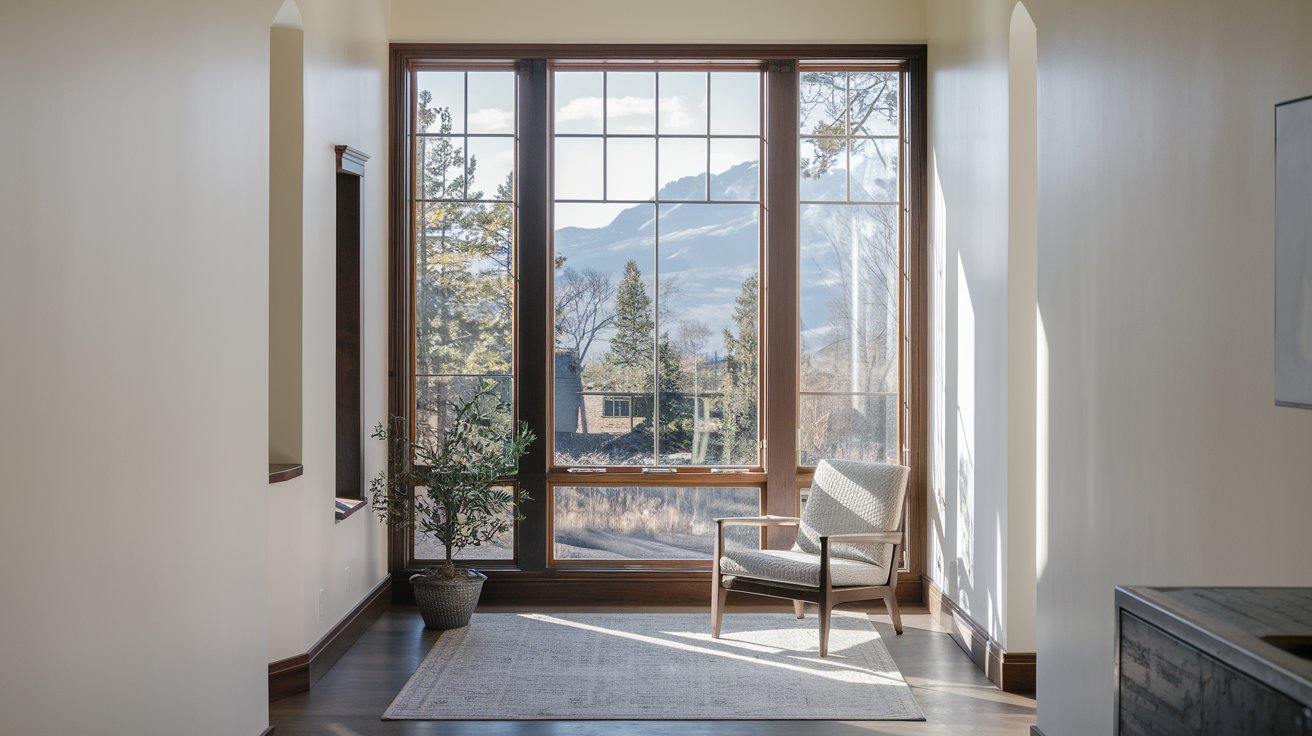
Some views are too good to hide. If your windows look out at the ocean, mountains, or city skyline, keep them bare.
Beautiful window details like dark casings, handcrafted frames, and historical trims deserve to be seen. Small rooms and north-facing spaces need every bit of natural light they can get.
Curtains make them darker and smaller. Modern and minimalist homes look better without curtains. The clean, open feel works best.
Oddly shaped windows, like portholes or angled designs, look awkward when covered. If your room already has lots of color and pattern, bare windows give your eyes a needed break.
Pros and Cons at a Glance
Here’s a quick breakdown of what you gain and lose with each choice to help you decide faster.
Benefits of Using Curtains
- Give you privacy when you need it most
- Control light and temperature, saving money on energy bills
- Add softness, color, and texture to your room
- Reduce outside noise and make spaces feel cozier
- Hide unattractive views or messy outdoor areas
- Can be changed seasonally to refresh your room’s look
Benefits of Going Curtain Free
- Let in maximum natural light
- Make your room feel bigger and more open
- Save money on curtains, rods, and installation costs
- Easier cleaning with fewer things to dust or wash
- Keep architectural details and beautiful views visible
- Create a modern, clean, low maintenance look
Room-by-Room Guide: Curtains or No Curtains?

Different rooms have different needs. Here’s what works best for each space based on function and practical use.
1. Living Room
Your living room needs a balance between light and privacy. If it faces the street, use curtains for evening privacy. But if you have a great view or beautiful windows, keep them bare during the day. Light, sheer curtains work well here.
They give you privacy without blocking natural light. Consider your furniture too. Heavy, traditional pieces look better with curtains. Modern, minimal furniture can handle bare windows.
2. Bedroom
Bedrooms almost always need curtains. You need darkness for good sleep and privacy from neighbors. Blackout curtains work best because they block light and help regulate temperature.
If you love waking up to natural light, use lighter curtains that you can open easily. Ground floor bedrooms absolutely require window coverings. Upper floor bedrooms with no one looking in can use lighter options or skip curtains if privacy isn’t a concern.
3. Kitchen
Kitchens usually look better without heavy curtains. Grease, steam, and cooking smells cling to fabric. Bare windows keep your kitchen feeling clean and bright.
If you need privacy, use simple cafe curtains that cover only the bottom half. Roman shades or blinds work better than fabric curtains in kitchens. They’re easier to clean and don’t collect cooking odors.
4. Bathroom
Bathrooms need privacy, but curtains aren’t always the answer. Moisture and humidity damage fabric and create mold problems. Frosted glass, window film, or waterproof blinds work better.
If your bathroom window is high up or faces a private area, you might not need anything at all. Small bathroom windows often look better bare because curtains make the space feel smaller.
5. Home Office
Your home office decision depends on your screen placement and privacy needs. If sunlight creates glare on your computer screen, you need curtains or blinds you can adjust throughout the day.
Video calls require a professional looking background, so consider how your window appears on camera. Bare windows work fine if they don’t cause glare and you’re not on video calls often. Natural light helps you stay alert and productive, so don’t block it unless necessary.
Expert Tips for Choosing the Right Approach
- Match function with looks. Your curtains should work for your daily needs while fitting your room’s style.
- Think about your daily routine. If you work night shifts or have young children, blackout curtains become necessary for sleep.
- Check the light throughout the day. Morning brightness might turn into harsh afternoon glare, so test different times before deciding.
- Maintain your window frames if going bare. Peeling paint or damaged wood becomes obvious without curtains covering them up.
- Mix and match based on needs. Use curtains in bedrooms for privacy and skip them in kitchens for easy maintenance.
Conclusion
I know this decision feels bigger than it should. But here’s what I’ve learned: there’s no wrong choice, only what works for you. Think about your privacy needs first.
Then consider how much light you want and how your room feels right now. Does it need softness or does it need openness? Your lifestyle matters too.
If you hate laundry, bare windows might be your answer. If you crave cozy spaces, curtains are calling your name.
Walk through each room and trust your gut. You know your home better than any design rule ever will.
Frequently Asked Questions
Can I leave my windows bare if I live on the first floor?
It depends on your privacy comfort level. If your windows face busy streets or nearby homes, you’ll probably want some window covering for privacy and security.
Do curtains really help with energy bills?
Yes, they do. Thick curtains keep heat inside during winter and block hot sun during summer, which reduces your heating and cooling costs noticeably.
What rooms should never have curtains?
Kitchens and bathrooms work better without fabric curtains. Grease, moisture, and humidity damage fabric and create cleaning problems you don’t need.
How do I know if my windows are too beautiful to cover?
If your windows have special architectural details, custom frames, or great views, they deserve to stay visible. Trust your instincts on this one.
Can I use curtains in some rooms and not others?
Absolutely. Each room has different needs. Bedrooms usually need curtains for sleep and privacy, while living rooms or offices might look better bare.
