

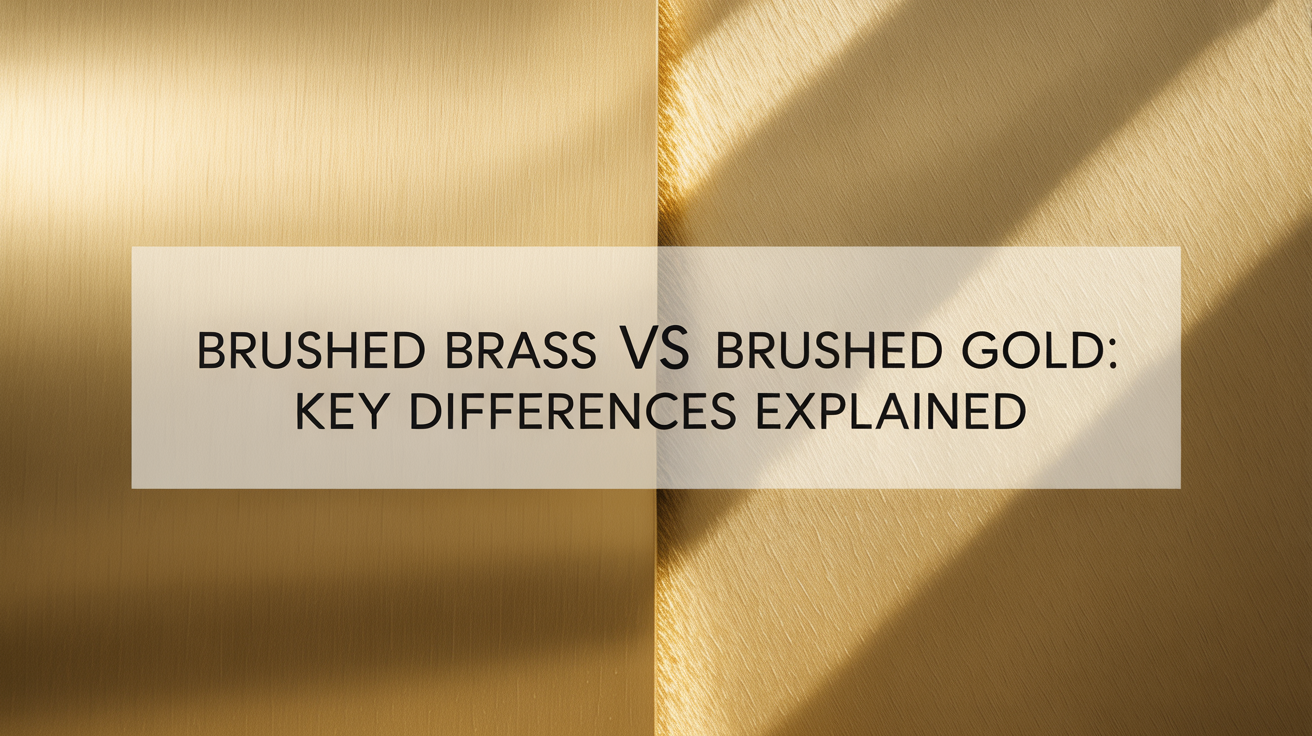
I’ve worked with metal finishes for years, and I understand the confusion around brushed brass vs brushed gold. These two look similar but behave very differently in your home.
This guide covers color, texture, durability, and maintenance for both finishes.
I’ll show you how to pick the right one for your kitchen, bathroom, or living spaces. You’ll learn how each finish ages and which matches your style best.
By the end, you’ll confidently choose the perfect metal for your project without making costly mistakes.
Understanding Metal Finishes in Home Design
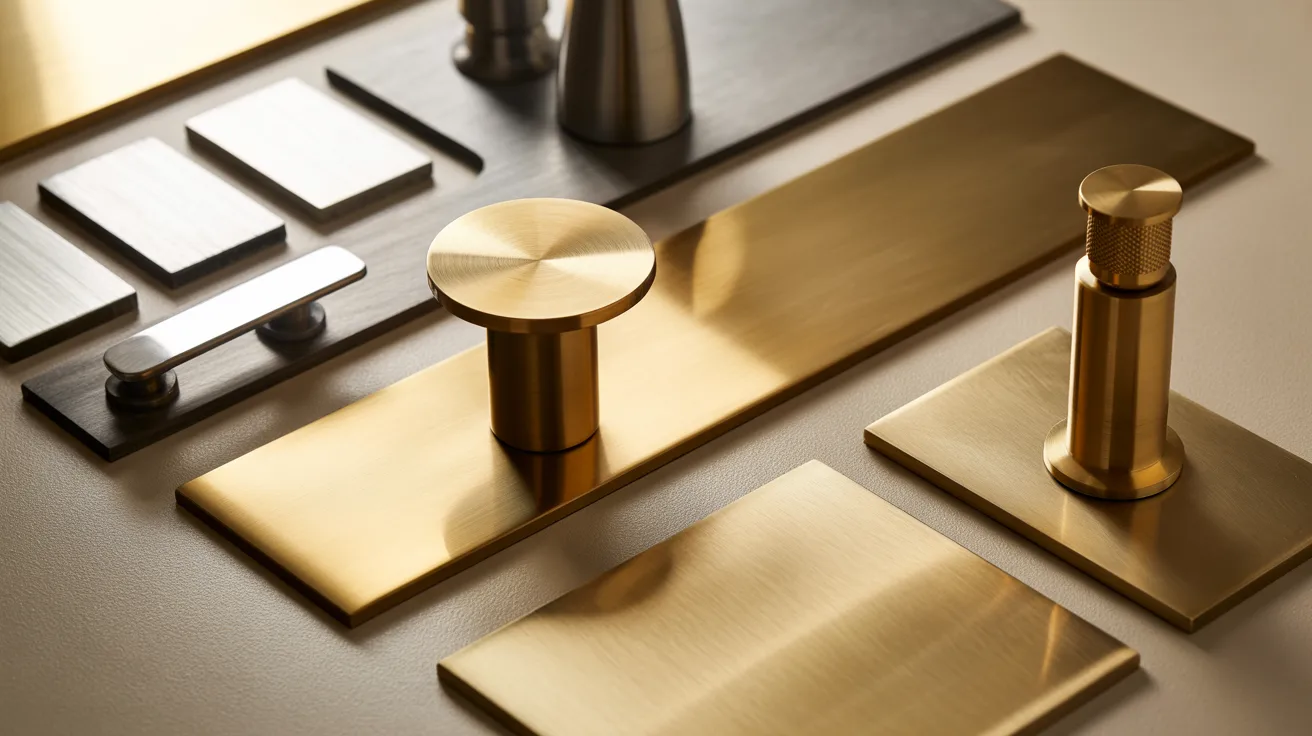
Metal finishes create the mood in any room. They affect how light bounces around your space and how colors work together.
Choosing the right finish means understanding how metals age and what maintenance they need.
Both brushed brass and brushed gold offer unique benefits, but they serve different design goals. Knowing these differences helps you make choices you won’t regret later.
What is Brushed Brass?
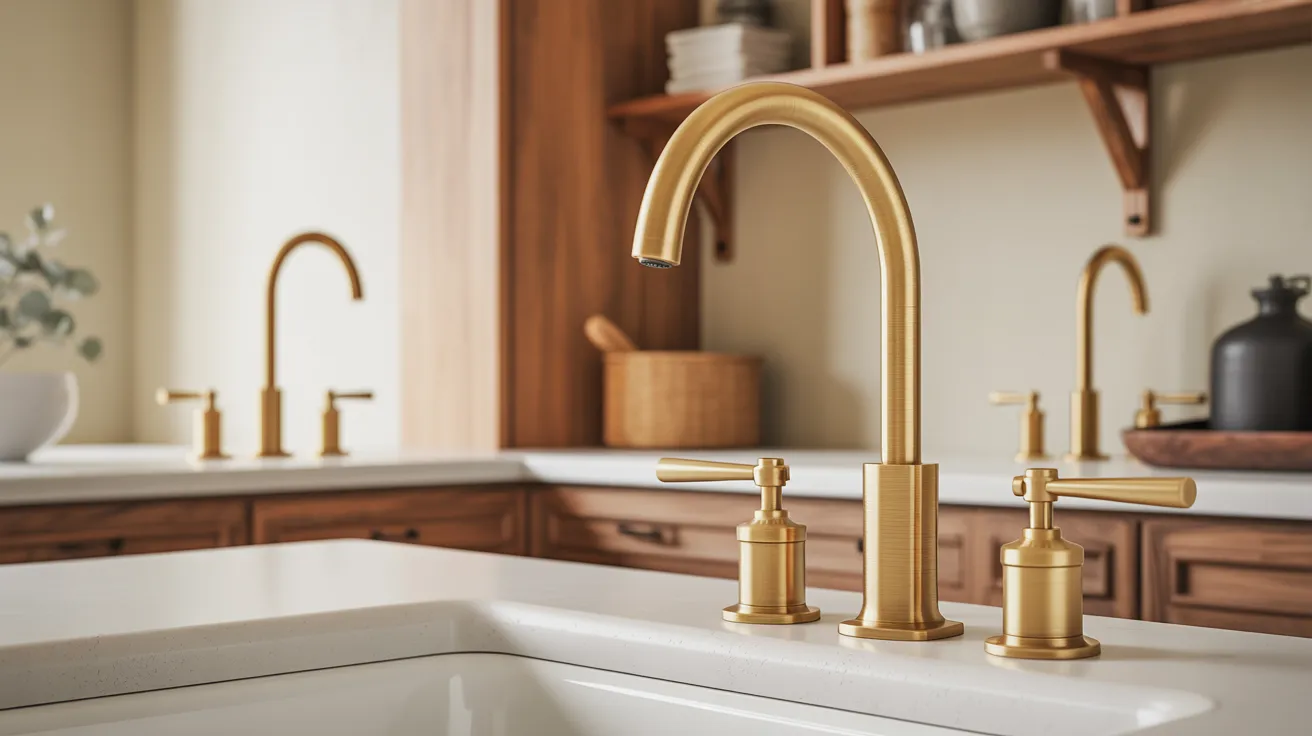
Brushed brass brings a warm, classic look with a golden-yellow glow that softens any space naturally.
Appearance and Color Tone
Brushed brass has a golden-yellow color that feels warm and inviting. The finish is matte, not shiny. This creates a softer look compared to polished metals.
Light hits the surface and scatters gently instead of reflecting sharply.
The color leans toward vintage or classic styling. I find it makes spaces feel cozy without trying too hard. It works well in rooms where you want that lived-in, timeless feel.
Material Characteristics
Most brushed brass fixtures use solid brass throughout. This metal ages beautifully over time. You’ll notice a patina developing, which adds character to the piece.
The material holds up well in high-traffic areas.
It doesn’t chip easily when bumped or scratched. Brass is naturally antimicrobial, which makes it practical for kitchens and bathrooms. The density of the metal gives it a quality feel when you touch it.
Ideal Uses
I recommend brushed brass for kitchens and bathrooms with traditional styling. It pairs perfectly with warm wood tones like oak or walnut.
Neutral wall colors let the brass stand out without competing. Matte black accents create nice contrast with brushed brass.
Use it on cabinet hardware, faucets, or light fixtures. The finish works in both farmhouse and transitional designs. It brings warmth to spaces that might otherwise feel cold.
What is Brushed Gold?
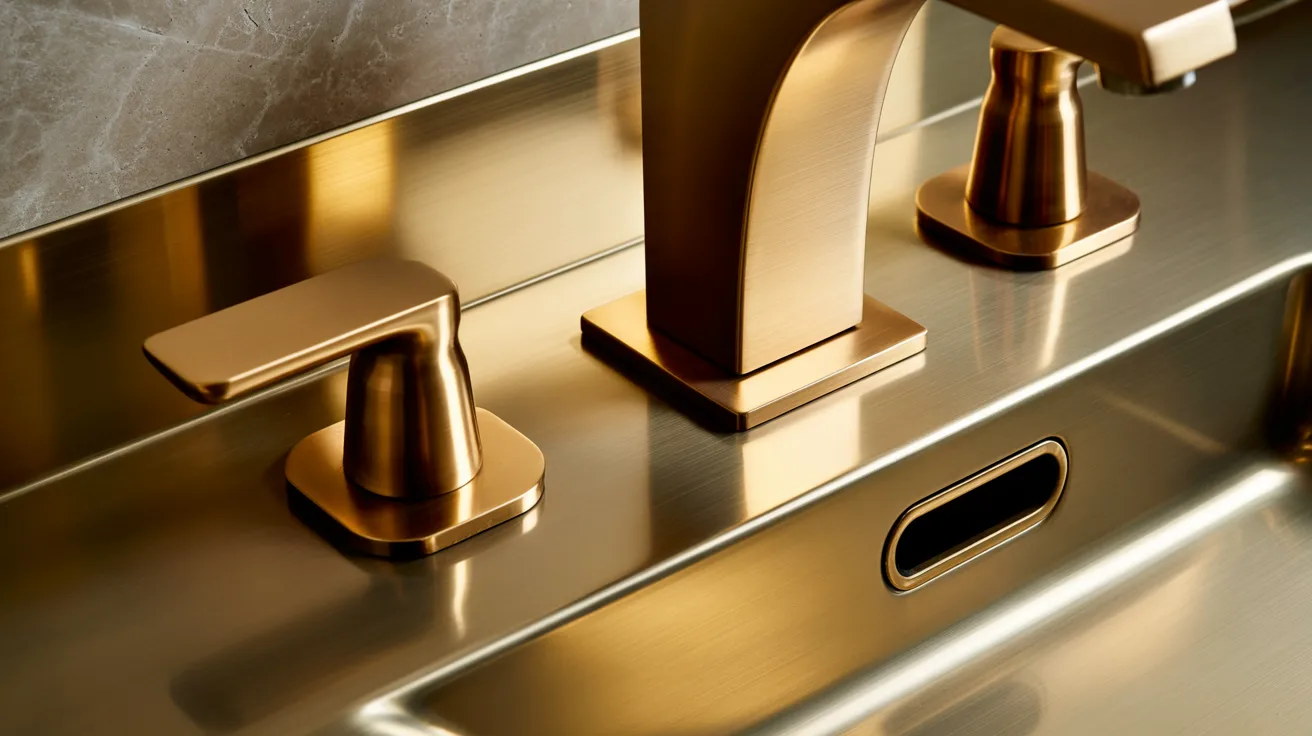
Brushed gold offers a richer, more modern look with a luminous quality that catches light differently than brass.
Appearance and Color Tone
Brushed gold shows a darker tone with coppery undertones. The color appears richer and more intense than brass. It has a luminous quality that feels current and fresh.
Light reflects softly off the surface without being flashy.
The finish reads as modern rather than vintage. I notice it makes spaces feel more refined and intentional. The color stays consistent and doesn’t shift much in different lighting.
Material Characteristics
Brushed gold can be solid brass or zinc alloy with a gold coating. Many manufacturers use PVD or titanium coating processes. These coatings resist scratches better than uncoated brass.
The finish maintains its color over time without fading.
Cleaning is straightforward since the coating protects the base metal. You won’t see patina development like you do with brass. The surface stays looking newer for longer periods.
Ideal Uses
Brushed gold fits contemporary kitchens and bathrooms perfectly. It complements bold cabinet colors like navy, emerald, or charcoal. Modern textures such as concrete, marble, or glass work well with it.
Use it as a statement piece on furniture or fixtures. The finish pairs nicely with both warm and cool color schemes.
I’ve seen it look great in minimalist spaces and maximalist designs. It adds luxury without feeling overdone.
Key Differences Between Brushed Brass and Brushed Gold
These two finishes may look similar at first glance, but they differ in color, aging, maintenance, and overall design impact.
| Feature | Brushed Brass | Brushed Gold |
| Color Tone | Lighter yellow-gold, warm and classic | Darker with copper tones, richer and saturated |
| Texture | Softer matte finish, develops patina over time | Satiny finish, stays consistent with protective coating |
| Aging | Changes appearance, adds character with patina | Maintains original look, doesn’t patina |
| Maintenance | Hides scratches well, clean with gentle soap | Resists tarnish, needs careful cleaning |
| Feel | Warmer and cozier | More luminous and modern |
| Design Style | Traditional, vintage, farmhouse, cozy spaces | Contemporary, bold, luxurious, minimalist |
| Durability | Minor marks blend in naturally | Coating protects but can be damaged by harsh cleaners |
How to Choose the Right Finish
Picking between brushed brass and brushed gold depends on your existing colors, lighting conditions, lifestyle needs, and personal preferences.
Assess Your Color Palette
Look at your cabinets, walls, and existing fixtures first. Warm wood tones pair better with brushed brass. Cool grays and bold colors work well with brushed gold. Consider what metals you already have in space.
Mixing too many different finishes creates visual confusion. I suggest picking one primary metal and sticking with it throughout a room.
Consider Lighting
Natural light changes how metals appear during the day. North-facing rooms stay cooler, which affects warm brass tones. South-facing rooms get warmer light that enhances both finishes.
Artificial lighting matters too. LED bulbs can make brass look more yellow. Warm bulbs enhance the golden tones in both finishes. Test samples in your actual lighting before committing.
Factor in Lifestyle and Maintenance
High-touch areas like kitchen faucets need durable finishes. Brushed brass handles fingerprints and wear better over time. Brushed gold maintains its appearance longer without visible aging. Consider how much maintenance you want to do. If you like the lived-in look, brass works perfectly. If you prefer things looking new, gold is better. Decorative pieces get less wear, so either finish works.
Mix and Match Tips
- You can layer different brushed finishes if done carefully.
- Keep textures similar across different metals.
- Use brushed brass and brushed gold in separate zones of a room.
- One on upper cabinets, another on lower fixtures creates intentional contrast.
- Don’t mix more than two metal finishes in a single space.
- Make sure one finish dominates while the other accents.
- This keeps the look cohesive instead of scattered.
Conclusion
I installed brushed brass in my kitchen and brushed gold in my bathroom, and I love how different they feel.
The brushed brass vs brushed gold debate comes down to your personal style and maintenance preference. Brass ages beautifully with character, while gold stays looking fresh.
I always tell friends to grab samples and test them in their actual space for a few days. Watch how they look in morning versus evening light. Trust what feels right to you.
Drop a comment and share which finish you’re choosing for your home. I’d love to hear what you decide.
Frequently Asked Questions
Can I mix brushed brass and brushed gold in the same room?
Yes, but keep them in separate zones. Use one finish on upper elements and another on lower fixtures. Make sure one metal dominates to avoid a scattered look.
Does brushed brass tarnish over time?
Brushed brass develops a patina naturally, which some people love for its character. You can clean it to slow the aging process, but it won’t stay looking brand new forever.
Is brushed gold more expensive than brushed brass?
Generally yes, because of the coating process and materials used. Brushed gold fixtures often have PVD or titanium coatings that add to manufacturing costs.
Which finish works better in a bathroom?
Both work well in bathrooms. Brushed brass handles moisture and develops patina gracefully. Brushed gold resists tarnish better and maintains a consistent appearance with less maintenance.
How do I clean brushed brass and brushed gold?
Use mild soap and water for both finishes. Avoid abrasive cleaners or scrubbing pads that can scratch the surface. For brushed gold, be extra gentle to protect the coating.
