

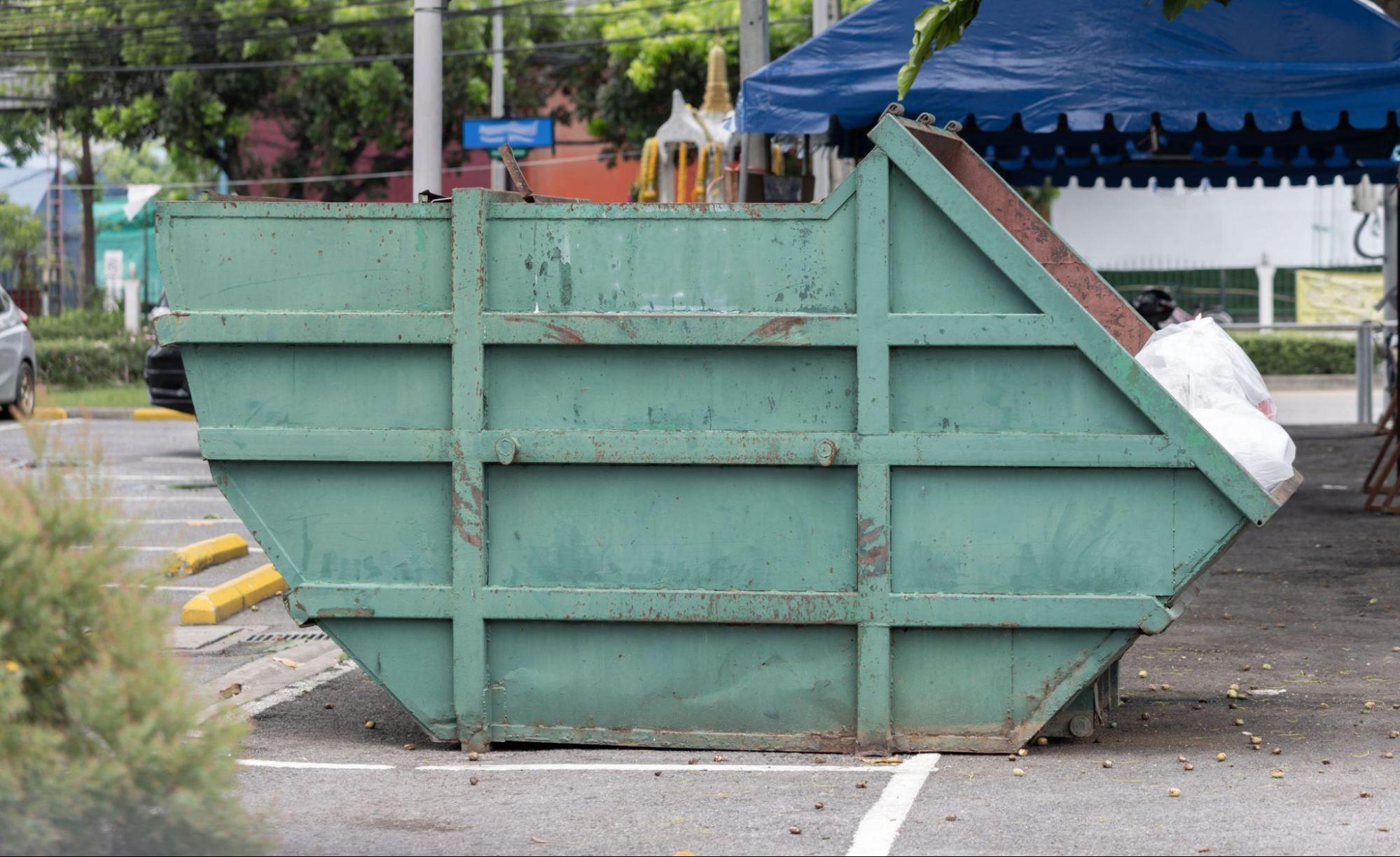
It’s a Saturday morning, you’ve finally tackled the basement, and now there’s a mountain of old drywall, broken patio furniture, and mystery boxes piled on the driveway. Loading it all into your SUV for round after round of eco-station trips is the kind of job that swallows a weekend whole. A bin in the driveway changes the math entirely.
Renting a bin in Edmonton is the simplest way to handle big cleanouts, renovation debris, or yard waste without burning a Saturday on landfill runs. The trick is knowing what size to order, what it should cost, and when to schedule the drop-off so the bin shows up exactly when you need it. A clear breakdown of renting a bin in Edmonton can save you real money and a fair bit of frustration before you even pick up the phone.
This guide walks through the sizes available locally, what each one realistically holds, the costs you can expect, and the timing details most homeowners only learn the hard way after their first booking.
Edmonton Bin Sizes and Price Ranges Compared
Most local providers carry a similar lineup of bins, measured in cubic yards. The size you pick determines two things at once: how much debris you can fit, and how much you’ll pay. Pick too small,l, and you’re booking a second drop-off. Pick too big, and you’re paying for empty space.
The Five Sizes You’ll See Locally
Edmonton bin providers usually stock five sizes, each tied to a specific project scale.
|
Bin Size |
Holds About |
Typical Project |
Price Range |
|
4-yard |
2 pickup truck loads |
Small yard cleanup, single-room declutter |
$200 – $250 |
|
10-yard |
4 pickup truck loads |
Bathroom or kitchen demo, garage clearout |
$300 – $400 |
|
14-yard |
6 pickup truck loads |
Basement reno, full deck removal |
$400 – $475 |
|
20-yard |
8 pickup truck loads |
Whole-home cleanout, roofing, large reno |
$450 – $550 |
|
40-yard |
16 pickup truck loads |
Major construction, commercial demo |
$700+ |
These figures assume drop-off and pickup within the Edmonton city limits. Service to St. Albert, Sherwood Park, and Spruce Grove is usually included, while spots like Fort Saskatchewan, Stony Plain, or Leduc often add a surcharge between $75 and $100.
What the Quoted Price Actually Covers
The number you see quoted is rarely the full picture. A standard dumpster bin rental typically covers four things: drop-off, pickup, a fixed rental window (usually seven days), and a base weight allowance of roughly one to two tonnes. Anything beyond that gets billed separately, and this is where surprise charges sneak in.
Watch for these line items when comparing quotes:
- Overage fees on weight, usually $85 to $89 per extra tonne
- Extra-day charges of $10 to $20 per day past your rental window
- Restricted-item fees if hazardous materials, tires, or electronics end up in the load
- Out-of-zone delivery surcharges for communities outside the metro core
Matching the Bin to the Job
A common mistake is sizing by gut feel. A garage that looks half-full often produces more debris than expected once shelving, drywall, and old paint cans come down. As a rough rule:
- Light items like cardboard, clothes, and yard trimmings fill a bin quickly but stay well under the weight limit.
- Dense materials like concrete, shingles, or soil hit the weight cap long before the bin looks full.
If your project mixes both, lean one size larger than you think you need. The extra capacity usually costs less than ordering a second bin later. Once you’ve settled on a size, the next factor that shapes your experience is timing, and Edmonton’s seasons play a bigger role than most people realize.
When to Book and How to Schedule Bin Delivery
Booking the right size is half the battle. The other half is lining up the drop-off and pickup so the bin shows up when you’re ready to load and leaves before extra-day fees kick in. Edmonton’s weather and seasonal demand both shape how easy that is to pull off.
Lead Times and the Best Days to Book
Most providers ask for at least 24 to 48 hours of notice, though same-day service is sometimes possible if a truck is already in your area. For weekend projects, Friday drop-offs tend to fill up fast, so calling by Tuesday or Wednesday gives you the best shot at the slot you want. If you’re tackling a multi-day reno, scheduling bin delivery for the morning you start demo work, rather than the day before, gives you the full seven-day window when you actually need it.
Seasonal Demand and Edmonton Weather
Local providers see clear surges throughout the year, and pricing or availability can shift accordingly.
- April to June: Peak season for yard cleanups and spring renovations. Book at least a week ahead.
- July and August: Heavy construction and roofing demand. Larger bins can be scarce.
- September to October: Pre-winter cleanouts and deck rebuilds. Still busy but more flexible.
- November to March: Slower months. Easier to schedule, though frozen ground and snow may limit driveway placement.
In the colder stretch, plan for the truck driver to need a clear, level surface free of ice. A salted or shovelled drop zone helps avoid damage and makes pickup faster.
Picking a Provider Without the Guesswork
Local outfits tend to handle dumpster rental requests with more flexibility than the big national chains, especially around drop-off timing and weight allowances. Ask for an all-in quote that spells out the rental period, included tonnage, and overage rates before you commit. A reputable team like Bye Bye Junk and similar Edmonton operators will give you those numbers without prompting. A few quick questions up front, paired with a realistic project timeline, almost always lead to a smoother experience and a smaller final bill.
The Bottom Line on Edmonton Bin Rentals
Hiring a bin doesn’t have to feel like a guessing game. Once you have a feel for the sizes, the local price range, and how seasons affect availability, the rest is mostly logistics. Confirm what’s included in the quote, sort out where the bin will sit, and book a day or two earlier than you think you need to.
Most of the regret stories come down to the same thing: ordering a size too small and paying for a second drop, or letting the bin sit too long and stacking extra-day fees. Both are easy to dodge once you’ve had the right conversation with a local provider. Get the size and the schedule right, and the cleanup turns into the kind of one-weekend job it was supposed to be all along.
