

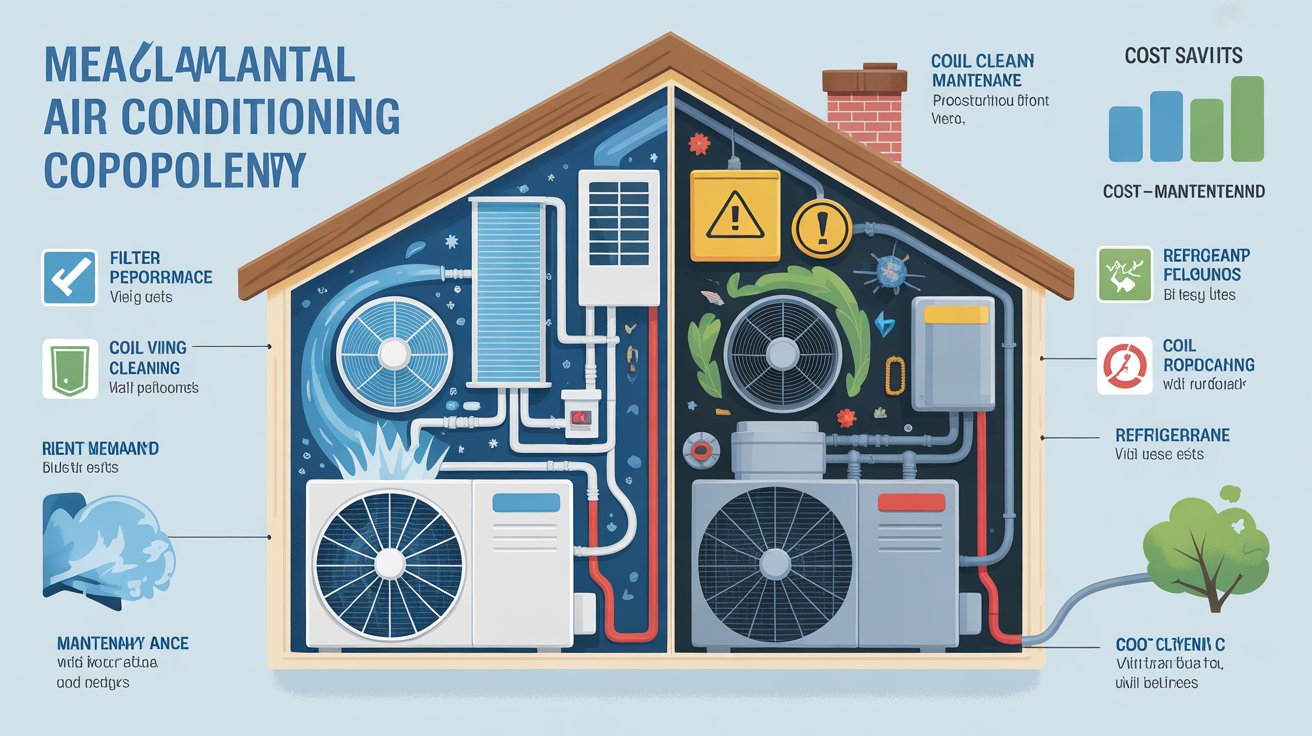
Your air conditioner works hard. On a scorching summer afternoon, it’s running for hours at a stretch, pushing cool air through your home while managing humidity, filtering dust, and maintaining consistent temperatures. That kind of workload takes a toll. And yet, most homeowners don’t think about their AC until something goes wrong.
That’s a costly habit.
Routine maintenance isn’t just about keeping the unit clean. Scheduling a timely ac tune up in San Diego is about protecting your investment, lowering your monthly bills, and avoiding the kind of surprise breakdowns that always seem to happen at the worst possible time.
The Real Cost of Skipping Maintenance
An air conditioner that hasn’t been serviced in a year or two doesn’t suddenly stop working. It deteriorates gradually. Coils get dirty. Refrigerant levels drift. Electrical connections loosen. Filters restrict airflow. None of these issues announces itself loudly, but together they force the system to work harder than it should.
When a system works harder, it uses more energy. Studies from HVAC industry sources consistently show that a poorly maintained AC can use 10 to 25 percent more electricity than one that’s been properly serviced. Over a full cooling season, that adds up fast.
More importantly, that extra strain accelerates wear. Components fail sooner. Compressors, which are the most expensive part of any AC system, are especially vulnerable. A compressor replacement can run anywhere from $1,200 to $2,500 or more, depending on the unit. Compare that to the cost of an annual maintenance visit, and the math isn’t complicated.
What a Professional Tune-Up Actually Covers
There’s a meaningful difference between a homeowner changing a filter and a certified technician running a full system inspection. A professional maintenance visit typically includes:
- Cleaning the evaporator and condenser coils
- Checking and adjusting refrigerant levels
- Inspecting and tightening electrical connections
- Lubricating moving parts
- Testing capacitors, contactors, and relays
- Measuring airflow and static pressure
- Checking the thermostat for accuracy
- Clearing the condensate drain line
- Inspecting the blower motor and fan blades
Each of these checks serves a purpose. Dirty coils, for example, dramatically reduce the system’s ability to transfer heat, which means the compressor runs longer cycles to hit the target temperature. A clogged condensate drain can cause water damage inside the air handler or trigger the system’s overflow shutoff. Loose electrical connections are a fire hazard and can cause intermittent failures that are difficult to diagnose.
A trained technician catches these issues before they turn into service calls.
Efficiency Isn’t Just About Your Bill
When an AC runs efficiently, it doesn’t just save you money on electricity. It cools your home more evenly, maintains better humidity control, and runs quieter. These are comfort issues that homeowners often chalk up to the system “getting old” when the real culprit is deferred maintenance.
There’s also the air quality angle. Dirty coils and clogged drains create conditions where mold and bacteria can grow inside the air handler. That growth can circulate through your ductwork and into the air you breathe. A clean, well-maintained system is a healthier one.
Timing Matters
The best time to schedule maintenance is in the spring, before the heavy cooling season begins. Technicians are more available, and you avoid the rush of emergency calls that come with the first heat wave of summer. Having the system checked and tuned up in April or May means you start the season with confidence rather than crossed fingers.
That said, fall maintenance before heating season is equally valuable for systems that handle both heating and cooling. Heat pumps especially benefit from biannual inspections given that they operate year-round.
The Lifespan Question
Most residential air conditioners are designed to last 15 to 20 years under normal operating conditions. “Normal” means properly sized for the space, correctly installed, and consistently maintained. Skip the maintenance, and that lifespan shrinks. Systems that go years without service often fail in the 8 to 12 year range, sometimes sooner.
Replacing an entire HVAC system is a major expense. Depending on the size of your home and the equipment selected, a full replacement can cost anywhere from $5,000 to $12,000 or more. Routine maintenance, scheduled annually, is one of the most effective ways to delay that expense and get the full value out of the equipment you already have.
Why Professional Service Makes a Difference
It’s tempting to treat AC maintenance as a DIY project. Swapping out a filter takes two minutes and costs almost nothing. But the rest of the work requires specialized tools, refrigerant handling certifications, and hands-on experience with electrical systems. Getting it wrong isn’t just ineffective; it can be dangerous.
A certified technician brings calibrated gauges, leak detection equipment, and the diagnostic experience to identify problems that aren’t visible to the eye. They know what normal looks like for a given system and can spot early warning signs of component failure before those signs become a breakdown.
There’s also accountability. A professional who services your unit regularly builds familiarity with your specific system. They know its history, they notice when something has changed, and they can make informed recommendations about when a repair makes sense versus when replacement is the smarter call.
Pay Now or Pay More Later
Regular air conditioner maintenance isn’t an optional expense. It’s how you protect a system that costs thousands of dollars to replace, keeps your home comfortable through the hottest months of the year, and directly affects what you pay every month on your energy bill.
The choice isn’t really between maintaining your AC and not maintaining it. It’s between paying modest, predictable costs now or absorbing large, unpredictable ones later. Scheduled professional maintenance tips that calculation firmly in your favor.
Don’t wait for a breakdown to think about your AC. Get ahead of it.
