

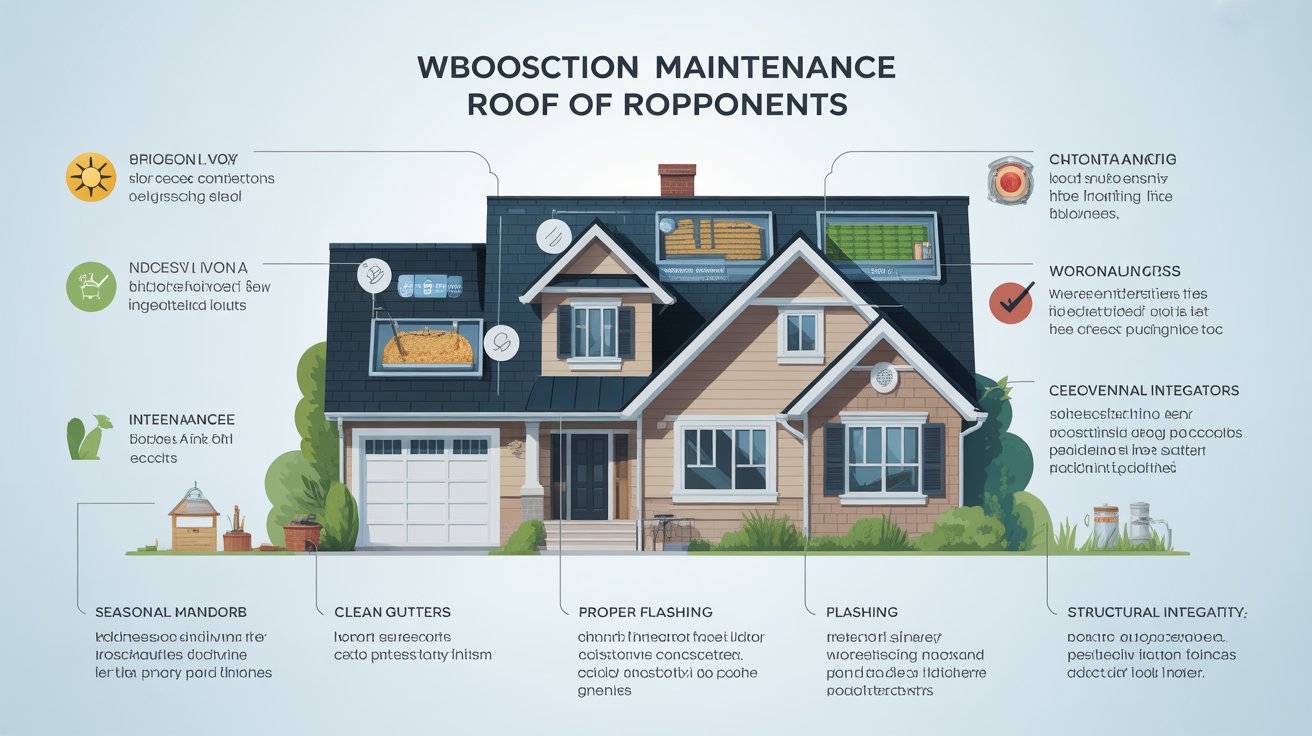
These days, home maintenance rarely feels urgent until something goes wrong. A sudden leak during a heavy rain. Shingles scattered across the yard after strong winds. Water stains that appear overnight. For many homeowners, roof problems seem to come out of nowhere, even though the warning signs were often there long before the emergency call.
That is where roof inspection and maintenance services quietly do their most important work. By addressing small issues early, routine care helps reduce the risk of costly, stressful repairs that disrupt daily life and damage long-term property value.
Why Emergency Roof Repairs Often Catch Homeowners Off Guard
Most roofing emergencies are not caused by a single dramatic event. They usually develop over time. A small crack in flashing. A few loosened shingles. Minor granule loss that exposes underlying materials. These issues do not always show visible symptoms right away.
Without preventative roof maintenance, these small weaknesses remain hidden. Over months or years, moisture finds its way in, insulation becomes compromised, and structural components start to deteriorate. By the time a homeowner notices a problem, the damage is often widespread.
Working with experienced professionals like N & I Roofing allows homeowners to identify and address these issues early, before they turn into expensive emergencies.
What Roof Inspection and Maintenance Services Actually Include
Roof inspection and maintenance services go far beyond a quick visual glance. Professional roof inspections are designed to evaluate both visible and hidden vulnerabilities across the entire roofing system.
Routine roof inspection services typically include checking shingles, flashing, vents, gutters, and drainage systems. Inspectors also look for signs of moisture intrusion, material fatigue, and structural movement that may not yet be causing leaks.
Maintenance tasks then focus on correcting minor problems. Loose fasteners get secured. Sealants are refreshed. Small sections of damaged shingles are replaced. This process keeps the roof stable and resilient, especially in changing weather conditions.
How Preventative Roof Maintenance Stops Damage Early
Preventative roof maintenance works because it interrupts damage before it spreads. Instead of waiting for visible leaks, inspections catch early wear patterns that signal future trouble.
Roof damage prevention often comes down to timing. Addressing a lifted shingle today may prevent water intrusion that would otherwise rot decking months later. Repairing compromised flashing can stop slow leaks that weaken framing and insulation.
Over time, this proactive roof care reduces stress on the entire system, slowing roof wear and tear prevention while extending the lifespan of materials.
Residential Roof Maintenance and Emergency Repair Prevention
For homeowners, residential roof maintenance is one of the most effective ways to avoid sudden repair bills. Emergency roof repair prevention relies on consistency rather than reaction.
Home roof maintenance services are especially valuable for identifying areas that homeowners cannot safely access on their own. Trained professionals understand where problems typically begin and how to stabilize them quickly.
This approach not only reduces emergencies but also supports cost-saving roof maintenance. Minor repairs completed early are far less expensive than full structural fixes later.
Annual Roof Inspection Services vs Reactive Repairs
Annual roof inspection services create a predictable maintenance rhythm. Instead of reacting to storms or leaks, homeowners can plan inspections around seasonal changes and weather exposure.
Regular inspections help track gradual changes over time. Inspectors can compare current conditions with previous reports, making it easier to spot deterioration early. This data-driven approach supports long-term roof protection and smarter budgeting.
Reactive repairs, by contrast, often happen under pressure. Materials may be scarce. Damage may be extensive. Costs tend to rise quickly when timing is not on the homeowner’s side.
Roof Maintenance After Storms: Why Timing Matters
Roof maintenance after storms plays a critical role in emergency prevention. Wind, hail, and heavy rain can cause subtle damage that is easy to overlook.
Shingle roof maintenance after severe weather often focuses on lifted edges, cracked surfaces, and displaced granules. Even when leaks are not immediately visible, storm exposure can weaken protective layers.
A prompt residential roof inspection services visit after major weather events allows professionals to document damage early. This not only prevents further deterioration but also supports smoother insurance conversations if repairs become necessary.
Using a Roof Maintenance Checklist to Stay Ahead
A roof maintenance checklist gives homeowners a clear framework for ongoing care. It outlines what should be checked seasonally, annually, and after major storms.
While some tasks, like visual ground-level checks, can be handled by homeowners, others require professional tools and experience. Roof upkeep for residential homes is most effective when homeowners combine awareness with expert support.
This balanced approach reduces uncertainty and helps homeowners stay proactive rather than reactive.
Roof Maintenance Best Practices for Long-Term Protection
Roof maintenance best practices focus on consistency, documentation, and professional oversight. Regular inspections, prompt minor repairs, and clear records all contribute to roof longevity.
Choosing trusted providers, including those recognized among the best roofing contractors, ensures that maintenance decisions are based on accurate assessments rather than guesswork. Skilled contractors understand how different materials age and how climate affects performance.
Over time, this disciplined approach supports roof leak prevention services and protects both the structure and the people living beneath it.
Are Roof Inspection and Maintenance Services Worth It Long Term?
When viewed over the life of a roof, inspection and maintenance services offer more than convenience. They provide stability. They reduce financial surprises. They protect long-term property value.
For homeowners who want fewer emergencies and more control over repair costs, proactive maintenance is a practical investment. Scheduling routine inspections, responding early to small issues, and working with qualified professionals creates a roofing strategy built on prevention rather than crisis.
The next step is simple. Review your roof maintenance checklist, schedule a professional inspection, and commit to proactive care. Small actions today can prevent major repairs tomorrow.
