

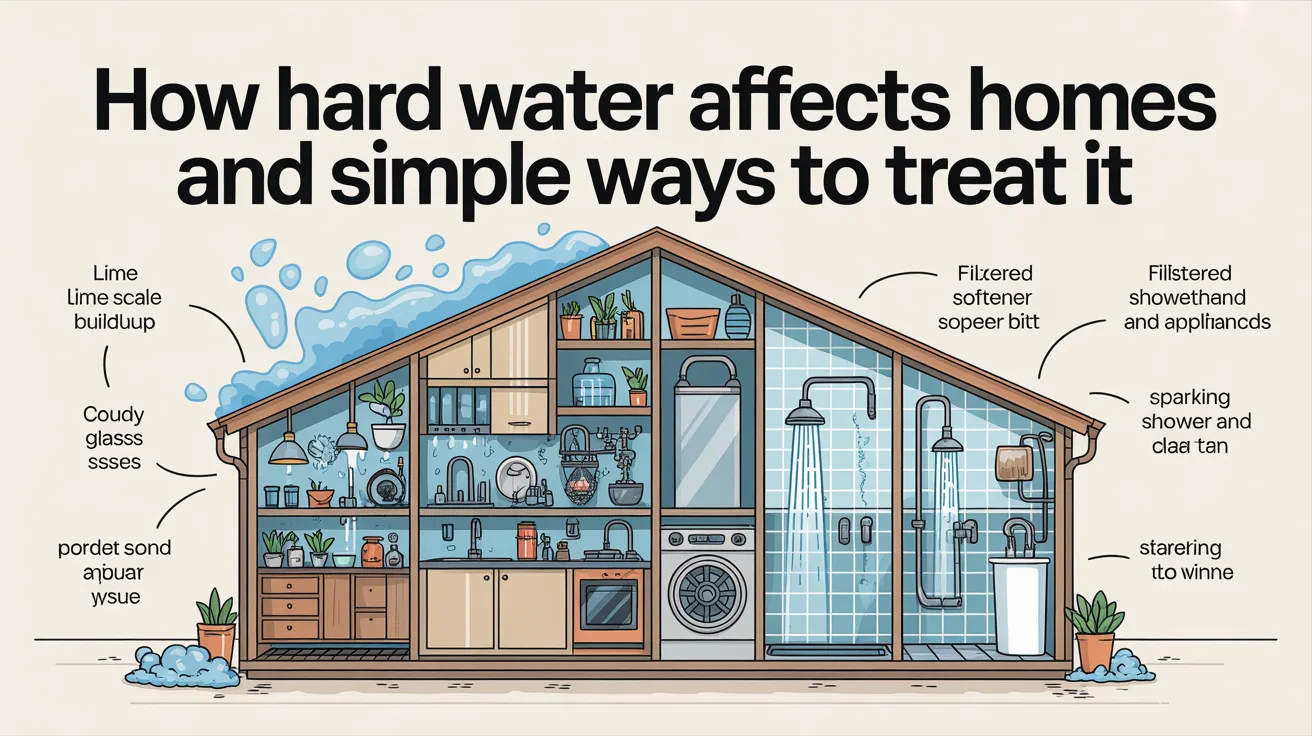
Hard water is a common household issue caused by high concentrations of minerals such as calcium and magnesium. While it is generally safe for everyday use, these minerals can gradually affect plumbing systems, appliances, and fixtures throughout a home. Over time, mineral buildup may form scale inside pipes, reduce water flow, and decrease the efficiency of dishwashers and washing machines. Homeowners may also notice soap scum on bathroom surfaces, cloudy glassware, stiff laundry, or dry skin and hair after bathing.
Addressing mineral-heavy water often involves practical treatment methods designed to reduce buildup and improve overall water quality. One widely used solution is the installation of water softeners system, which works by removing excess minerals before the water circulates through the home. Regular maintenance, descaling fixtures, and monitoring plumbing performance can also help minimize long-term damage and extend the lifespan of household systems.
What Is Hard Water?
Hard water refers to water that contains above-average levels of calcium and magnesium. As rainwater travels through soil and rock, these minerals dissolve into the water. Once inside a home’s plumbing system, hard water does not pose a health risk under normal use, but it can cause significant maintenance hassles and reduce efficiency in many daily routines.
Common Signs of Hard Water
The presence of hard water usually becomes apparent after repeated use of water in the home. You might notice white, chalky residue on faucets and showerheads or see persistent spots and films left on clean dishes. Other frequent signs include soap and detergent struggling to lather, the sensation of skin dryness after bathing, hair that appears dull, and laundry that feels stiff or fades prematurely after washing.
Impact on Plumbing and Appliances
Perhaps the most significant impact of hard water is on household plumbing and appliances. Over time, dissolved minerals form solid deposits (limescale or scale) inside pipes. As buildup accumulates, it restricts water flow and can eventually clog pipes, leading to costly plumbing repairs. Water heaters, dishwashers, and washing machines are particularly susceptible, with scale buildup causing them to work harder and wear out sooner. This extra effort results in higher energy consumption and more frequent maintenance. Homeowners can reduce these risks by regularly descaling and maintaining their systems.
Effects on Skin and Hair
Bathing or showering with hard water leaves a subtle, invisible mineral film on your skin and hair. This film interferes with normal cleansing, often causing skin dryness, irritation, and flakiness. Soaps and shampoos do not rinse off completely, leaving hair feeling heavy, dull, or sticky. While specially formulated moisturizing soaps and shampoos can temporarily lessen these effects, addressing the root cause of water hardness provides the most lasting results.
Laundry and Dishwashing Challenges
Hard water reduces the effectiveness of soap and detergents, making it difficult to clean fabrics and dishware thoroughly. You might notice that clothes come out of the washer feeling rough or looking faded, and glasses or dishes appear spotty even after thorough washing. Adding washing soda to laundry loads or using rinse aids in dishwashers can help break down some minerals and improve results.
Simple Ways to Treat Hard Water
Effectively managing hard water does not necessarily require a major investment, though certain solutions can deliver more comprehensive results. Here are practical strategies to address hard water in your home:
- Install a Water Softener: This remains the most widely recommended solution for ongoing protection. Water softener systems use a process called ion exchange to replace calcium and magnesium with sodium or potassium ions, softening the water throughout your entire home.
- Use Vinegar for Cleaning: Vinegar’s acidic nature makes it ideal for dissolving mineral buildup on faucets, showerheads, and even inside small appliances like kettles. Simply soaking the affected areas in vinegar can restore shine and improve function.
- Boil Water: In some cases, boiling water can help precipitate calcium carbonate, temporarily reducing hardness for cooking or cleaning. However, this method only affects temporary hardness and is not a practical long-term solution for most homes.
- Use Chelating Agents: Some detergents and cleaning products include chelating agents that bind to minerals, allowing them to rinse away more efficiently and preventing buildup on surfaces and fabrics.
Conclusion
Hard water can be a persistent source of discomfort and inconvenience in homes. Recognizing the early signs and understanding its effects on plumbing, health, and daily chores makes it easier to implement solutions and preserve the performance of appliances and the quality of your living space. From routine cleaning treatments to installing a comprehensive water softening system, homeowners have many options to minimize the negative impact of hard water and enjoy a cleaner, more efficient household.
