

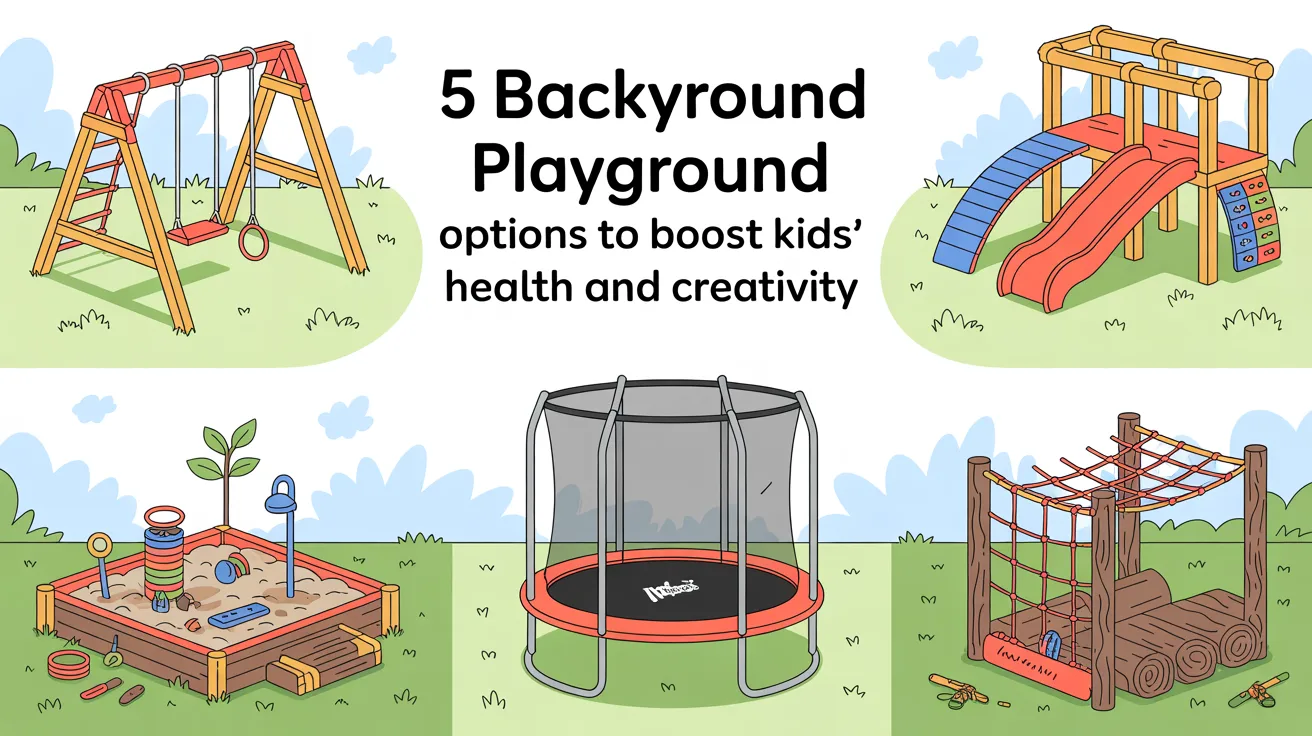
Play spaces at home can do more than entertain kids. They create chances to move, explore, and build confidence right in the backyard. A well-planned playground helps kids grow stronger, think creatively, and stay active without leaving home.
Families can design simple or detailed setups that fit their space and budget. With the right mix of materials and ideas, an ordinary yard can become a place where kids explore nature, test new skills, and enjoy time outdoors in a safe, fun way.
1. Wooden Backyard Playsets with Different Designs
Wooden playsets come in many shapes and layouts that fit both small and large yards. Families can choose from towers, slides, swings, or forts that match the space and age range of their children. These sets create an inviting outdoor area that encourages active play and social time with friends. Many backyard playground sets for kids include safety features such as smooth edges, durable hardware, and treated wood to handle outdoor use.
Design variety adds flexibility for parents. Some playsets feature straight bases for flat ground, while others have angled bases for uneven surfaces. Multi-level platforms allow easy expansion, such as adding a rock wall, monkey bars, or a small clubhouse. This setup helps children grow their physical skills while keeping play exciting.
Wood materials also blend easily with natural surroundings. Families often prefer the look of wood because it matches gardens, fences, and patios. A well-designed playset can balance fun, motion, and creativity without overpowering the yard’s appearance.
2. DIY Obstacle Course with cones, ropes, and tunnels to improve balance and problem-solving
A backyard obstacle course gives kids a chance to move their bodies and use their minds at the same time. Cones, ropes, and tunnels turn a small yard into a place for active play that keeps children busy and curious. Each item can serve a simple purpose but still challenge balance, coordination, and focus.
Parents can set up stations with clear goals. For example, cones can mark weaving paths, ropes can form lines to step over or crawl under, and tunnels can invite kids to crouch, stretch, and plan their next move. Each part helps kids think ahead and test new strategies to get through successfully.
In addition, families can adapt the course for different ages. Younger kids may use soft pool noodles or cushions, while older ones can add balance boards or hop patterns. This mix keeps the activity fresh and encourages steady progress in both movement and problem-solving skills.
3. Rubber Flooring Zones to Guarantee Safe Landings and Reduce Injury Risk
Rubber flooring gives backyard play zones a safer surface that helps reduce the chance of injuries from falls. It cushions impact and supports steady footing during active play. Parents often choose it because it combines safety with durability over time.
This type of flooring comes in materials such as poured rubber, tiles, or rubber mulch. Each type absorbs impact differently but provides consistent protection under swings, slides, and climbing areas. It also drains well after rain, which helps keep surfaces dry and usable.
Proper installation creates an even, stable surface that stays in place as kids move around. Regular sweeping and cleaning keep it in good condition and extend its life. By setting these soft zones in key play areas, families can build safer spaces that encourage kids to move freely and play with confidence.
4. Water Play Area Featuring Splash Pads to Stimulate Sensory Development
A water play area with a splash pad encourages children to explore textures, temperatures, and movement in a fun way. It allows them to use their senses through touch and sound while staying active outdoors. The gentle sprays and streams give kids a chance to experiment with cause and effect as they control and redirect water.
These features also support coordination and strength. Children can jump, balance, and reach as water flows around them, which helps develop motor skills. The mix of motion and sensory input can also calm and focus kids who benefit from sensory play.
Designs that include spray zones at different heights make the space inviting for a wide age range. Accessible paths and smooth surfaces allow all children to enjoy the same play area. With simple elements such as nozzles, fountains, and buckets, families can create a backyard space that keeps play safe, creative, and full of discovery.
5. Nature-Inspired Play Structures using logs and rocks to connect kids with outdoors
Natural play structures made from logs and rocks give children a direct link to the outdoors. Instead of plastic slides or metal bars, these designs use materials that feel real and invite curiosity. Kids climb, balance, and build strength while developing confidence in their movement.
Logs arranged as steps, beams, or tunnels help children test their coordination and problem-solving skills. Rocks add variety through different shapes and textures, which encourage creative play. Together, they create safe spaces that still feel wild and full of discovery.
Parents and educators value these setups because they support physical development while sparking imagination. Such environments also promote teamwork and social skills through shared exploration. As a result, children build both physical ability and a lasting connection to nature right in their backyards.
Conclusion
A well-planned backyard playground gives children a space that supports both health and creativity. Active play outdoors helps strengthen muscles and coordination while also encouraging imagination through unstructured activities.
Parents may adjust designs as children grow. Simple elements like rope ladders, sand areas, or balance beams can keep playtime fresh without expensive upgrades.
It also matters to create a safe and inviting area. Soft surfaces, shaded spots, and visible supervision zones add comfort and confidence for both kids and adults.
The right balance between fun and functionality allows families to spend more time together outdoors. Such spaces give children lasting benefits that reach beyond playtime and into everyday development.
