

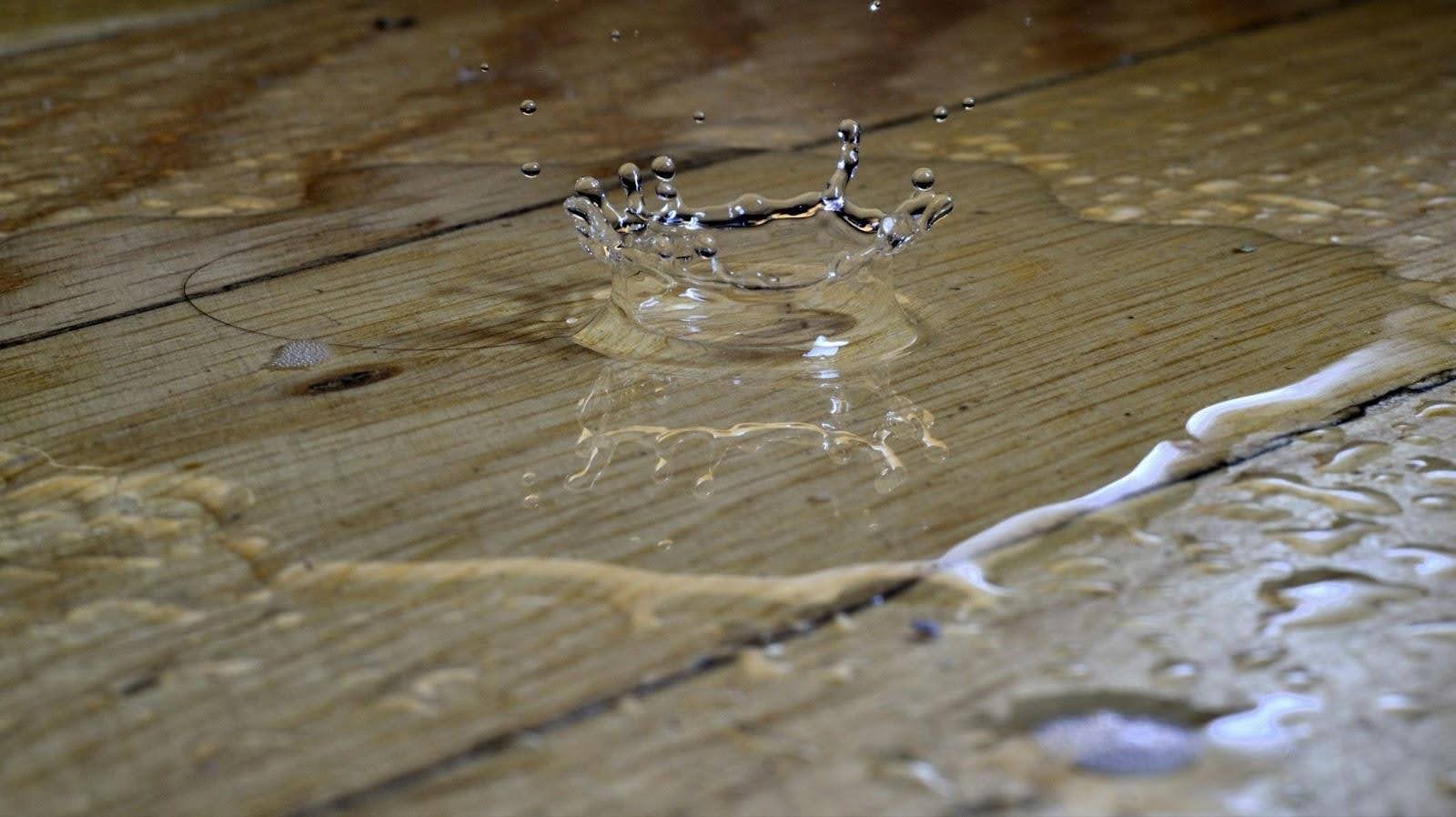
Water damage can happen fast and quietly. A burst pipe, an overflowing appliance, or heavy rain can all introduce water into areas of your home that aren’t meant to handle it. When that happens, knowing how to respond right away can make a significant difference in how much damage occurs and how expensive the repairs become. Here’s a step-by-step guide to help you act safely, quickly, and efficiently when water damage strikes your home.
Step 1: Make Safety Your First Priority
Before focusing on the damage itself, make sure everyone in the home is safe. If water has reached your breaker panel, appliances, or electrical outlets, avoid entering the affected area until power is shut off.
If the water damage is caused by a severe event like flooding or a major pipe break, consider leaving the home temporarily until conditions are safe. Remember, your safety always comes before cleanup.
Step 2: Stop the Source of the Water
Once it’s safe, identify where the water is coming from and stop it if possible. This may mean shutting off the main water valve to your home, turning off a specific appliance, or placing a temporary barrier to keep rainwater from entering.
If you can’t stop the source right away, focus on containing the water to prevent it from spreading to other rooms. Towels, buckets, or temporary seals can help limit further damage until proper repairs are made.
Step 3: Document the Damage Immediately
Before you begin the cleanup, make sure to take videos and photos of all visible damage. Capture walls, floors, ceilings, furniture, and personal belongings that were affected by water. This documentation is especially important if you plan to file an insurance claim. Remember to be thorough but efficient. The goal is to create a clear record without compromising your safety or delaying the next critical steps.
Step 4: Remove Standing Water and Begin Drying
If there’s standing water, remove it as soon as possible using towels, mops, or other available water-removal tools. After the visible water is removed, focus on drying the area. Open your windows if the weather allows, turn on fans, and make use of your dehumidifiers. Even small amounts of trapped moisture can seep into walls, flooring, and subfloors, leading to mold or structural issues later.
Step 5: Decide if Professional Help is Needed
Not all water damage is the same. A small spill on tile flooring may be manageable, but water that has soaked into drywall, insulation, or wood framing often requires professional attention.
In cases involving widespread damage, sewage backup, or storm-related flooding, it’s best to seek professional help. If you’re a resident of Texas and its surrounding areas, work with a reputable water damage restoration company in Austin, TX, to properly assess moisture levels, dry affected materials, and prevent long-term problems. This step is especially important in places with humid climates, where mold can develop quickly if water damage isn’t handled thoroughly.
Step 6: Remove Damaged Materials Carefully
Some materials simply can’t be saved after water exposure. Wet carpets, padding, insulation, and drywall may need to be removed to remove odors and prevent the growth of mold. When removing damaged items, make sure to wear protective gloves and masks, especially if the water source is contaminated or stagnant.
Place debris in sealed bags and keep it away from unaffected areas of the home. If you’re unsure of what can be salvaged and what needs to go, it’s better to wait for a professional assessment rather than risk leaving damaged materials behind.
Step 7: Clean and Sanitize the Area
After drying and removal, cleaning is essential. Water damage can leave behind bacteria, dirt, and residues that aren’t always noticeable. Hard surfaces should be cleaned and disinfected, while fabrics and soft materials may require specialized cleaning or placement. This step helps prevent odors, mold growth, and potential health concerns down the line.
Step 8: Monitor for Ongoing Issues
Even after cleanup, continue to watch the affected areas closely. Look for signs such as musty smells, warping materials, peeling paint, or discoloration, as these can indicate lingering moisture or hidden damage. It’s also ideal to monitor indoor humidity levels over the following weeks to ensure the space remains dry.
Step 9: Plan Repairs and Prevent Future Damage
Once the area is fully dry and clean, you can begin repairs. This may include replacing drywall, flooring, cabinets, or trim. Use this opportunity to address the root cause of the damage, whether it’s old plumbing, poor drainage, or insufficient sealing around windows and doors. Preventive steps like maintaining gutters and regular plumbing inspections can significantly help reduce the risk of future water damage.
Endnote
Water damage can feel overwhelming, especially when it happens unexpectedly. The key is acting quickly, being proactive, and knowing when a situation requires beyond basic cleanup. By following these steps, you can limit the damage, safeguard your home’s structure, and prevent costly long-term issues.
