

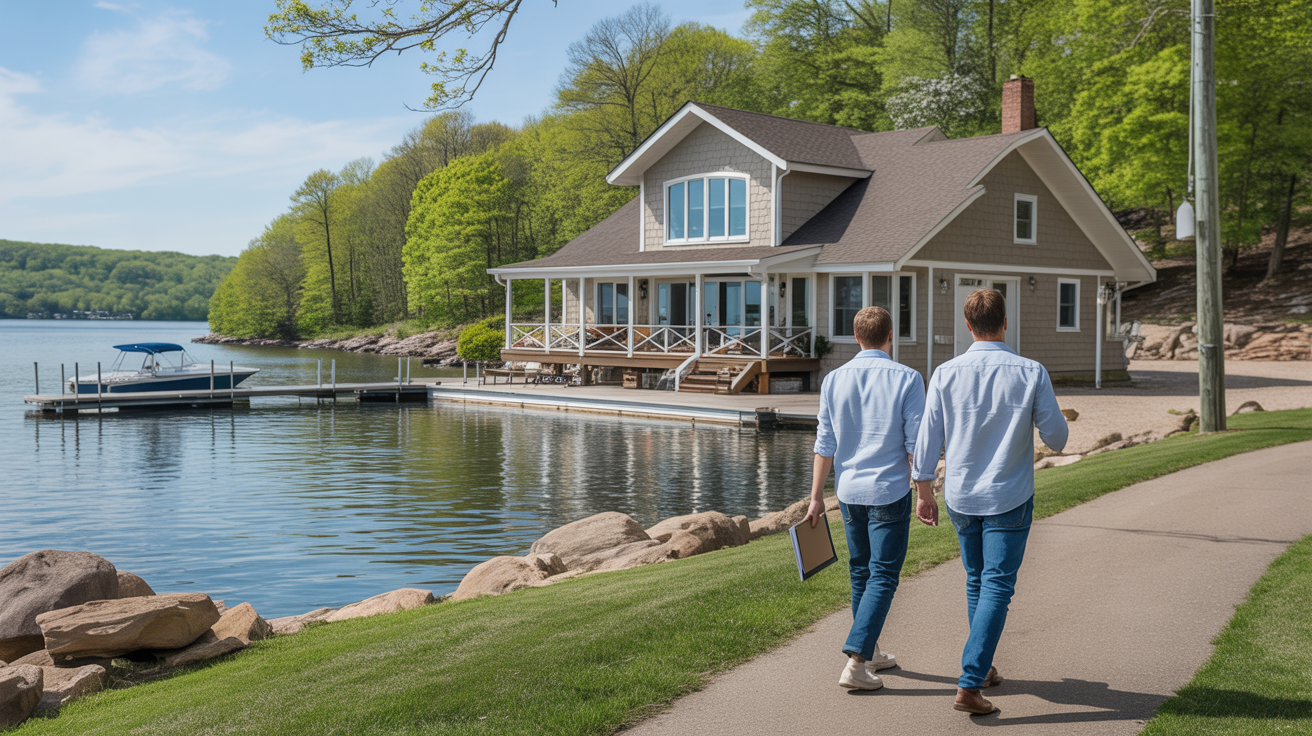
The decision to purchase property at a major recreational destination like the Lake of the Ozarks is often driven by a desire for a lifestyle change, blending relaxation, outdoor activities, and potential income from rentals. However, buying a home here involves unique considerations that go far beyond a typical residential purchase.
The market is heavily influenced by the tourism economy, which affects everything from financing options to insurance requirements. Understanding the specific geographical and regulatory complexities tied to waterfront ownership is essential for a sound investment.
Prospective buyers must be aware of the distinct trade-offs between various property types, maintenance demands, and community regulations specific to the Lake area. This requires specialized local knowledge, and seeking guidance on Lake of the Ozarks homes for sale is the first step toward navigating this niche and rewarding market effectively.
Types of Properties Around the Lake
The Lake of the Ozarks offers a diverse inventory of properties, each with different price points and access benefits. The most sought-after are direct lakefront homes, which offer private docks, immediate water access, and the highest values.
A second category is “lake-access” or “lake-view” homes, which are set back from the shore but often include amenities like community boat slips, shared docks, or deeded access points. These homes provide many of the benefits of lake living without the premium price tag or extensive lakefront maintenance burden.
Inland homes, the third type, are generally the most affordable and may be located within established golf or residential communities. While they offer proximity to the Lake’s amenities, they require a short drive to reach the water, appealing to buyers prioritizing community features over immediate waterfront access.
Seasonality and Market Considerations
The Lake of the Ozarks real estate market is highly seasonal, reflecting the area’s tourist economy. The high season for buying typically runs from early spring through summer, when the weather is warm and buyers can fully appreciate the property and the recreational appeal of the water.
This peak season often brings increased competition, potentially resulting in higher prices and bidding wars for premium, dock-equipped lakefront homes. Inventory tends to be tighter during this period as sellers capitalize on the greatest demand.
Conversely, the late fall and winter months usually see a slower market, with fewer buyers and potentially more negotiable prices. While viewing homes in colder weather can be less appealing, it may be the optimal time for buyers focused on securing a better deal.
Maintenance and Environmental Factors
Lakefront living comes with specific maintenance challenges related to water and weather exposure. Homes must be resilient against higher humidity levels, which can accelerate wear and tear on exteriors, foundations, and mechanical systems.
Dock maintenance is a constant, specialized requirement. Docks are subject to wear from water level fluctuations, seasonal ice (in colder areas of the Lake), and continuous exposure to sun and moisture. Repair and permitting for docks are often complex processes governed by utility and state regulations.
Buyers must also consider environmental factors, such as erosion control along the shoreline and the need for specialized lake septic systems. Insurance costs may also be higher due to the increased risk associated with water damage and specialized dock coverage.
Community Rules and Property Use
Many properties around the Lake, particularly those in desirable developments, are governed by Homeowners Associations (HOAs) that impose strict rules regarding property use, rental policies, and external aesthetics. Buyers must thoroughly review these rules before purchase.
Of particular importance are short-term rental rules. Many buyers seek investment properties, but some HOAs or specific sections of the Lake prohibit or heavily restrict nightly and weekly rentals, significantly impacting a property’s income potential.
Additionally, buyers should understand local zoning ordinances and utility jurisdiction, which govern things like construction limits, dock size, and permitted watercraft use. These regulations can vary dramatically between different coves and counties around the massive Lake system.
Aligning Property Choice With Lifestyle Goals
The ultimate buying decision should align the property’s features with the buyer’s intended primary use. A buyer seeking a high-volume investment property will prioritize short-term rental feasibility and a dock location in a popular cove.
Conversely, a buyer seeking a quiet retirement sanctuary will likely prioritize year-round accessibility, low HOA fees, and a calmer, low-wake section of the Lake. The decision is a balance between social activity, desired tranquility, and cost.
Thorough analysis of the total cost of ownership—including dock fees, HOA dues, specialized insurance, and ongoing maintenance—is critical. By aligning budget and expectations with the realities of lake living, buyers can ensure a rewarding and sustainable investment.
