

Table of Contents
- Introduction
- Winter Challenges
- Spring Maintenance
- Summer Preparations
- Fall Readiness
- Energy Efficiency Considerations
- Indoor Air Quality
- The Importance of Professional Inspections
- Conclusion
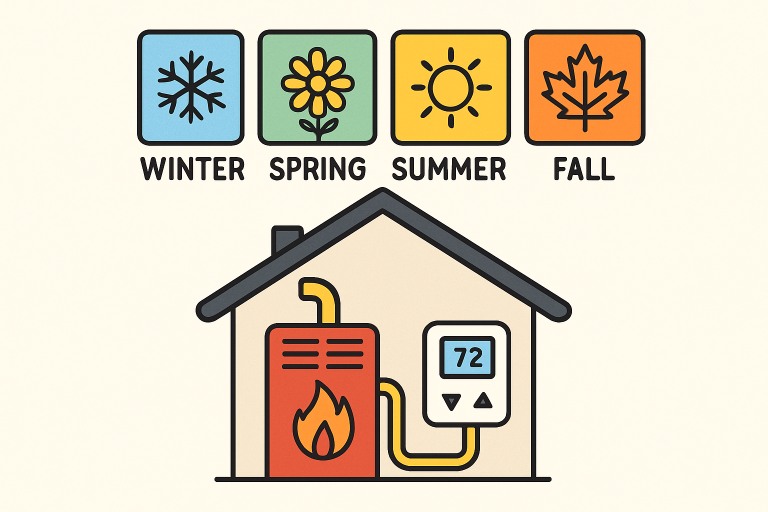
As the year unfolds, the shifting seasons present unique challenges and opportunities for home heating systems. Whether it’s the biting chill of winter or the mild temperatures of spring, understanding how climate changes impact your home can be the difference between uninterrupted comfort and costly repairs. For homeowners in warmer states, keeping heating systems ready for sudden cold snaps is essential, and finding reliable Furnace repair in Phoenix, AZ is an important step toward home readiness.
Each season’s weather pattern doesn’t just alter comfort levels—it puts varied strains on your heating equipment, affecting efficiency, air quality, and even the safety of your home. Learning what to expect and how to proactively prepare is key to avoiding breakdowns, high energy bills, and premature system replacements. By tuning into how changing weather conditions affect your heating system, you’ll keep your household safe and efficient all year long.
Winter Challenges
Winter is the ultimate test for home heating systems. As temperatures plummet, your furnace and pipes work overtime to keep your home comfortable. At this time of year, frozen pipes become one of the most common and costly home emergencies. Insulating exposed pipes in attics, crawl spaces, and basements can save you from sudden leaks and water damage. Consistently maintaining a moderate thermostat setting even when you leave the house can also stave off hazardous pipe freezes and keep your heating infrastructure stable.
Additionally, as your furnace cycles on more frequently, any overlooked issues, such as a dirty filter or malfunctioning blower, can quickly spiral into a full system failure. To keep operations smooth, schedule an annual tune-up before the coldest months arrive this ensures your system can handle the increased workload and catch minor issues before they cause breakdowns.
Spring Maintenance
As winter fades, your heating system finally gets a breather. Spring is the ideal season to tackle maintenance tasks that prepare your equipment for months of rest and set it up for efficient operation next winter. Begin by replacing or cleaning air filters, which likely accumulated dust and debris over the winter. Take the opportunity to clean vents and registers, as this not only enhances air quality but also helps your system run more efficiently.
Besides improving air circulation, spring maintenance involves visually inspecting the ductwork for leaks and ensuring that all thermostats function correctly. It’s also wise to check your carbon monoxide detectors, as furnaces and heating equipment are often the primary sources of accidental carbon monoxide buildup. Adopting this proactive approach not only extends the lifespan of your equipment but also ensures your system stays ready for any unexpected cold spells.
Summer Preparations
While home heating may seem like an afterthought during the hottest months, summer presents a golden opportunity for upgrades and repairs. This is the least likely time for emergencies, making it ideal for larger projects, such as installing programmable thermostats or investing in smart home integrations that can reduce overall energy consumption.
Dust, pollen, and other summer debris often settle inside ductwork during periods of lower use. A professional duct cleaning improves future air quality and prevents system strain when heating demand increases in the fall. If your system is aging or showing signs of wear, summer is also when you’ll face shorter wait times with contractors less busy compared to the high-demand winter season. For further insights on home improvements that boost heating system efficiency, visit This Old House’s guide on seasonal HVAC care. Scheduling this work early also allows homeowners to plan upgrades thoughtfully, compare options, and avoid rushed decisions later in the year. By taking advantage of summer’s slower pace, you can ensure your heating system is efficient, reliable, and fully prepared for colder weather.
Fall Readiness
Longer nights and dropping temperatures mean it’s time to shift your focus back to heating. Early in the fall, make a habit of clearing away leaves, grass, and yard debris from around outdoor units and vents. This improves airflow and reduces the risk of overheating and system shutdowns.
Fall is also the best time to schedule a professional inspection. Technicians can address worn or faulty parts, clean burners, and verify the operation of systems such as heat exchangers and igniters. By investing in preventive services now, you avoid unexpected breakdowns and ensure your system can run all winter long without interruption. With many utility companies offering seasonal rebates, it’s worth exploring money-saving opportunities as you prepare your heater for cooler weather.
Energy Efficiency Considerations
Across every season, maximizing energy efficiency saves money, increases comfort, and reduces environmental impact. Start by sealing air leaks around windows, doors, and duct seams to minimize wasted energy. Upgrading an outdated thermostat to a programmable or smart model allows you to control temperatures based on your daily routines and automatically adjust settings for efficiency when you’re away.
Consistent maintenance—like replacing dirty air filters and scheduling annual tune-ups can reduce your heating bills and help your equipment last years longer. For homeowners considering a system upgrade, energy-efficient furnaces and heat pumps can generate significant long-term savings and may qualify for federal rebates.
Indoor Air Quality
As you seal up your home for the colder months, indoor air quality can suffer. Limited ventilation during winter means that dust, dander, and other pollutants accumulate more quickly, potentially exacerbating allergies or respiratory problems. Swapping out air filters regularly is one of the easiest ways to keep air fresh, while investing in air purifiers or humidity control systems can also make a noticeable difference.
In the shoulder seasons spring and fall open windows strategically to flush out stale air and circulate fresh outside air. If you want to know more about best practices for balancing indoor air quality with energy conservation, check out EPA’s recommendations on indoor air quality management. Being proactive about these steps helps create a healthier living environment while reducing unnecessary strain on your heating and cooling systems. With consistent maintenance and smart ventilation habits, you can enjoy cleaner air year-round without sacrificing comfort or efficiency.
The Importance of Professional Inspections
No matter how far you go with DIY maintenance, professional inspections are irreplaceable. Only licensed HVAC technicians have the training and tools to catch hidden issues, perform deep cleanings, and test critical safety equipment. Scheduling routine checkups not only keeps warranties valid but also offers peace of mind that your home will stay comfortable no matter what the seasons bring.
Conclusion
Keeping up with seasonal changes is essential for maintaining a reliable and efficient home heating system. From winter prep to spring cleaning and summer upgrades, each season brings its own to-do list. Through proactive maintenance, a focus on energy efficiency, and regular professional inspections, you can ensure lasting comfort while minimizing repair costs, regardless of the weather. Staying ahead of these changes ensures your home is always ready for whatever nature brings next.
