

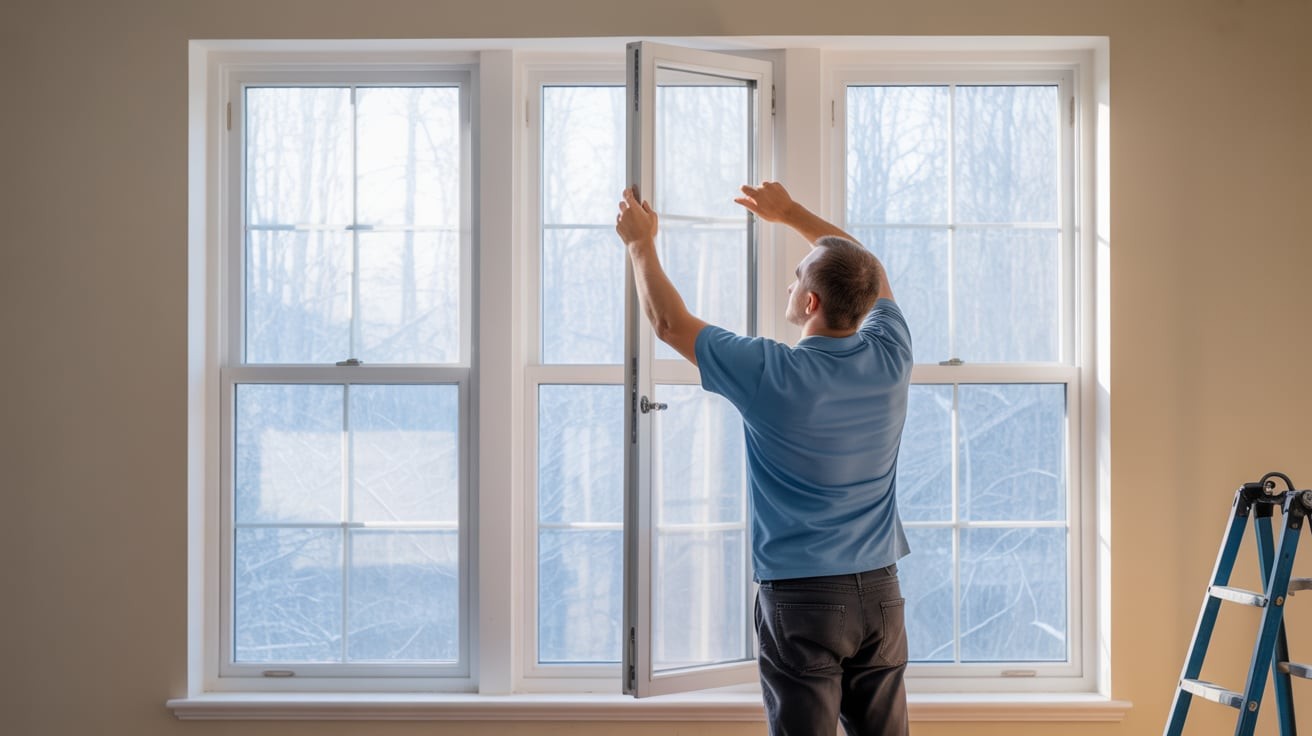
Window replacement sounds simple until the calendar starts moving. A homeowner expects a quick swap. The contractor mentions lead times, manufacturing, and scheduling. Then weather shows up, a trim decision changes the order, or the install team is booked out. That gap between expectation and reality is where most frustration lives.
The Measurement Visit – Getting Accurate Specs and Avoiding Surprises
A window measuring visit is more than a quick tape-measure stop. When it’s done right, it’s a short assessment of the entire opening, because the final fit depends on the frame and the surrounding structure, not just the pane size. The installer will check the rough opening, confirm the frame is still square, and look for signs the house has shifted over time. In older properties, they’ll also watch for moisture or wood damage that can sit hidden behind trim. Outside conditions matter as well. A second-floor window over dense landscaping or a narrow side access can change how the crew sets up and how long the work realistically takes.
Style choices can also tie into measurement decisions. Some openings suit certain profiles better, and local conditions play a role when homeowners compare options like double hung windows ottawa style upgrades that support ventilation and easy cleaning in a four-season climate.
What homeowners should prepare
A smooth visit starts with access. Furniture should be moved back from the windows. Blinds and curtains can stay, but keeping the space clear helps the measurer see trim lines and frame edges.
It also helps to bring notes. Where are drafts felt? Which windows have condensation between panes? Which rooms are loud from street noise? Those details guide recommendations on glass packages, weatherstripping, and frame type.
Questions are worth preparing too. Ask what is included in the install. Ask how interior trim will be handled. Ask what happens if hidden damage is found after removal. Those answers shape both timeline and budget.
The most useful output from the visit is not just numbers. The documented scope includes photos, model selections, glass options, hardware finishes, and trim requirements. When those details are captured early, fewer changes are needed later. That usually means fewer delays.
Quote and Scope – What’s Included, What’s Optional
Quotes often look similar at first glance, but “included” can mean different things. The timeline depends on scope, so it is important to understand what the quote actually covers.
A solid scope should specify removal and disposal of old units, installation labor, insulation around the frame, sealing and caulking, and any interior or exterior trim work. Some quotes include full trim replacement. Others assume existing trim will be reused. That difference can change install day length and the final look.
Upgrades also affect both price and timing. Glass packages, grille patterns, custom colors, and specific hardware can push an order from “fast” to “custom build.” The quote stage is the right time to decide those items. Changing them later can restart parts of the ordering process.
Payment milestones should be clear too. Deposits, progress payments, and final payment often tie to ordering and scheduling. A quote that explains these steps tends to signal a more organized timeline overall.
Ordering and Lead Times – Why “4–8 Weeks” Can Become 10
Once the quote is approved, the order moves to manufacturing or sourcing. This is where many homeowners lose patience, because the work is not visible. Still, lead time is real, especially when windows are custom-sized.
Stock sizes can move quickly. Custom sizes require fabrication. Specialty glass units, triple-pane options, certain coatings, or particular grille styles can add additional time. Hardware and custom colors can also extend lead time, since those parts may come from different suppliers.
Scheduling is another layer. Install teams plan routes, batch jobs by area, and leave room for weather windows. During peak seasons, even a ready order may wait for the next available install slot. That is why the most realistic timeline includes both manufacturing time and scheduling time, not just one number.
Installation Day – What Actually Happens in the House
Installation day can be smooth and fast. It can also reveal surprises. Knowing the steps helps homeowners plan realistically.
First comes prep. Floors are covered. Work areas are cleared. In some homes, furniture needs to be moved further than expected. Pets and kids should be kept away from work zones, because tools, glass, and open frames create hazards.
Then removal begins. Old windows come out, and the opening is inspected. This is where hidden issues can appear. Moisture damage, rot, or gaps around framing can require repair before the new unit can be installed correctly. That can add time. It can also be the difference between a clean install and a long-term draft problem.
Next is the install itself. The new window is set, leveled, and fastened. Insulation is applied around the frame. Sealing and exterior finishing follow. Finally, the unit is tested for smooth operation, locking alignment, and consistent seals.
Cleanup is part of the process. A professional team should remove debris, old materials, and packaging. Windows should be left usable, not just “installed.”
Final Walkthrough and Aftercare – Getting the Long-Term Results
The final walkthrough is where quality becomes visible. This is the moment to check function, finish, and comfort.
Windows should open and close smoothly. Locks should engage without forcing. Seals and caulking should look consistent. Trim should be clean and fitted properly. Glass should be inspected for defects, scratches, or fogging between panes.
Aftercare is simpler than many people think. Tracks should be kept clean. Caulk lines can be checked seasonally. Moving parts may need small adjustments as temperatures change, especially in climates with strong seasonal swings.
From Chaos to Clear Expectations
A window replacement timeline is not just “measure, order, install.” It is a sequence with decision points that affect lead time and outcomes. When measurement is thorough, scope is clear, and selections are finalized early, the process usually stays predictable. That is the real goal. Fewer surprises. Less rescheduling. And windows that perform the way they were expected to from day one.
