

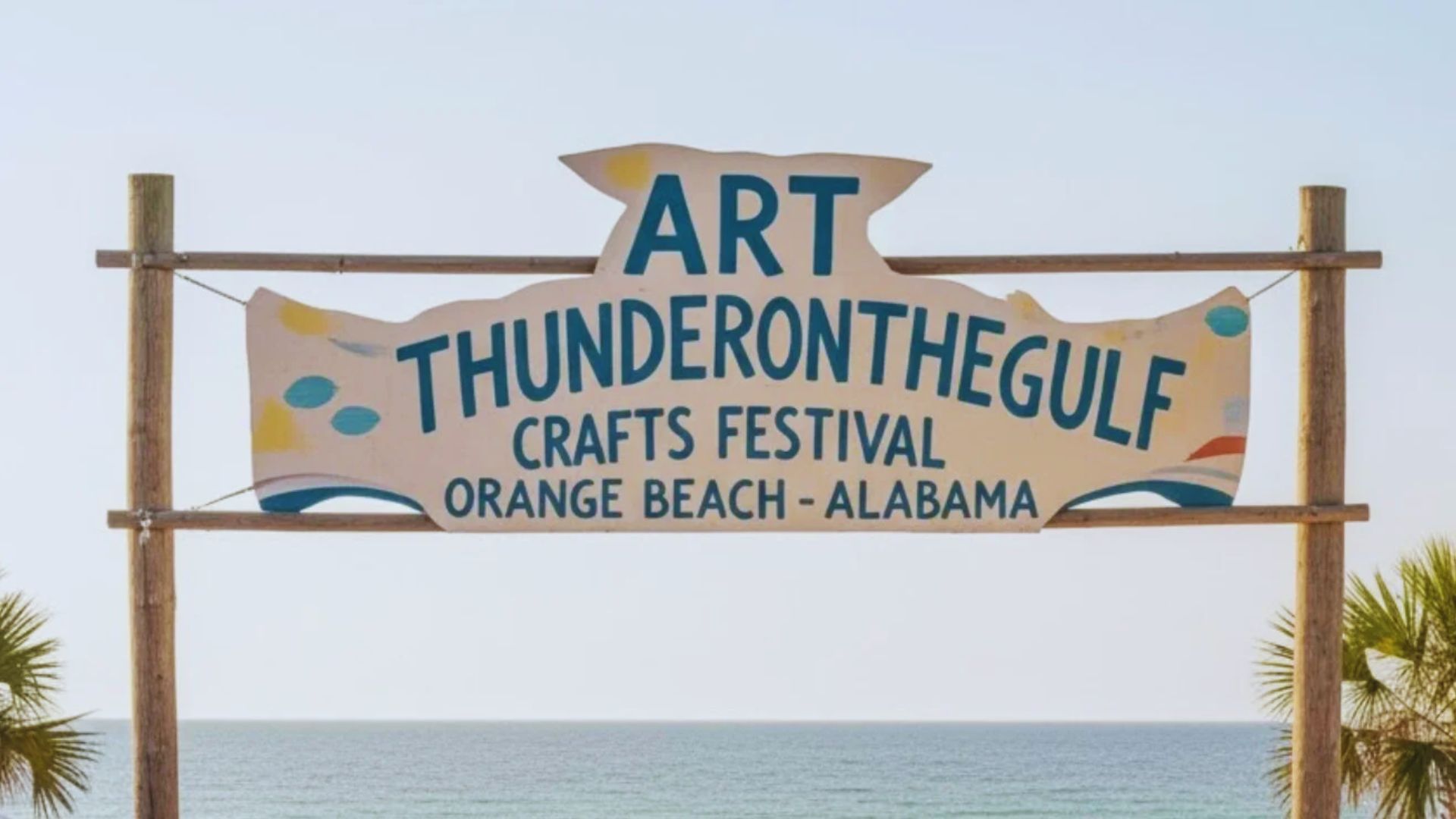
If you’ve heard about art thunderonthegulf craft and want to know what it really is, you’re in the right place. I’ll walk you through everything, from its Gulf Coast roots to why it still matters today.
This isn’t just history. It’s about real artists, local materials, and a craft that brings communities together.
You’ll learn what makes this art form special, how it started, and why people care about it. I’ve spent time looking into this tradition, and I’m here to give you clear, honest answers.
Let’s find what art thunderonthegulf craft means and why it deserves your attention.
What Is Art Thunderonthegulf Craft?
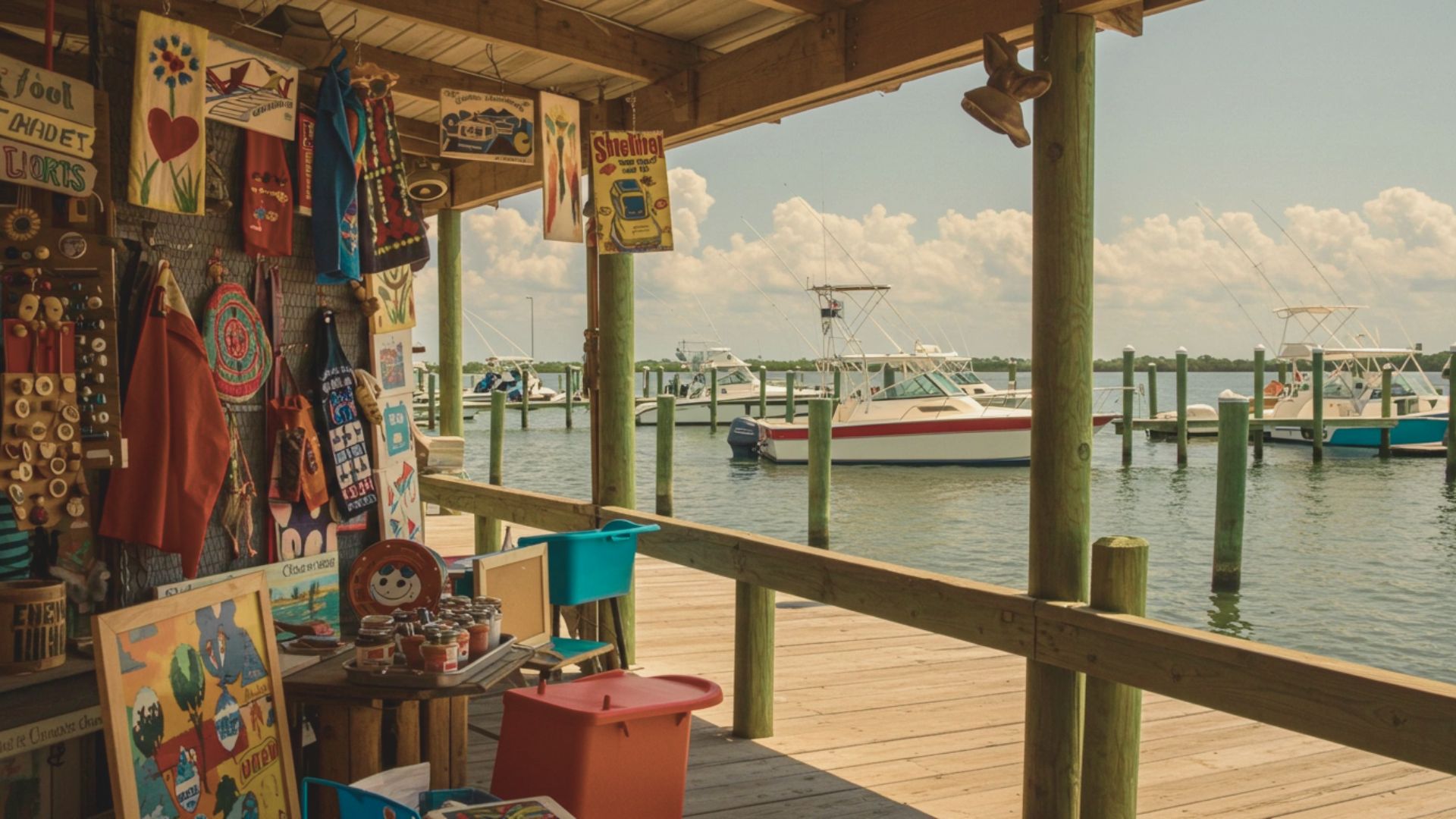
Art thunderonthegulf craft is a hands-on art tradition rooted in Gulf Coast culture that uses local natural materials to create meaningful, handmade pieces.
This craft combines traditional skills with materials found along the coastline. Artists work with what nature provides. They shape, carve, and build pieces that reflect the environment around them.
The Gulf Coast is where this craft took shape. Artists living near the water began using what they found on beaches and nearby areas. The materials came from the land and sea. That connection still defines the work today.
Artists use driftwood, shells, clay, and stone. Traditional methods include carving, sculpting, and weaving. These skills get passed down through generations.
Each piece reflects the artist’s connection to the Gulf Coast. The work isn’t mass-produced. It’s individual and intentional.
How Art Thunderonthegulf Craft Began
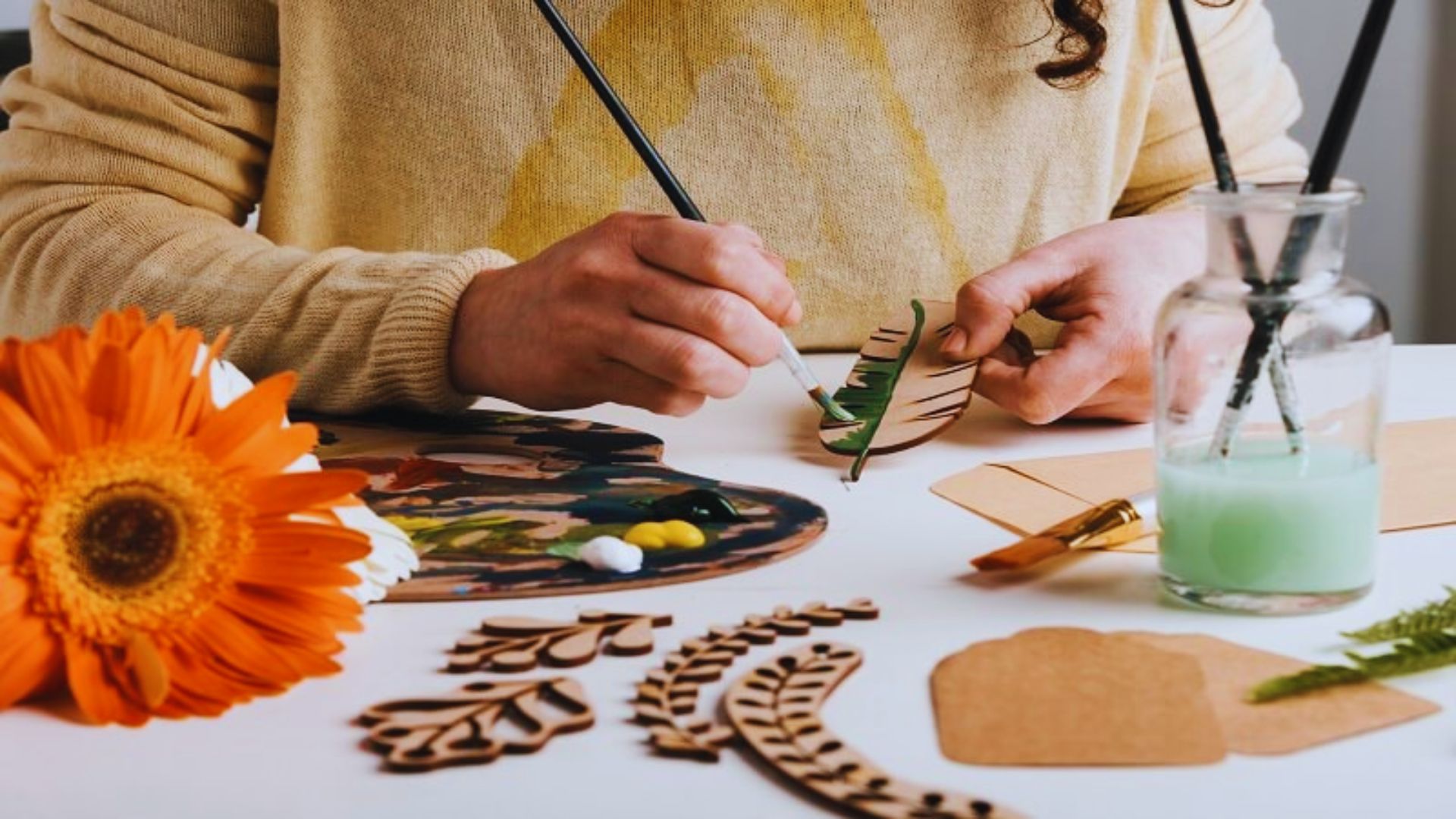
Coastal communities needed practical items. They made them from materials they could gather. Over time, these functional pieces became artistic.
People started valuing the craftsmanship itself, not just the utility.
Artists who lived near the water understood the materials. They knew how driftwood aged. They recognized which shells were sturdy. This knowledge shaped their techniques.
The environment became part of the creative process.
What started as a local skill gained attention. People outside the Gulf Coast noticed the quality and character of the work. The craft evolved but kept its roots.
Artists added new ideas while respecting old methods.
Materials and Methods Used
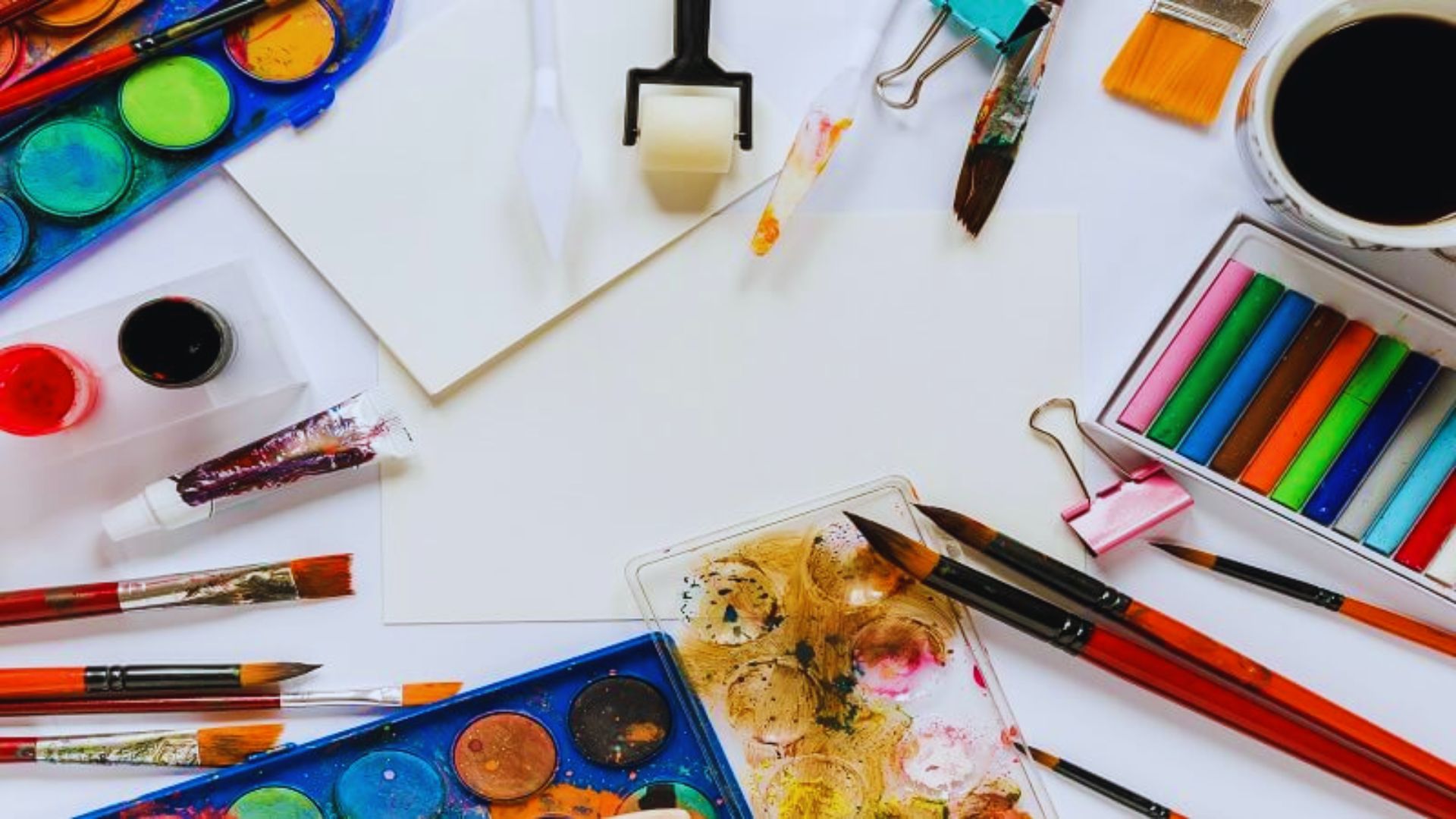
Artists combine natural coastal materials with time-tested techniques, creating pieces that honor tradition while allowing room for personal creative expression.
Driftwood provides texture and shape with patterns created by water and time. Shells and sea glass add color and detail, collected after storms or along quiet beaches. Clay and stone offer weight and structure with specific qualities artists learn to work with.
Traditional techniques include carving wood and stone into functional or decorative forms. Sculpting builds three-dimensional pieces from clay or softer materials.
Weaving uses natural fibers to create patterns and hold pieces together. Painting adds color using natural pigments or modern paints, from muted tones to bold colors.
Today’s artists respect tradition but aren’t bound by it. They experiment with new combinations. Some mix traditional carving with contemporary design. Others use recycled coastal materials in unexpected ways.
The core approach stays the same, but the results keep changing.
Why Art Thunderonthegulf Craft Matters
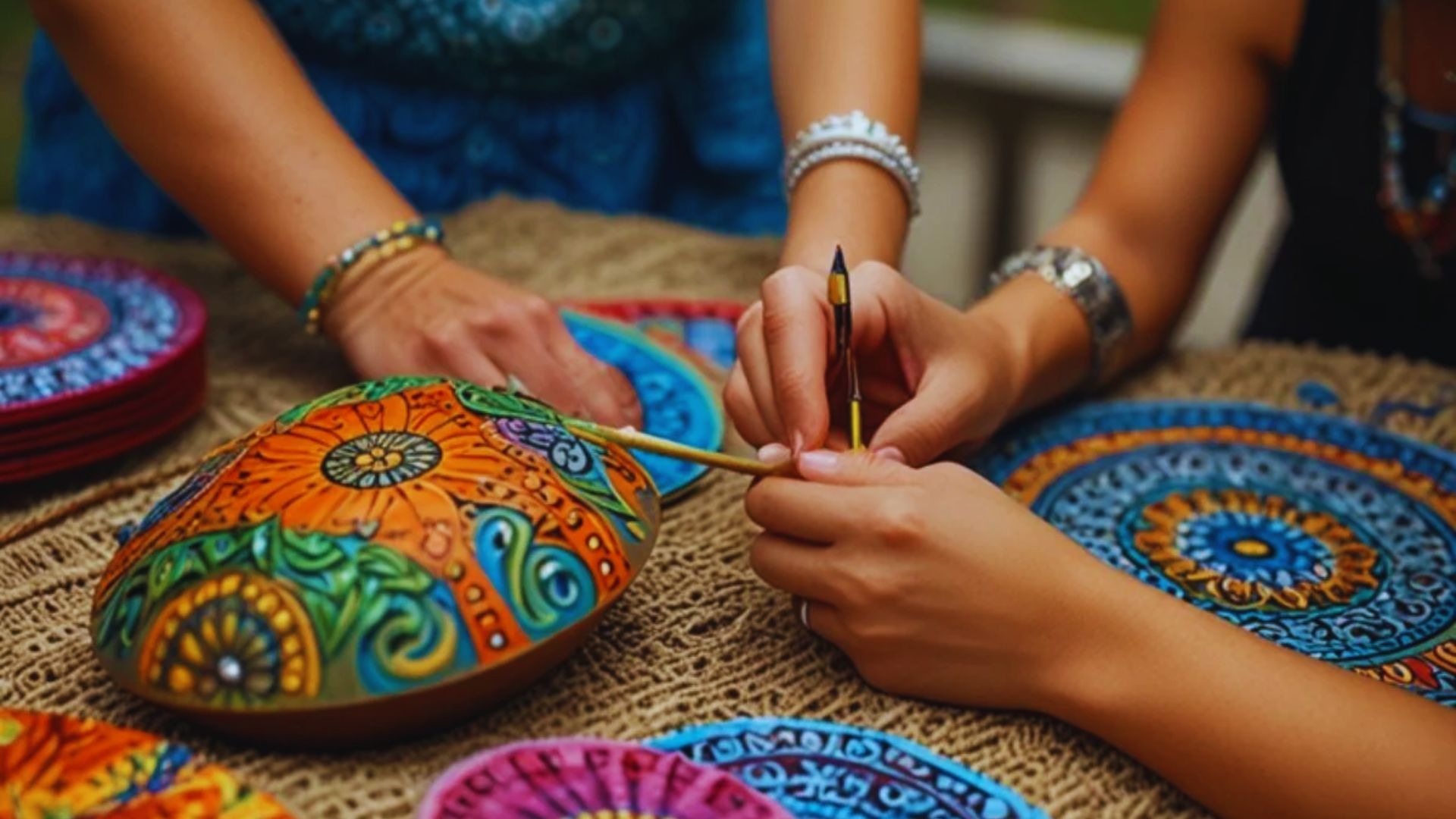
This craft preserves cultural identity, supports local communities, and creates meaningful connections through handmade art that reflects a specific place and its people.
Cultural Importance to the Gulf Coast
The craft tells the story of coastal life. It shows how people adapted to their environment. It honors the skills that kept communities working and creating.
For locals, these pieces represent home and heritage.
Preserving Traditions and Local Identity
When artists practice old techniques, they keep knowledge alive. Younger generations learn from experienced makers. The methods don’t disappear.
The identity of the region stays visible through the work.
Emotional and Storytelling Value of Handmade Art
Each piece carries meaning. An artist might carve driftwood found after a significant storm. A weaver might use materials from a family property. Buyers connect with these stories.
The art becomes personal, not just decorative.
Impact on Communities and Artists
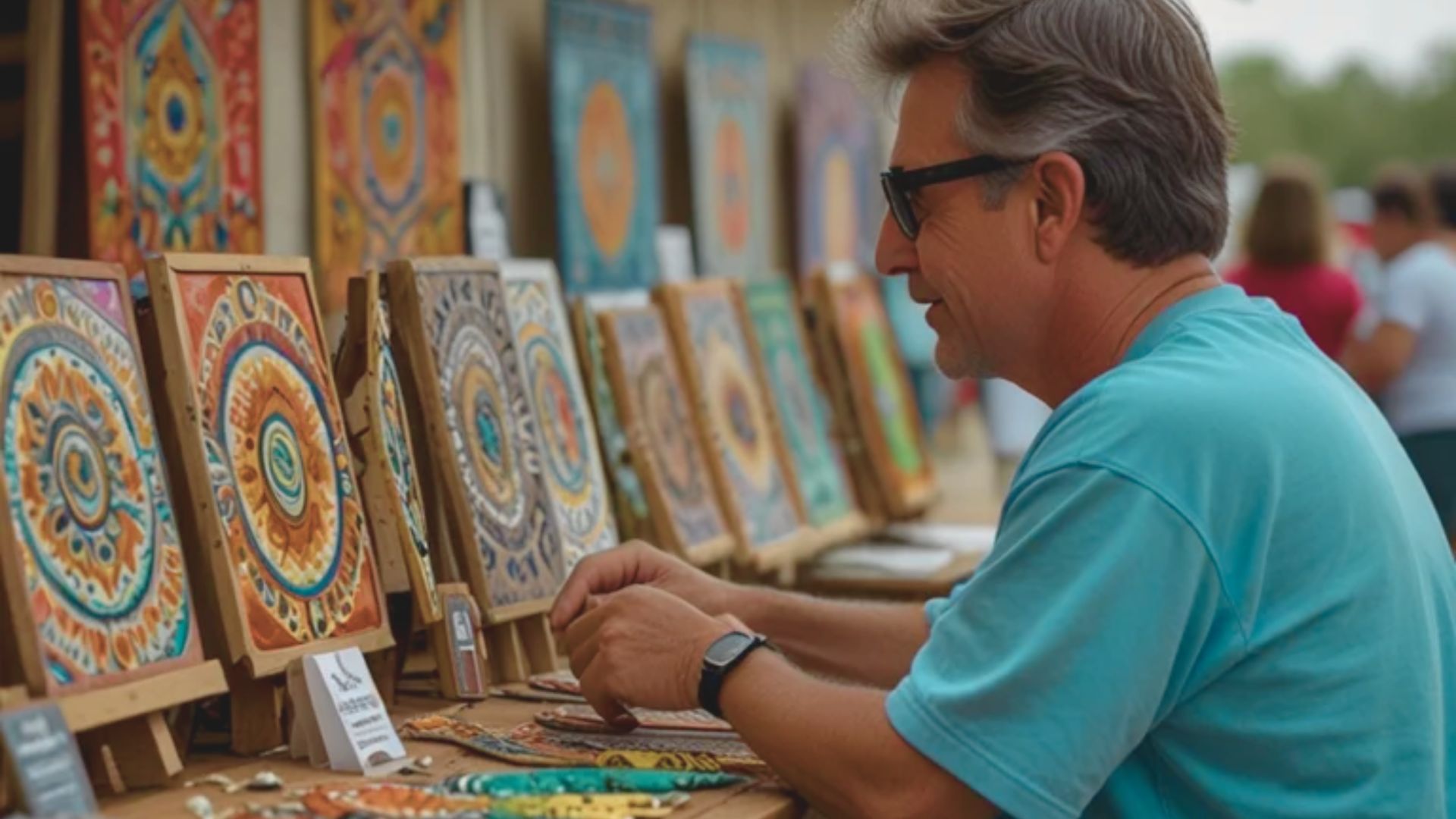
The craft creates economic opportunity, promotes environmental care, and builds social bonds through shared creative practices and local collaboration.
Supporting Local Creators and Livelihoods
Artists earn income from their work. Craft sales help families. Local markets and galleries provide selling opportunities.
Tourism brings buyers. The craft supports the economy in small but meaningful ways.
Encouraging Sustainable and Eco-Friendly Art
Using natural, found materials reduces waste. Artists gather what’s already there. They don’t need manufactured supplies.
This approach respects the environment. It shows that creativity doesn’t require excess.
Strengthening Community Connections
Craft events bring people together. Artists share techniques. Buyers meet makers. Workshops create learning spaces.
These interactions build relationships beyond transactions. The community grows stronger through shared appreciation.
Growing Interest Beyond the Gulf Coast
The craft attracts attention outside its home region because it offers authenticity, environmental consciousness, and a connection to place in an increasingly mass-produced world.
Collectors and art enthusiasts from other areas have noticed the work. Online platforms help artists reach wider audiences. Exhibitions in different cities introduce new people to the craft.
Other makers draw inspiration from Gulf Coast techniques. The use of natural materials influences artists working in different regions. The approach of respecting materials and place resonates with broader movements in handmade art.
People want authentic items with real stories. Handmade work from specific places connects buyers to a location and a person. That connection matters in a disconnected world.
How People Experience Art Thunderonthegulf Craft
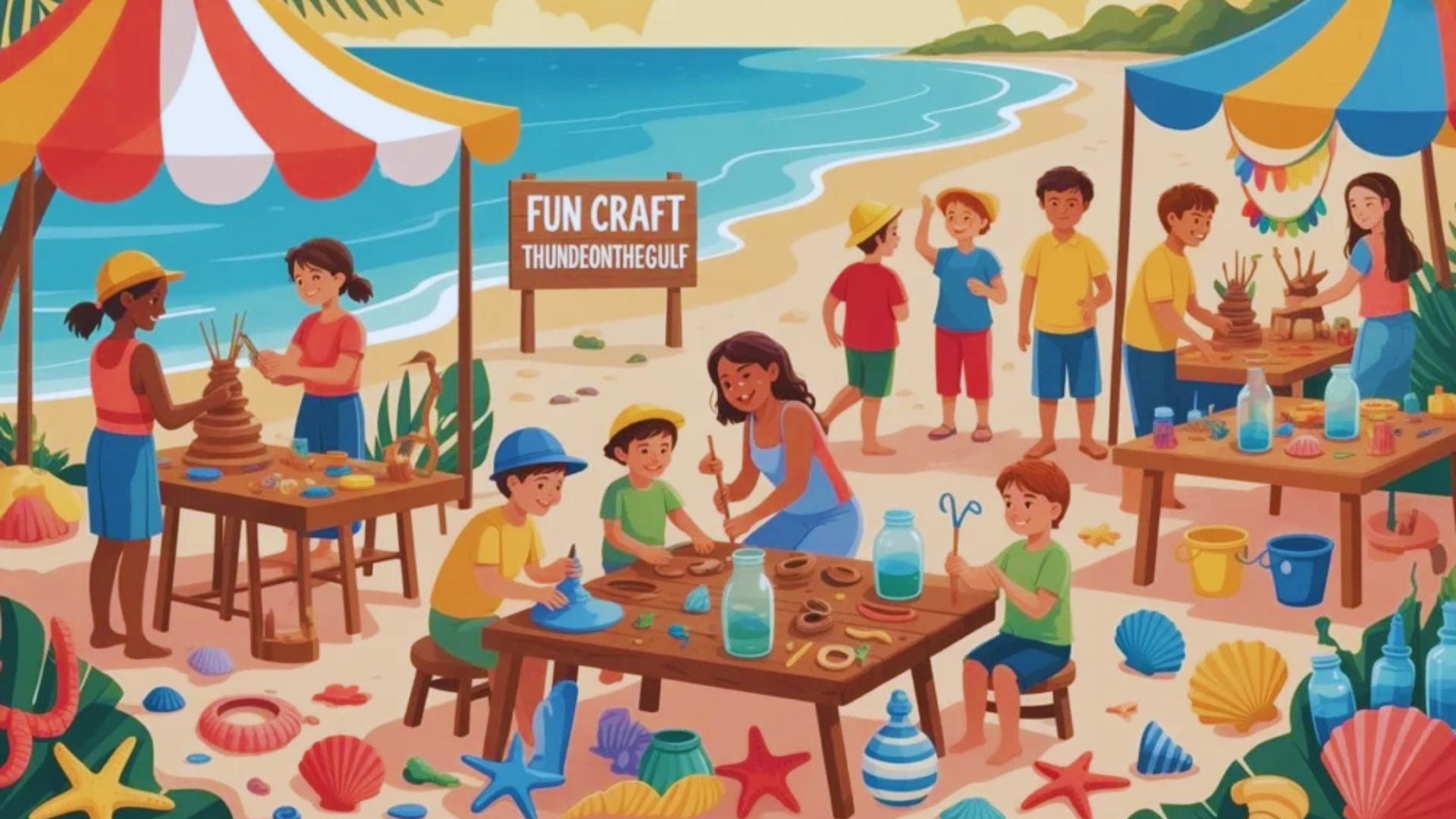
People engage with the craft through events, workshops, and direct interactions with artists, creating memorable experiences that go beyond simply viewing or buying art.
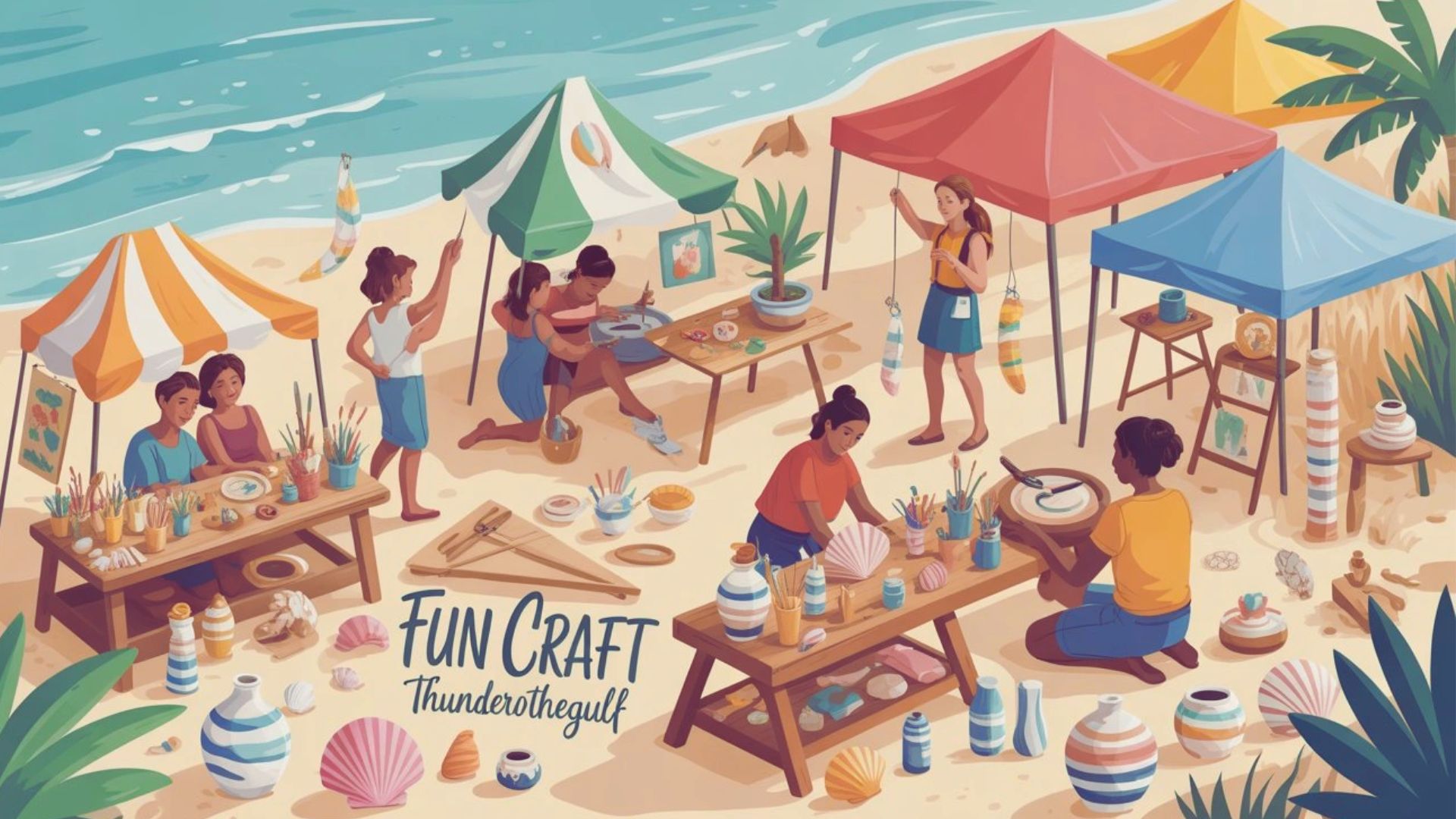
Gulf Coast festivals often feature art thunderonthegulf craft. Visitors see multiple artists in one place. They compare styles. They watch demonstrations.
These events celebrate the craft and introduce it to newcomers.
Some artists teach their skills. Workshops let people try carving or weaving. Demonstrations show the process from start to finish.
Participants gain respect for the time and skill involved. They leave with new knowledge.
Meeting the maker changes the experience. Artists explain their choices. They share where materials came from. They talk about what inspired a piece.
These conversations create deeper appreciation. Art becomes more than an object.
The Future of Art Thunderonthegulf Craft
The craft will continue by balancing innovation with tradition, teaching new generations, and staying relevant to changing communities while honoring its roots.
Artists will keep experimenting. New materials and methods will appear. But the foundation of local resources, handmade work, and cultural connection will remain.
Innovation doesn’t mean abandoning what works. It means building on it.
Mentorship matters. Experienced artists need to teach younger ones. Workshops and apprenticeships create learning paths. Videos, books, and demonstrations preserve techniques.
The craft survives when knowledge transfers.
Communities change. New people move in. Interests shift. The craft needs to stay meaningful. Artists must connect with current audiences while honoring the past.
Relevance comes from staying true to core values while adapting presentation and outreach.
Conclusion
Art thunderonthegulf craft isn’t just about making things. It’s about connection to place, to community, to the materials themselves. I’ve learned that this craft matters because it keeps traditions alive while allowing creativity to grow.
It supports artists and respects the environment. If you’re near the Gulf Coast, visit a craft fair. Meet the artists. Ask questions.
If you’re elsewhere, look for their work online. Support handmade art that tells real stories.
Share this post if it helped you understand why this craft deserves attention. Let’s keep these traditions going.
Frequently Asked Questions
What materials do artists use in art thunderonthegulf craft?
Artists work with natural coastal materials like driftwood, shells, sea glass, clay, and stone. These items are collected locally from beaches and nearby areas.
Where can I see art thunderonthegulf craft in person?
You can find this craft at Gulf Coast festivals, local galleries, and artisan markets. Many artists also offer studio visits or participate in regional art events.
Is art thunderonthegulf craft expensive to buy?
Prices vary based on size, complexity, and materials. Smaller pieces are affordable, while larger works cost more based on the artist’s skill and time invested.
Can beginners learn art thunderonthegulf craft techniques?
Yes, many artists offer workshops for beginners. You can learn basic carving, sculpting, or weaving techniques through simple starter projects.
How does art thunderonthegulf craft support the environment?
The craft uses found natural materials, which reduces waste. Artists work with what’s already available, creating a sustainable practice that respects coastal ecosystems.
