

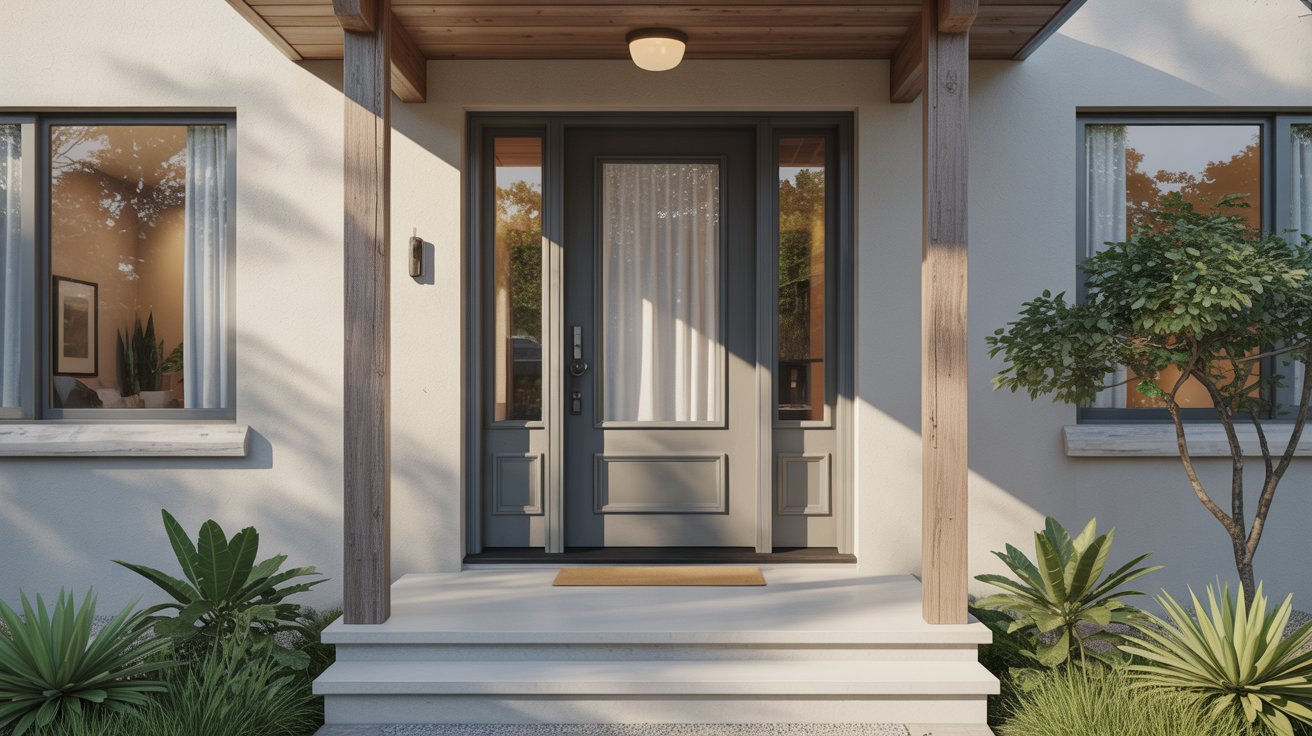
How wide is a front door? Most standard front doors measure 36 inches wide, but that’s not the full story. The right width depends on your home’s age, your accessibility needs, and how you use your entryway.
I’ll walk you through every standard size, from single doors to double entries. You’ll learn exactly how to measure your door, spot common mistakes, and pick the right width for your space.
This guide covers standard sizes, custom options, ADA requirements, and measurement tips so you can make a confident decision.
Let’s figure out what works best for your home.
Why Front Door Width Matters
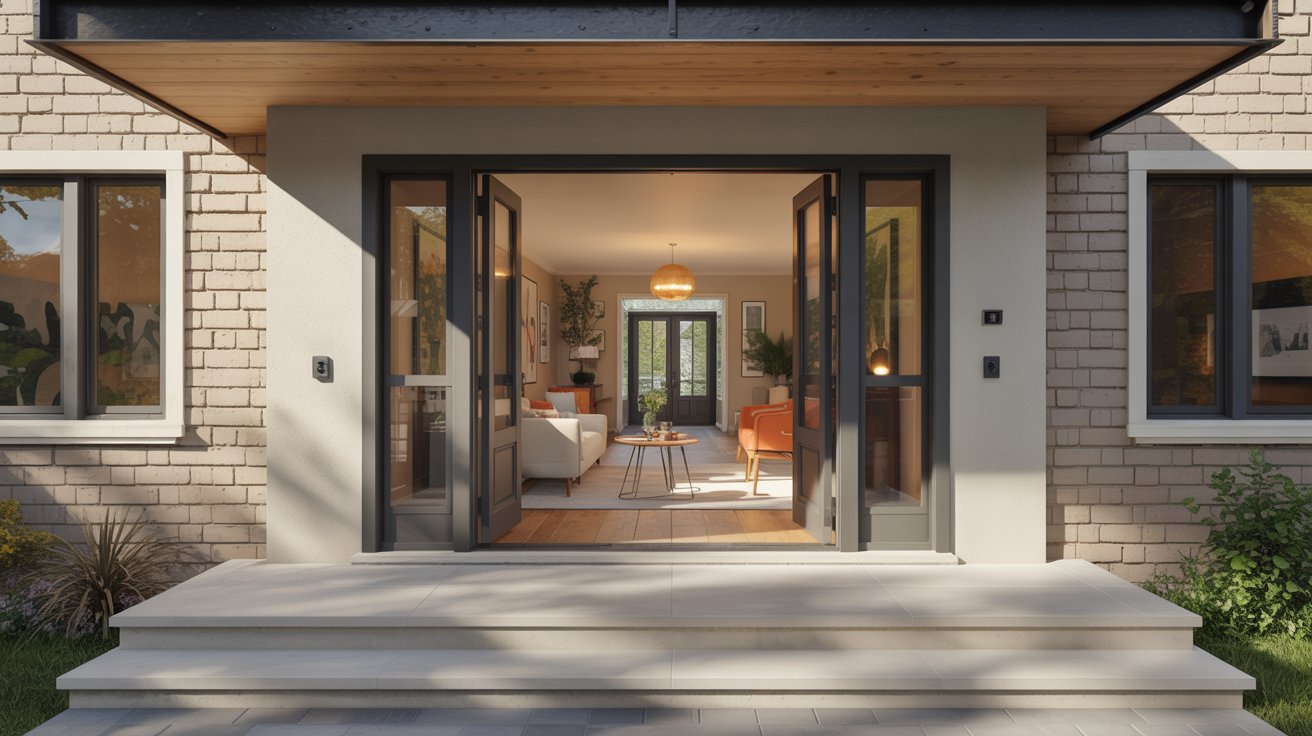
Door width shapes your daily life more than you might think. A properly sized door makes it easy to carry groceries, move furniture, and welcome guests without awkward squeezing.
The width affects who can comfortably enter your home. Narrow doors create barriers for wheelchairs, walkers, and strollers. Wide doors open up possibilities.
Your front door also sets the tone for your entire home. A too-small door on a large house looks odd. An oversized door on a cottage feels out of place.
From my experience, the right door width prevents future headaches. I’ve seen homeowners struggle to fit a new couch through a 30-inch door they thought was fine.
Standard Front Door Widths
Most homes use 36-inch single doors, but sizes vary based on home style and needs.
Typical Single Exterior Doors
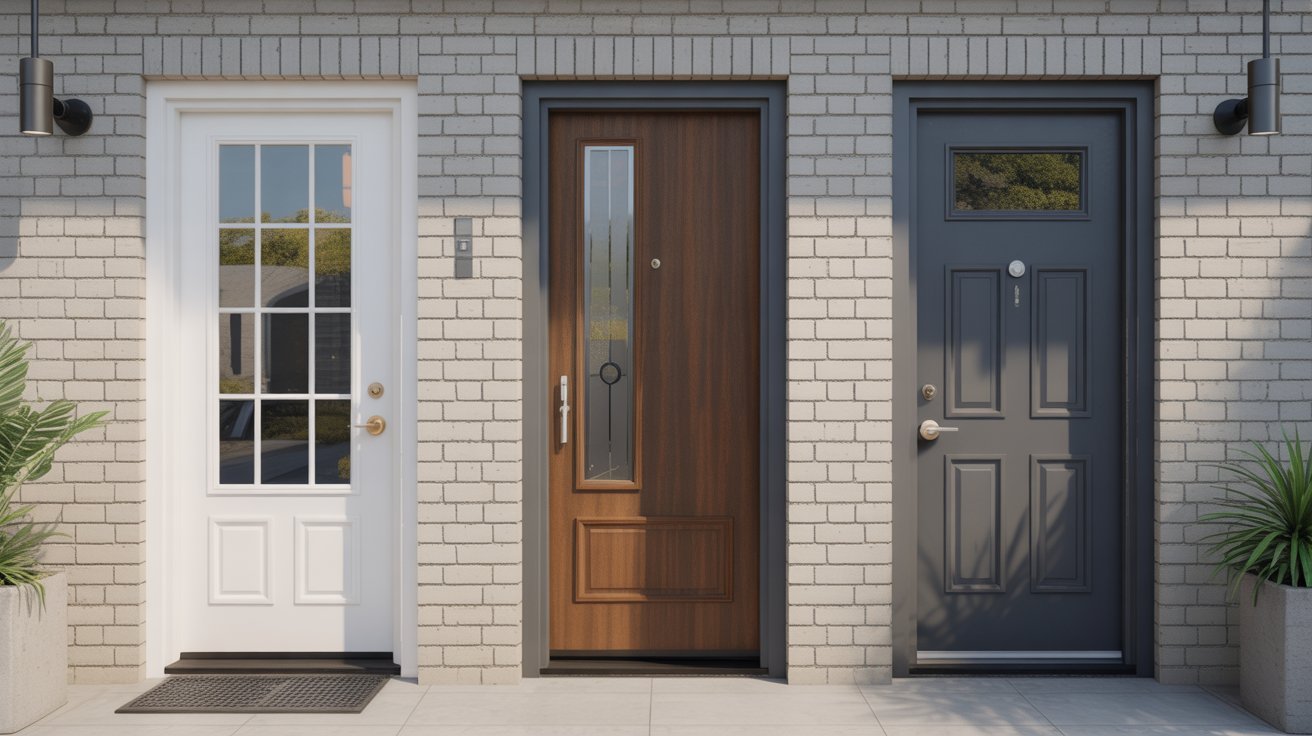
The 36-inch width dominates modern construction. This size became standard because it balances function with space efficiency.
You’ll find other common widths too. 30-inch and 32-inch doors appear in older homes, smaller entryways, and budget builds. 42-inch doors show up in luxury homes and commercial spaces.
Older homes often have 32-inch doors. Building codes have changed over decades. Modern homes lean toward wider openings for better accessibility.
Double Front Doors
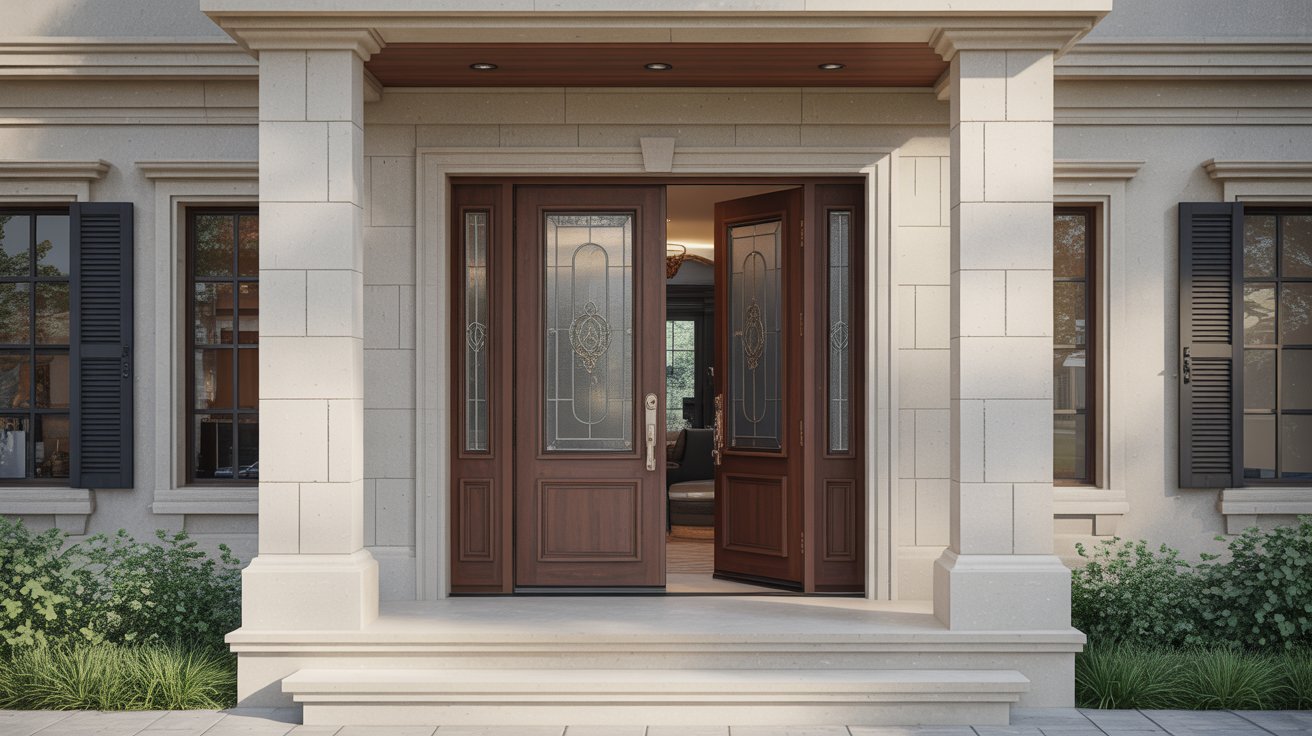
Double doors create a grand entrance. Each door typically measures 32 to 36 inches wide.
Total width ranges from 64 to 72 inches when you include both panels. This gives you a massive opening for large items and a bold visual statement.
One door usually serves as the active panel for daily use. The second door stays closed and opens when you need the full width.
Interior Door Widths
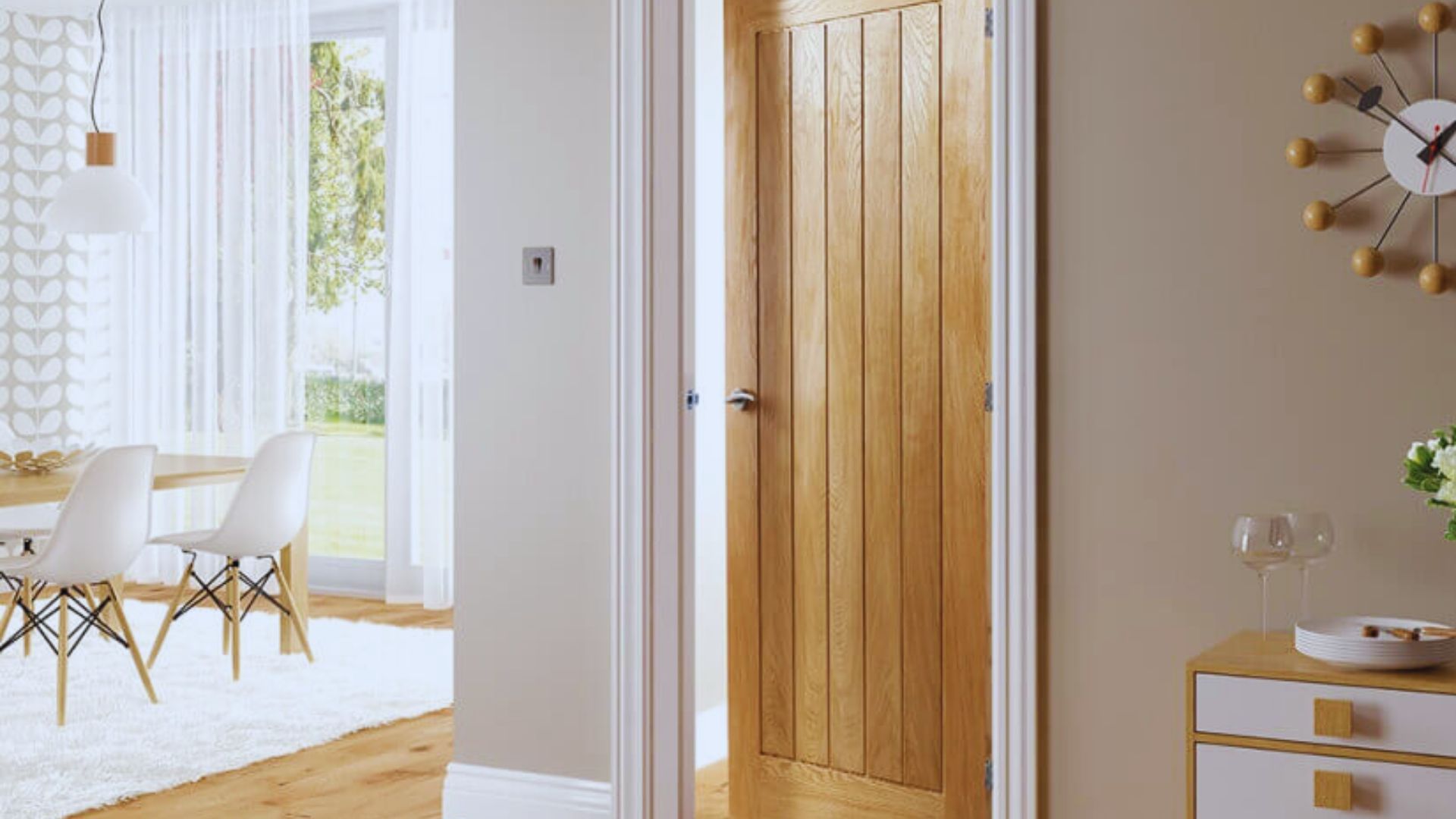
Interior doors run narrower than exterior doors. Common sizes include 24, 28, 30, 32, and 36 inches.
Bedrooms typically use 30 or 32-inch doors. Bathrooms often have 28 or 30-inch doors. Closets might use 24-inch doors.
Exterior doors need extra width because they handle more traffic, larger items, and serve as emergency exits. They also need thicker frames for better insulation and security.
Custom and Oversized Front Door Widths
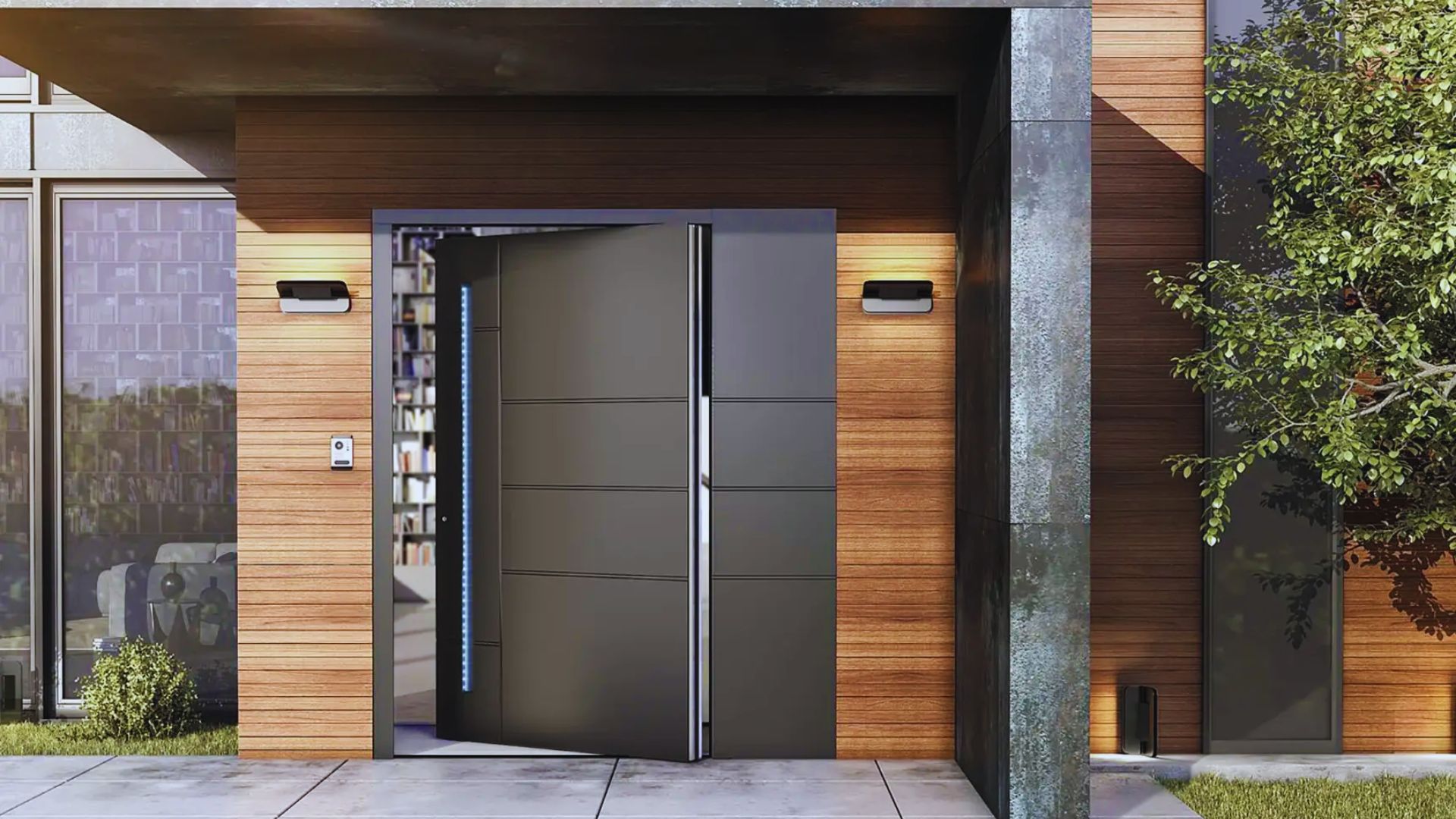
Standard sizes don’t fit every home. Custom doors range from compact 24-inch widths up to massive 48-inch or wider openings.
Pivot doors and luxury entries often exceed standard dimensions. These doors make bold statements and accommodate specific architectural needs.
You can order doors in 2-inch increments for a precise fit. This flexibility helps when dealing with unusual openings or historic homes.
Door height affects width recommendations. Taller doors often look better with added width to maintain proper proportions. Material matters too. Heavy solid wood or metal doors need sturdy frames regardless of width.
Accessibility Considerations for Door Width
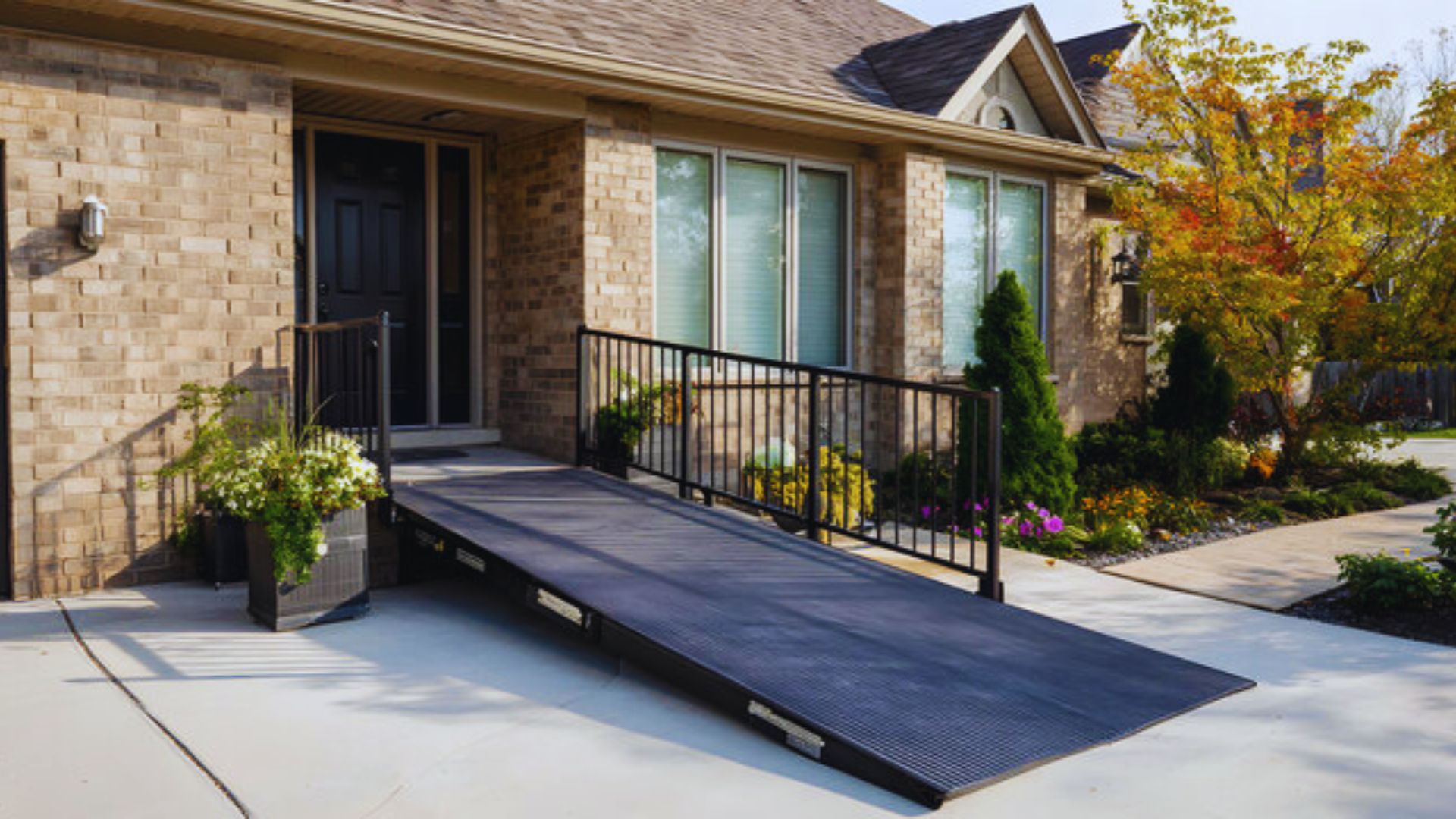
ADA guidelines recommend a 32 to 36-inch clear opening for wheelchair access. Clear opening means the actual passable space when the door is open 90 degrees.
The door itself might be 36 inches, but hardware, door thickness, and frame reduce the usable width. Always calculate the clear opening, not just the door panel size.
Smooth thresholds matter as much as width. A wide door with a high threshold still creates barriers. Universal design principles suggest minimal or zero-threshold entries.
Think about the full path, not just the door. Porches, steps, and landing areas need adequate width too.
How to Measure the Width of a Front Door
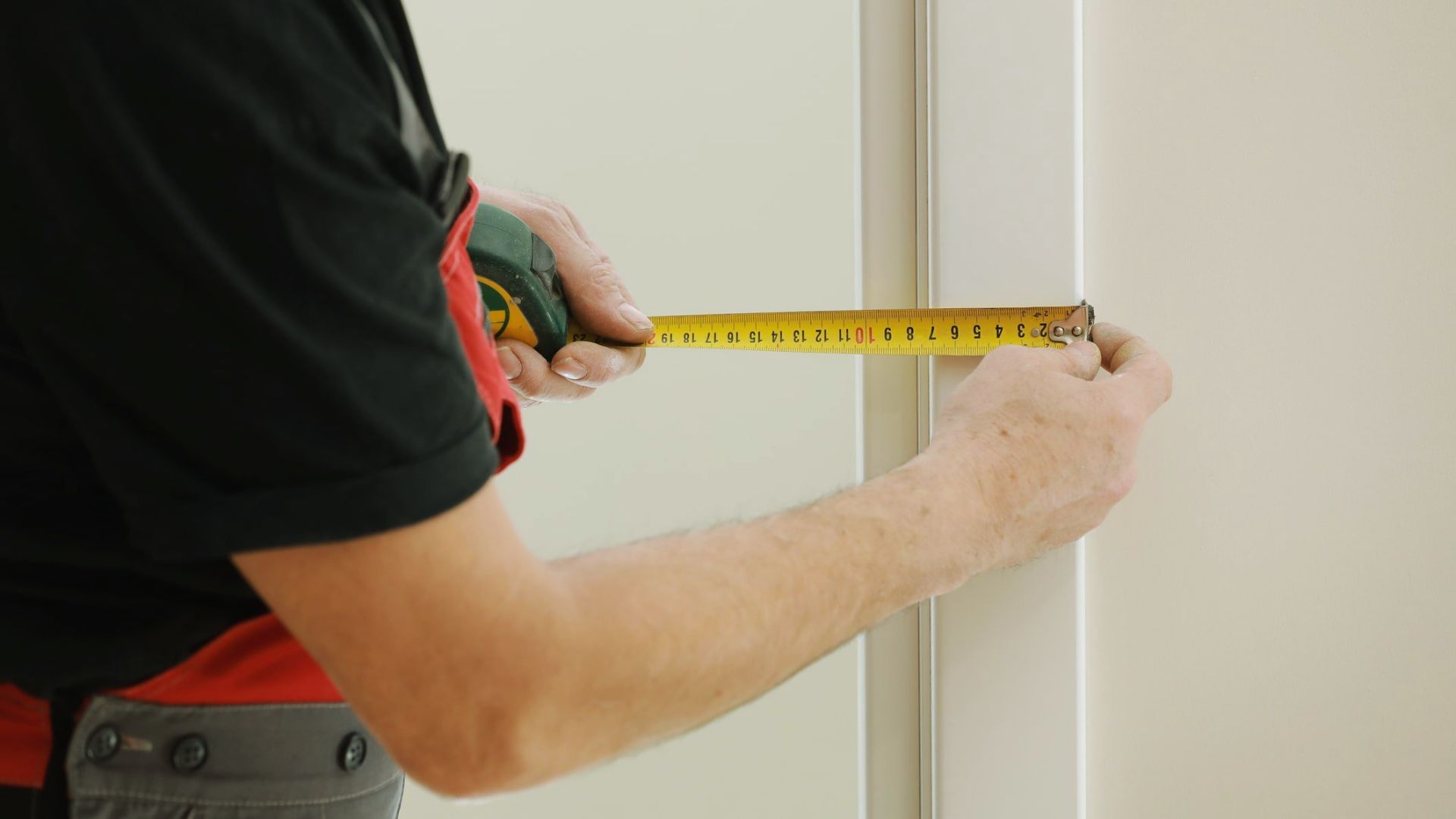
Accurate measurements prevent costly mistakes and ensure your new door fits perfectly.
Start with the door panel itself. Measure from the left edge to the right edge at three points: top, middle, and bottom. Doors can warp slightly, so check all three.
For replacement doors, measure the frame opening from inside the jamb on one side to the inside jamb on the other. This tells you the maximum door width that will fit.
Add 2 inches for rough-in measurement when planning new construction or major remodeling. This extra space accounts for the frame, shims, and adjustments during installation.
Watch out for common mistakes. Don’t measure where the door swings. Measure the opening itself. The swing arc needs clearance but doesn’t change the door width you need.
Don’t forget frame thickness. The visible opening is larger than the actual door that fits inside it.
Check manufacturer specifications because steel doors need different clearances than wood doors.
Record your measurements in inches and double-check before ordering.
Choosing the Right Width for Your Home
Pick a door width that matches your space, lifestyle, and long-term accessibility needs.
- Match door width to your entryway size. A massive door in a small space looks cramped while a tiny door on a wide porch looks lost.
- Check your foyer layout to ensure the door can swing fully open without hitting walls, furniture, or stairs.
- Consider function by asking if you can move furniture and equipment through easily.
- Think about access for everyone in your household, including those with wheelchairs, walkers, or strollers.
- Balance style so the door fits your home’s proportions and looks right from the curb.
- Plan for long-term needs since a door that works now might not work if someone develops mobility issues later.
- Get professional help for complicated situations like structural changes, custom sizes, and accessibility modifications. A contractor can spot issues you might miss.
Conclusion
Standard front doors measure 36 inches wide, but your needs might differ. Double doors span 64 to 72 inches, and custom options go even wider.
I learned this firsthand when helping my parents replace their old 32-inch door. The extra 4 inches made a huge difference for my dad’s wheelchair. Measure carefully, plan for accessibility, and think about long-term use.
What width did you choose for your front door? Drop a comment below and share your experience.
Frequently Asked Questions
What is the most common front door width?
The most common front door width is 36 inches. This became standard in modern homes for good accessibility and practical use. Older homes often have 32-inch doors instead.
Can I install a wider door in my existing frame?
You can, but it requires expanding the frame opening through structural work. This means removing part of the wall and adding new framing. A contractor can help with proper installation.
What width do I need for wheelchair access?
You need a 32-inch clear opening minimum, though 36 inches works better. Clear opening means the actual passable space when the door opens 90 degrees, not the door width itself.
Are double front doors worth the extra cost?
Double front doors cost more but make moving furniture easier and improve traffic flow. They work best in homes with wide entryways. Consider how often you’ll actually need the full opening.
How much wider is the door frame than the door?
The door frame is typically 2 inches wider than the door panel. This extra space allows room for the frame, shims for leveling, and installation adjustments.
