

I remember the first time a contractor mentioned brickmould during my door replacement project. I had no idea what it was.
If you’re wondering the same thing, you’re in the right place. Brickmould is that trim around your exterior doors and windows, and it does more than look good.
It protects your home from weather damage and seals gaps that could let drafts in.
In this guide, I’ll explain what brickmould is, the different materials you can choose from, and when you actually need it.
Understanding Brickmould Basics
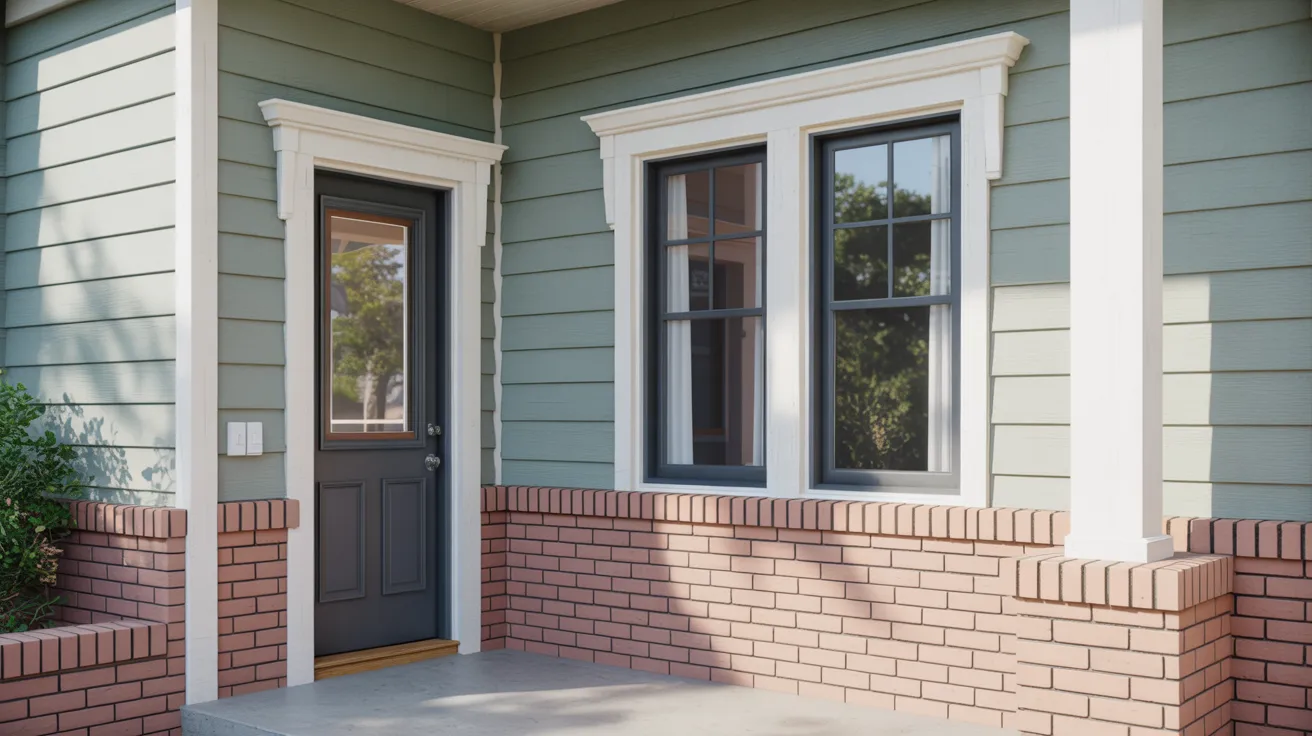
Brickmould might seem like a minor detail, but it plays a major role in your home’s exterior. This trim piece sits at the intersection of function and appearance.
It keeps water out while making your doors and windows look intentional and complete. Most homeowners don’t think about it until something goes wrong.
Let’s start with the fundamentals so you can see why this simple trim matters more than you might expect.
What Is Brickmould?
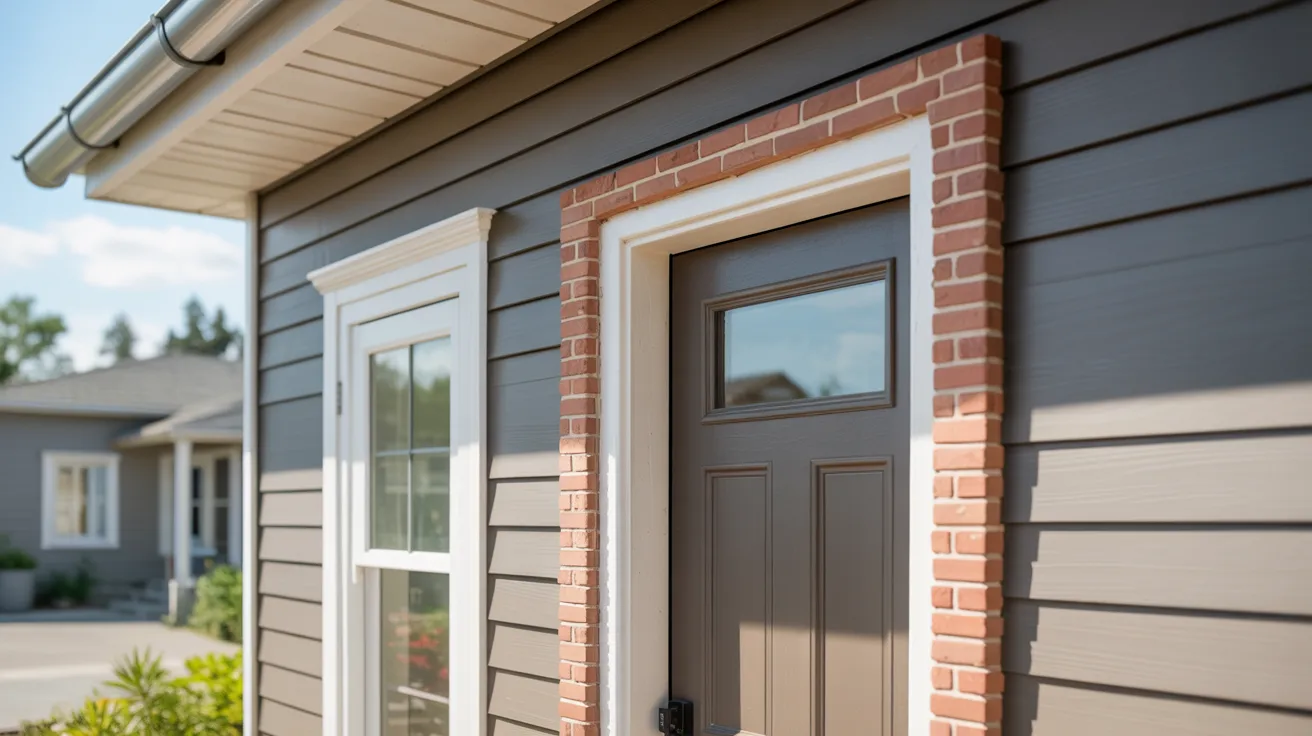
Brickmould is exterior trim that frames doors and windows, creating a finished look while protecting openings from the elements. It sits between your siding and the door or window frame.
Most people don’t notice it until they need to replace it, but it’s there on almost every exterior door you see.
The trim creates a clean border and covers the gap between your rough opening and the actual door or window unit. Without it, you’d see exposed framing and insulation.
The name comes from old construction methods. Back when brick was the main siding material, this trim helped create a smooth transition between brick walls and wooden door frames.
Even though most homes don’t use brick anymore, the name stuck.
What Does Brickmould Do?
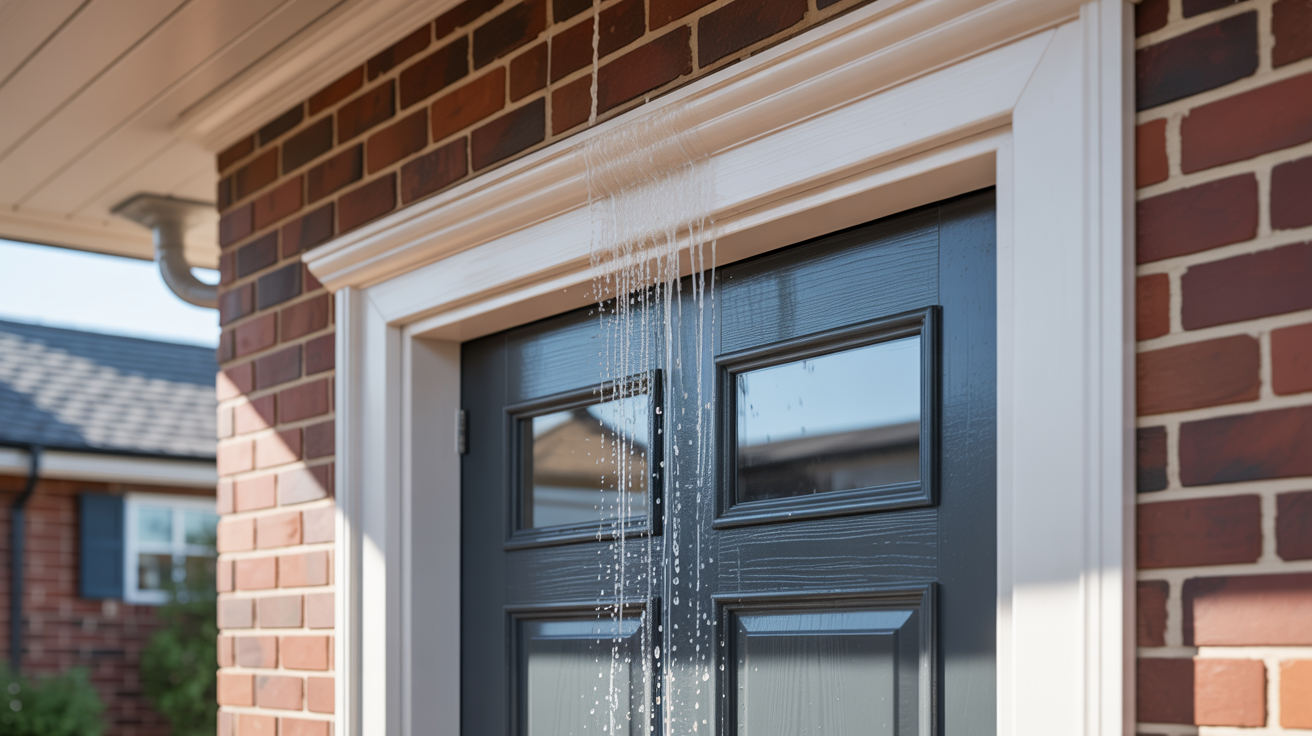
The main job of brickmould is protection. It shields the gap between your door frame and the rough opening from rain, snow, and wind. The trim acts as a barrier, keeping moisture from reaching the wood framing inside your walls.
This prevents rot, mold, and structural damage over time. Good brickmould can save you thousands in repair costs.
Brickmould also helps seal your home against drafts. When installed correctly with caulk and weatherstripping, it stops air leaks.
I noticed a difference in my own house after replacing the old, cracked brickmould. The door area felt less drafty, and my energy bills went down that winter too.
Beyond function, brickmould adds visual appeal. It frames your doors and windows like a picture frame. The clean lines give your home a finished, professional look.
Different styles can match your home’s architecture.
Common Brickmould Materials
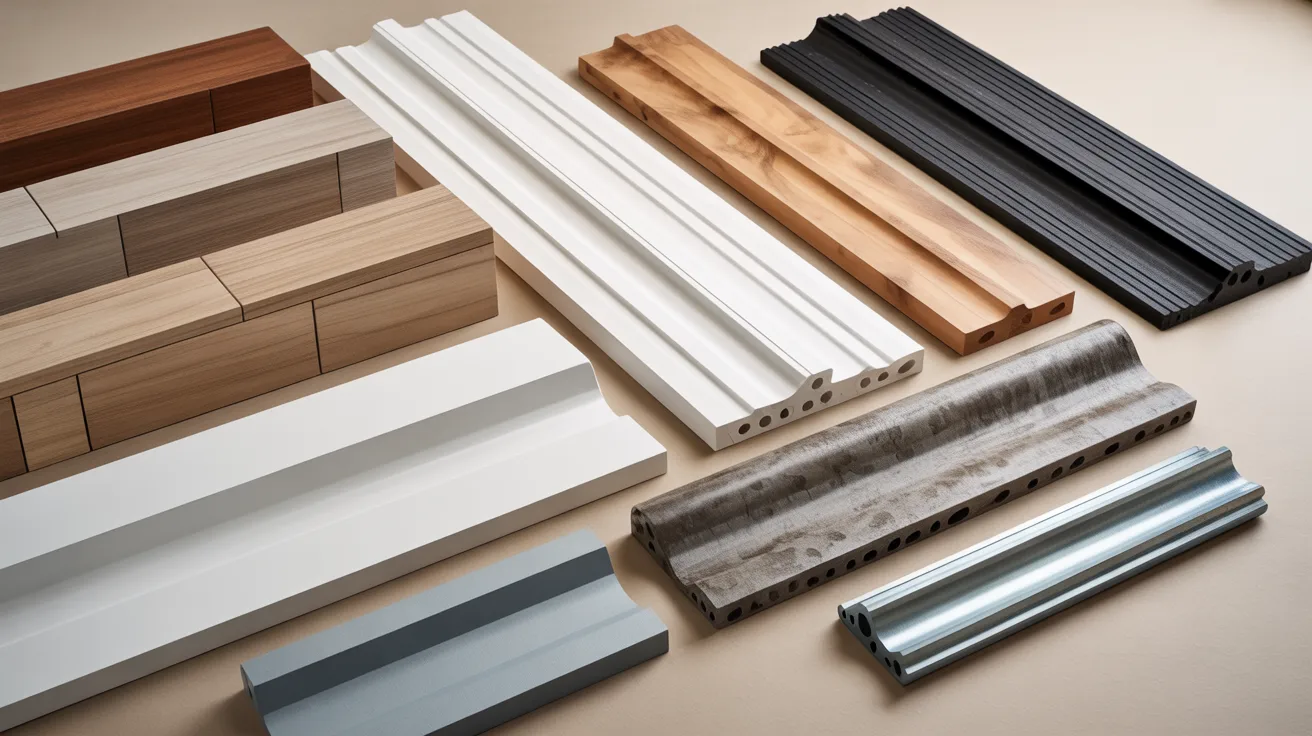
Brickmould comes in wood, vinyl, composite, aluminum, and fiberglass each offering different levels of durability, maintenance, and cost.
Wood Brickmould
Wood is the traditional choice. Pine and cedar are most common. Wood brickmould looks natural and you can paint it any color you want. It’s also easy to cut and shape during installation.
The downside is maintenance. Wood needs regular painting or staining and can rot if moisture gets in. In humid climates or rainy areas, wood brickmould requires more attention than other options.
Vinyl and PVC Brickmould
Vinyl brickmould is low maintenance. It won’t rot, and you never need to paint it. The color goes all the way through, so scratches don’t show as much. It’s also affordable compared to other materials.
PVC is similar but more durable and holds up better in extreme temperatures. Both work well for homeowners who want to install it and forget about it.
Composite Brickmould
Composite materials mix wood fibers with plastic resins. They look like real wood but resist moisture and insects better. You can paint composite brickmould just like wood.
This option costs more than vinyl but less than premium woods. The material won’t rot or split, but it still gives you that wood appearance many people prefer.
Aluminum and Fiberglass Brickmould
Aluminum brickmould is extremely durable and won’t rust or corrode. Contractors often use it in coastal areas where salt air damages other materials.
Fiberglass is the premium option. It’s tough, weather resistant, and can be molded into different profiles. Fiberglass lasts decades with minimal maintenance. The main drawback is cost. It’s the most expensive choice.
Brickmould Styles and Design Options
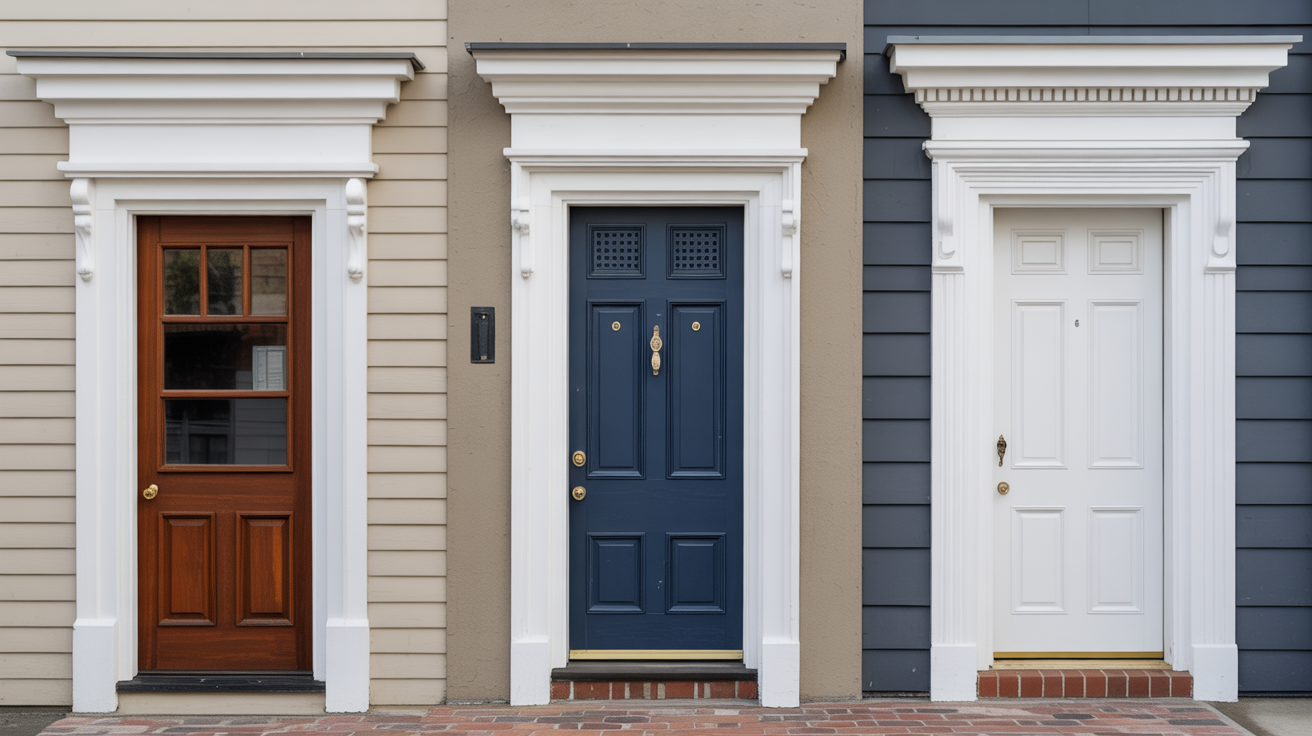
The most common brickmould is about two inches wide with a simple profile. It has a flat surface with slightly rounded or beveled edges.
This standard style works on most homes and looks clean without drawing too much attention.
Colonial style brickmould has more detail, including beading, grooves, or stepped profiles. These add visual interest and match traditional architecture.
Homes with historical character often use these decorative options.
Modern homes often use flat, simple brickmould. Some skip it entirely for a clean look. Contemporary designs favor straight lines and minimal ornamentation.
Some homeowners order custom brickmould to match specific architectural details, though this costs significantly more.
When You Need Brickmould
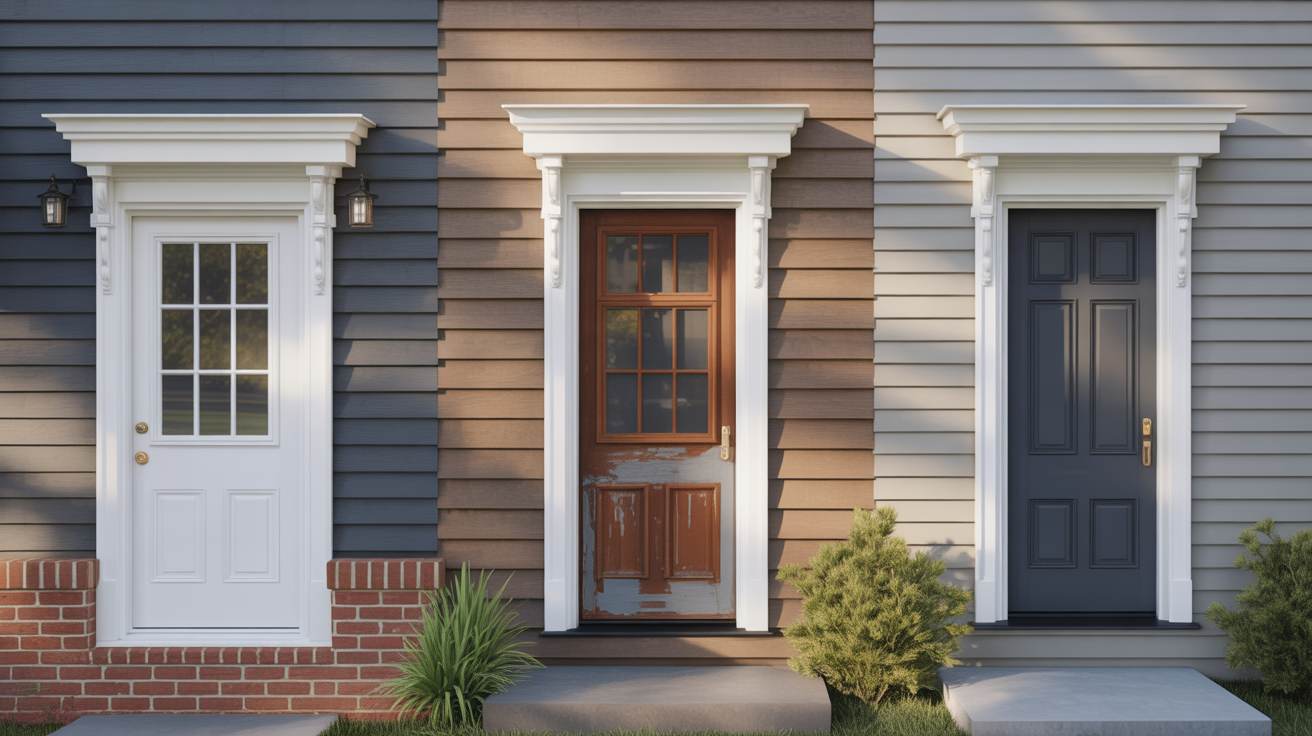
Any new exterior door installation requires brickmould. It’s part of the complete assembly. Window installations may or may not include it, depending on your home’s style and preference.
When replacing an old door, you’ll likely replace the brickmould too. Old trim often shows wear, cracks, or rot. Renovation projects are a good time to upgrade your brickmould material.
If you had wood that kept rotting, switch to vinyl or composite. I did this on my back door and haven’t worried about it since.
Some doors come without brickmould. These are called “flat jamb” units that sit flush with your siding. This works for certain modern designs, but most homes look better with brickmould.
Installation and Maintenance
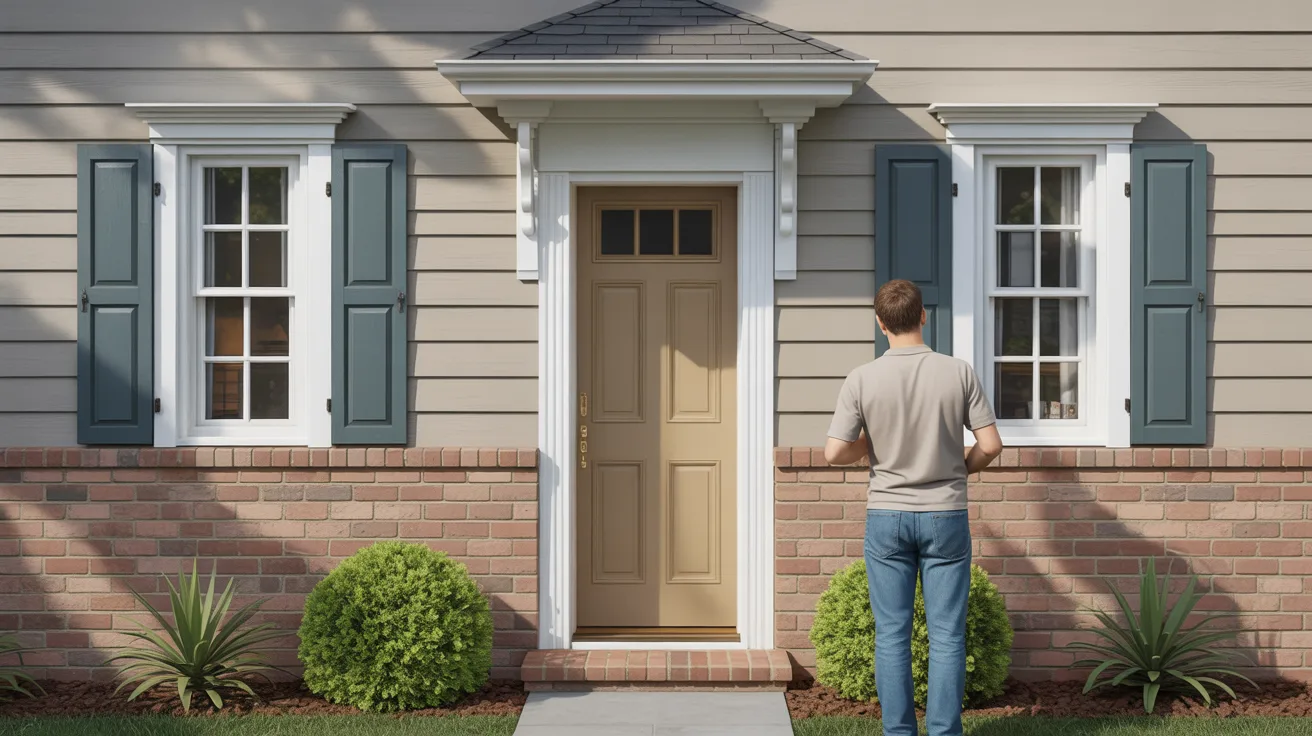
Installation starts with the door frame. The brickmould attaches to the outer edge using nails or screws. Installers cut the corners at 45-degree angles for clean mitered joints.
Caulk goes between the brickmould and the door frame, creating a waterproof barrier.
Brickmould works with vinyl, wood, fiber cement, brick, and stucco siding. Each type requires slightly different installation techniques, but a good installer knows how to make each combination look seamless.
Maintenance Tips
Check your brickmould twice a year. Look for cracks, gaps, or peeling paint. Press on wood trim to feel for soft spots that indicate rot. Pay extra attention to the bottom piece where water collects.
Wood brickmould needs fresh paint every few years. Check caulk lines annually old caulk cracks and pulls away. Scrape out failed caulk and apply fresh beads to prevent water damage. Vinyl and PVC trim just need washing with soap and water.
Small cracks can be filled with wood filler or caulk. But if more than 25% of the trim shows damage, replacement makes more sense than repair.
Conclusion
A year ago, I replaced the brickmould on the rear of my home. What a difference! Everything seems tightly fitted and cleaner than before. Plus, kiss those annoying drafts goodbye!
If you see cracks and/or if you are feeling draft coming from around your doors then don’t be like me and wait. These small problems can grow into something bigger real quick.
This weekend take some time to check your trim and see if you have any issues that require fixing.
Not sure what material is best suited for where you live? Leave a comment below and I will assist you in deciding.
Frequently Asked Questions
Can you install a door without brickmould?
Yes, some doors are designed to install without brickmould. These flat jamb units work for modern homes but offer less weather protection.
How long does brickmould typically last?
Wood brickmould lasts 10-20 years with maintenance. Vinyl and composite can last 30+ years. Aluminum and fiberglass can last 50 years or more.
Can I paint vinyl or PVC brickmould?
You can paint vinyl brickmould, but it’s not necessary and may void warranties. Use paint specifically formulated for vinyl if you do.
What causes brickmould to rot?
Water is the main cause. Failed caulking, missing paint, or poor drainage lets moisture into the wood, leading to fungus growth.
How much does it cost to replace brickmould?
Materials cost $2-10 per linear foot. Professional installation adds $5-15 per linear foot. A typical door might cost $100-400 total including labor.
