

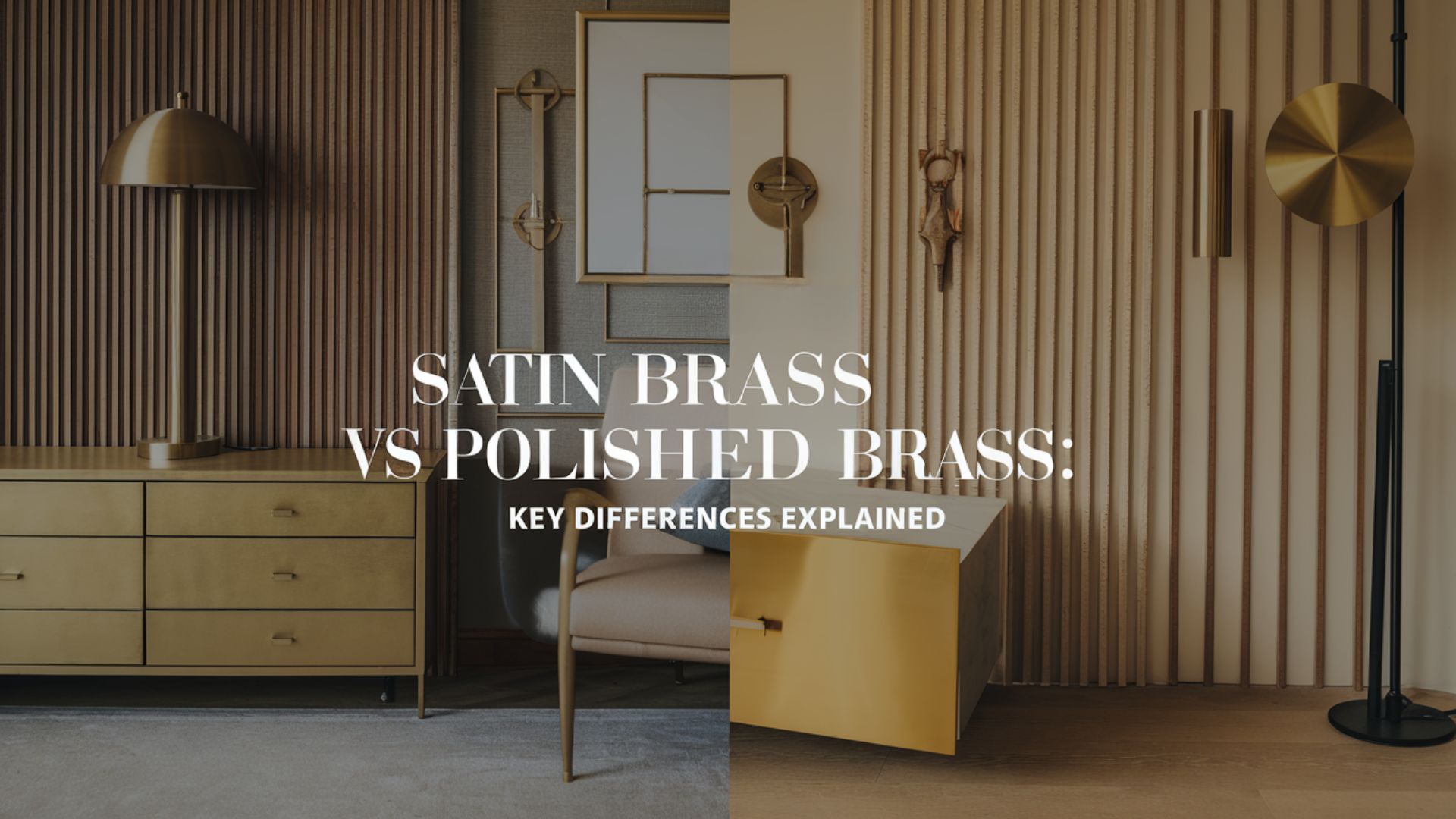
Brass has been a favorite in homes for years, and for good reason. It brings warmth and a timeless look to any room.
When I first started looking at brass fixtures for my own home, I felt a bit overwhelmed. Satin brass, polished brass, what’s the real difference?
If you’re in the same boat, you’re not alone. These two finishes might seem similar at first glance, but they create completely different vibes in your space.
Let me walk you through what sets them apart, from how they look to how much care they need.
What Is Satin Brass?
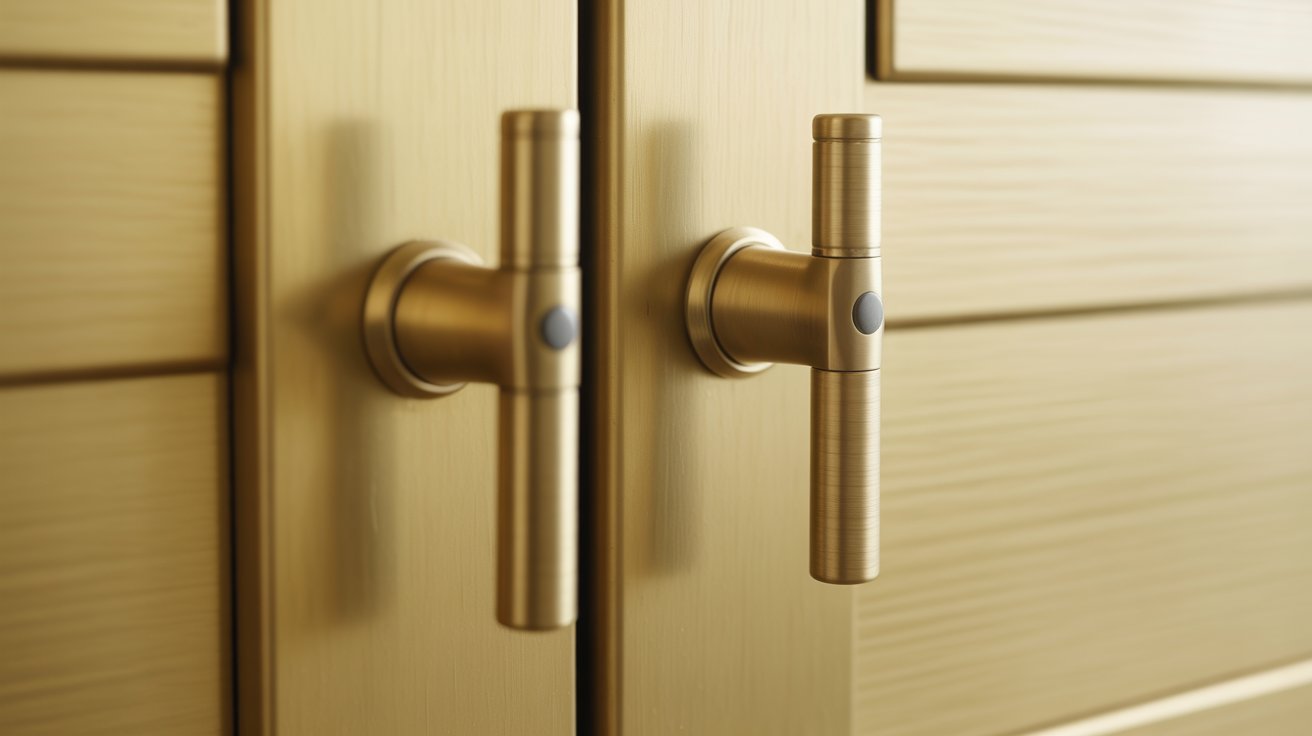
Satin brass is sometimes called brushed brass. It has a soft, muted finish with gentle golden tones that don’t shine too brightly.
The brushed texture gives it a refined look without being flashy. This makes it a great fit for modern homes, transitional spaces, and minimalist interiors.
One of the best things about satin brass is how practical it is. The finish naturally hides fingerprints, water spots, and small scratches. This makes it perfect for busy areas like kitchens and bathrooms where hardware gets touched frequently.
What Is Polished Brass?
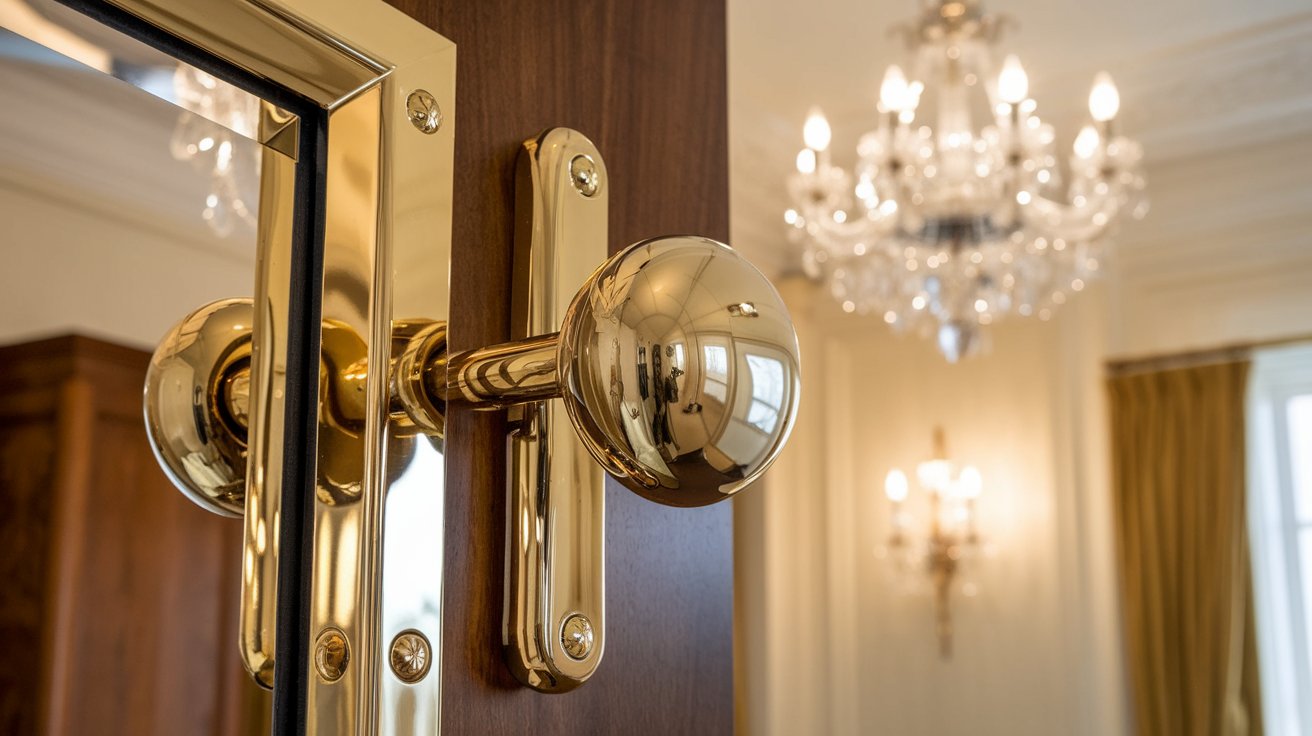
Polished brass has a high-gloss, mirror-like finish that screams luxury. The reflective surface catches light and draws the eye immediately.
This finish works beautifully in traditional, formal, or glamorous interiors. It’s made for spaces where you want to create a bold statement.
Keep in mind that polished brass needs more upkeep than satin. Fingerprints, dust, and smudges show up easily on that shiny surface. You’ll need to clean it more often to maintain the brilliance. But if you’re looking for a finish that creates a striking focal point, polished brass delivers.
Key Differences Between Satin Brass and Polished Brass
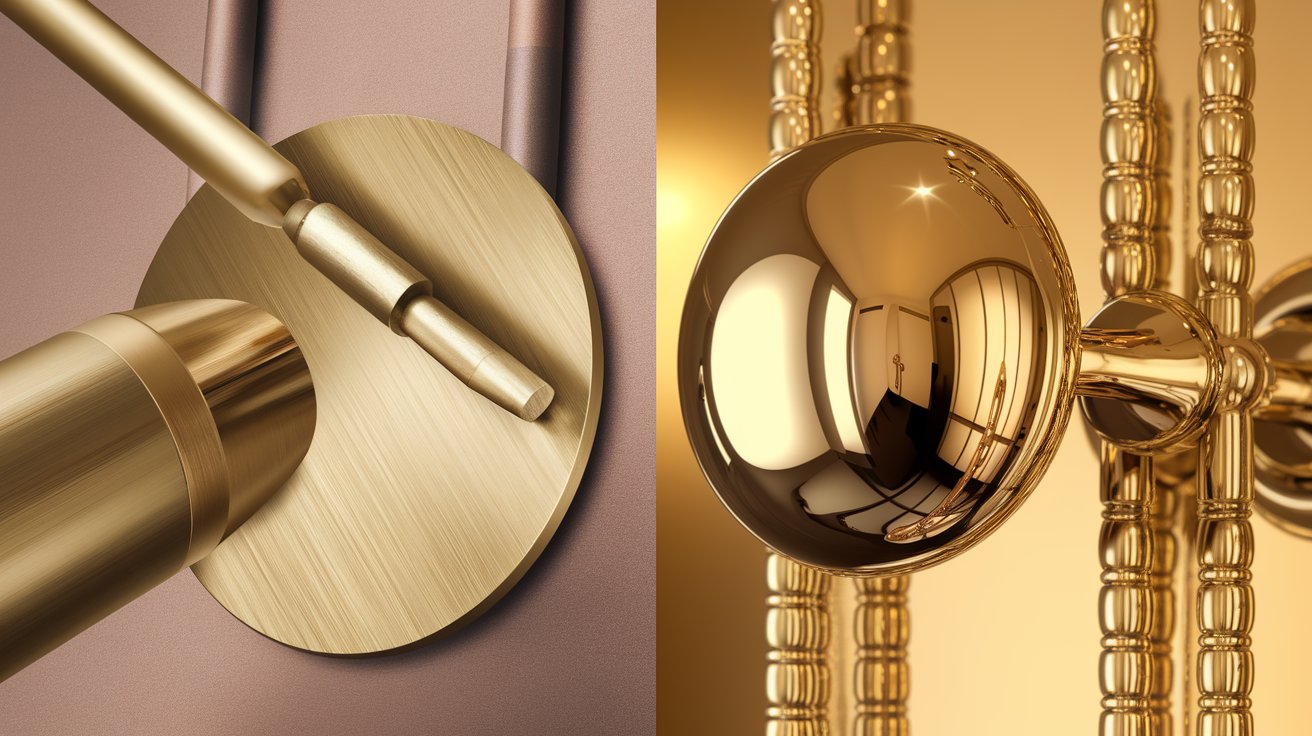
Compare the main differences between satin and polished brass finishes, including how they look, their care needs, and best uses.
Appearance and Finish
Satin brass has a soft, brushed texture that gives off warm golden tones. The finish is muted and understated, which makes it work well in modern or transitional homes. It doesn’t grab attention but adds a nice touch of warmth.
Polished brass is the opposite. It has a high-gloss, mirror-like shine that catches the light. This finish is bold and luxurious, perfect for traditional or formal spaces where you want to make a statement.
Maintenance Requirements
Satin brass is much easier to maintain. The brushed texture hides fingerprints and small scratches naturally. You can keep it looking good with just a damp cloth every now and then.
Polished brass needs more attention. It shows every fingerprint, dust particle, and smudge. You’ll need to clean it regularly to keep that shine. Some people use brass polish or apply a lacquer coating to protect the finish and reduce maintenance.
Design Versatility and Applications
Satin brass fits beautifully in modern bathrooms and contemporary kitchens. It works well for drawer pulls, light fixtures, and cabinet hardware. The finish blends nicely with neutral color schemes without competing for attention.
Polished brass shines in more formal settings. Think grand entrance doors, chandeliers, statement lighting, and furniture accents. It creates a focal point in any room and adds a sense of luxury. This finish works best when you want the hardware to stand out.
Quick Comparison Table: Satin Brass vs Polished Brass
| Feature | Satin Brass | Polished Brass |
| Finish | Brushed, muted | High-gloss, reflective |
| Visual Impact | Subtle, warm | Bold, luxurious |
| Maintenance | Low | High |
| Style Suitability | Modern, transitional | Traditional, formal, glam |
| Fingerprint Visibility | Low | High |
Choosing the Right Finish for Your Space
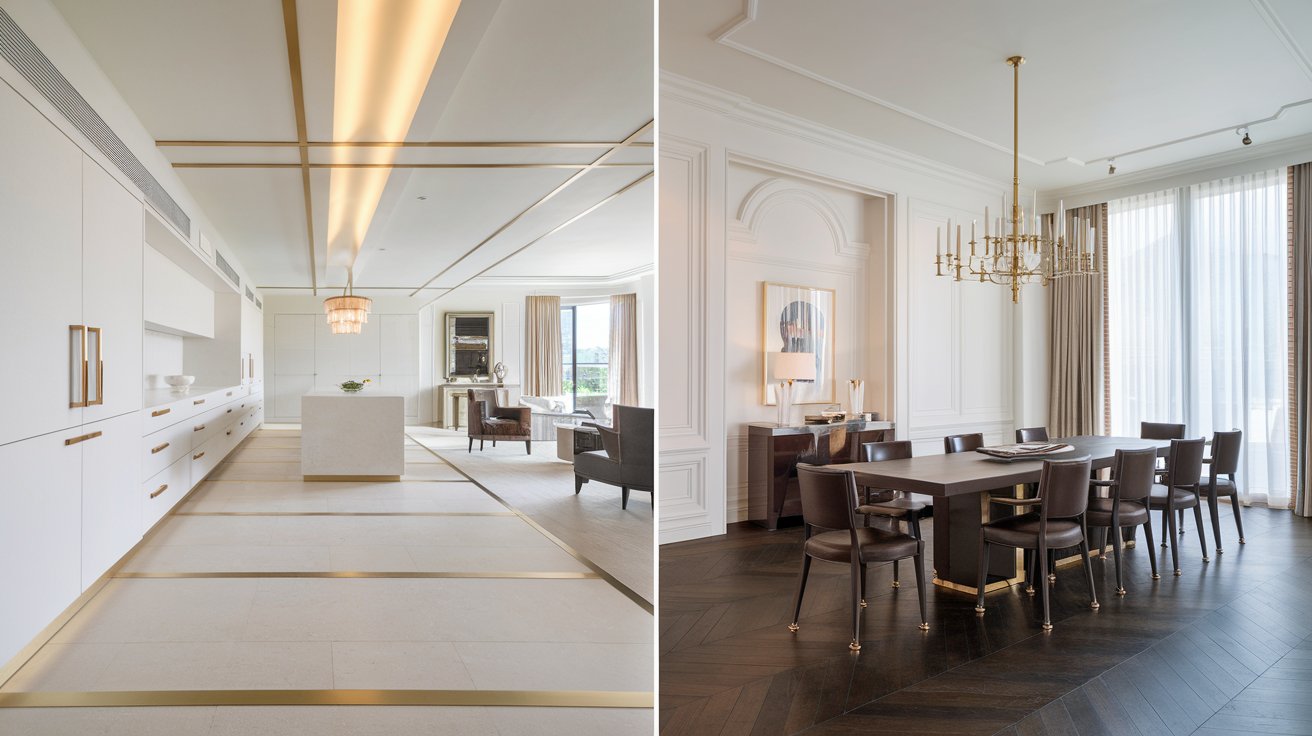
Picking between satin and polished brass comes down to a few practical considerations. Think about your style first. Do you prefer subtle warmth or bold statements?
Next, consider your household activity. If you have kids, pets, or high-traffic areas, satin brass handles the chaos better since it hides fingerprints and scratches.
Be honest about maintenance too. Satin brass needs occasional wiping, while polished brass requires regular polishing. For placement, satin brass works well in modern kitchens, contemporary bathrooms, and bedroom furniture.
Polished brass belongs in formal entryways, traditional powder rooms, and dining room chandeliers where it can shine.
Tips for Caring for Satin and Polished Brass
- Dust regularly with a soft microfiber cloth. This prevents buildup and keeps both finishes looking fresh with minimal effort.
- Skip harsh chemical cleaners that can damage the finish. Use mild soap and water or brass-specific cleaning solutions instead.
- Buff polished brass occasionally to bring back its shine. A gentle polishing cloth works wonders for maintaining that mirror-like finish.
- Wipe away water spots immediately after cleaning. Leaving moisture on brass can lead to corrosion and unsightly marks over time.
- For satin brass, a damp cloth is usually enough. The brushed texture is forgiving and doesn’t need special products for routine cleaning.
- Apply a thin coat of wax or lacquer for extra protection. This creates a barrier against tarnishing, especially helpful for polished brass in humid areas.
Conclusion
Choosing between satin and polished brass really comes down to what works for your life and your style.
Satin brass offers that soft, understated look with easy maintenance, making it perfect for busy households and modern spaces.
Polished brass brings bold glamour and luxury, but needs more care to keep that brilliant shine. I’ve seen both finishes work beautifully in different homes.
Think about how much time you want to spend on upkeep, where you’re using the hardware, and the overall vibe you’re creating.
Trust your instincts and pick the finish that feels right for you.
Frequently Asked Questions
Which brass finish is easier to maintain?
Satin brass is easier to maintain because its brushed texture hides fingerprints and minor scratches naturally. Polished brass shows smudges easily and requires regular cleaning and polishing to keep its shine.
Can I mix satin brass and polished brass in the same room?
Yes, you can mix both finishes, but do it carefully to avoid a cluttered look. Use one as the primary finish and the other sparingly as an accent to create visual interest without overwhelming the space.
Does polished brass tarnish faster than satin brass?
Both finishes can tarnish over time when exposed to air and moisture. However, tarnish is more visible on polished brass because of its reflective surface, while satin brass hides it better due to its matte texture.
Which finish is better for bathroom fixtures?
Satin brass works better for bathrooms because it resists water spots and fingerprints from daily use. Polished brass can work in guest bathrooms or powder rooms that get less traffic and moisture exposure.
Is satin brass more expensive than polished brass?
The price difference between satin and polished brass is usually minimal and depends more on the brand and quality. Both finishes typically cost about the same, so your choice should focus on style preference and maintenance needs rather than budget.
