

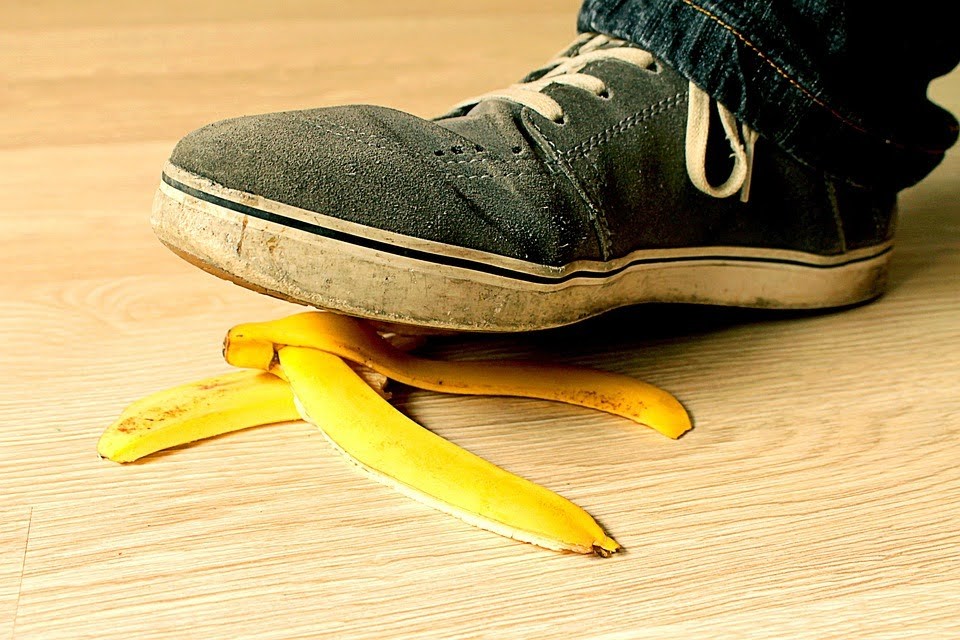
Every home holds hidden hazards that can cause sudden injuries. Simple mistakes like forgetting to clean up a wet floor or hide away a misplaced cord can potentially lead to accidents.
Knowing what causes common household accidents helps prevent them…
Slips and Falls in the Bathroom
Bathrooms rank among the most common places for household accidents. Wet floors, smooth tiles, and soap residue create slippery surfaces that can lead to sudden falls.
These incidents often cause bruises, sprains, or serious injuries like hip fractures or head trauma.
Prevention starts with proper flooring that offers grip, regular cleaning to remove buildup, and absorbent bathmats near showers.
Installing grab bars beside toilets and tubs adds stability.
Adequate lighting ensures every surface is visible, reducing risk during nighttime use.
And if you are using the bathroom in someone else’s home, be extra cautious – as the person may not have taken any precautions to prevent accidents.
But if you do find yourself hurt on someone else’s property, it’s worth consulting a premises liability attorney, as you may be able to claim compensation.
Kitchen Burns and Scalds
Cooking areas in kitchens present constant burn hazards from hot surfaces, boiling water, and oil splatters. Even a brief contact with a heated pan or oven rack can cause painful skin damage, blistering, or deeper tissue burns.
Scalds from steam or hot liquids are especially common among children.
To prevent these injuries, always keep pot handles turned inward, use oven mitts with heat-resistant material, and avoid overcrowding cooking spaces.
Also, regularly check appliance cords for wear. And never leave simmering pots unattended, especially when multitasking nearby.
Electrical Shocks from Faulty Outlets
Household electrical systems pose hidden risks when outlets or cords wear down. A single exposed wire or loose connection can cause shocks that range from mild tingling to severe burns or even cardiac arrest.
These incidents often happen near damp areas or when devices overload circuits.
Prevention starts with inspecting outlets for scorch marks, replacing frayed cords, and using outlet covers where moisture is present.
Avoid daisy-chaining power strips.
And hire a licensed electrician to update old wiring for modern safety standards.
Trips Over Cables and Clutter
Cables stretched across floors and cluttered walkways turn ordinary rooms into tripping hazards. When feet catch on cords, rugs, or scattered objects, the resulting fall can cause sprains, fractures, or joint injuries.
Children and older adults face the highest risk, especially in dim lighting.
Prevention involves organizing loose wires along walls, using cable clips, and keeping high-traffic areas free of obstacles.
Secure rugs with non-slip pads, store belongings off the floor, and maintain clear paths between furniture to ensure steady movement throughout the home.
Cuts and Lacerations During Cooking
Kitchen tasks often involve sharp tools like knives, graters, and open can lids.
One slip of the hand can lead to deep cuts, bleeding, or tendon injury, especially when fingers come too close to the blade.
Wet hands, dull knives, and rushed chopping increase the risk.
Prevention includes drying hands and utensils before use, and storing blades in designated blocks or magnetic strips.
Always focus on one task at a time, and use cutting boards with stable, non-slip bases.
