

Your kitchen can be converted by painting cabinets, but the wrong primer ruins the whole thing. Due to people choosing the incorrect product or omitting this important step, I’ve witnessed far too many do-it-yourself projects fail.
Based on actual results and professional testing, this guide discusses the top 7 cabinet primers.
You’ll find which primer type is best for your project, why primer matters, and which products produce long-lasting effects.
To help you make an informed decision, I’ll go over adhesion, stain-blocking, and durability.
By the end, you will know which primer will provide you with long-lasting, professional-quality cabinets.
Why Primer Matters for Cabinets
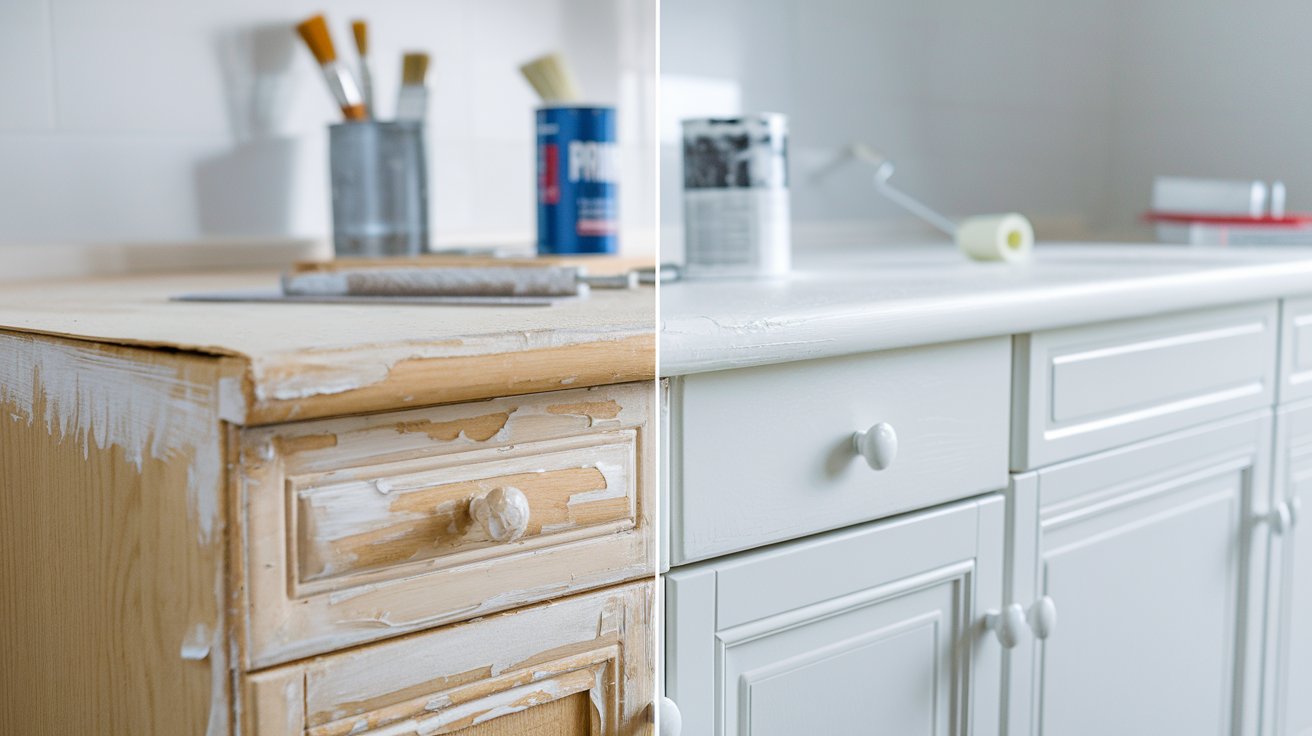
Creates Strong Paint Adhesion
Primer helps paint stick better to wood, laminate, and previously finished cabinets. Without it, paint peels or chips within months. Primer creates a grip between the cabinet surface and your topcoat.
Prevents Stains and Tannin Bleed
Certain primers block stains, grease, and wood tannins from showing through your paint. Shellac-based formulas excel at sealing oils and preventing dark spots. This matters especially with oak or pine cabinets that release tannins naturally.
Improves Finish Smoothness
Primers fill tiny pores and imperfections in cabinet surfaces, creating a smoother base for paint. The result looks more professional instead of DIY quality.
Boosts Durability
Priming adds years to your paint job. Kitchens see constant grease, moisture, and daily handling. Primer creates a protective barrier that helps paint withstand wear and keeps cabinets looking fresh longer.
Types of Primers for Cabinets
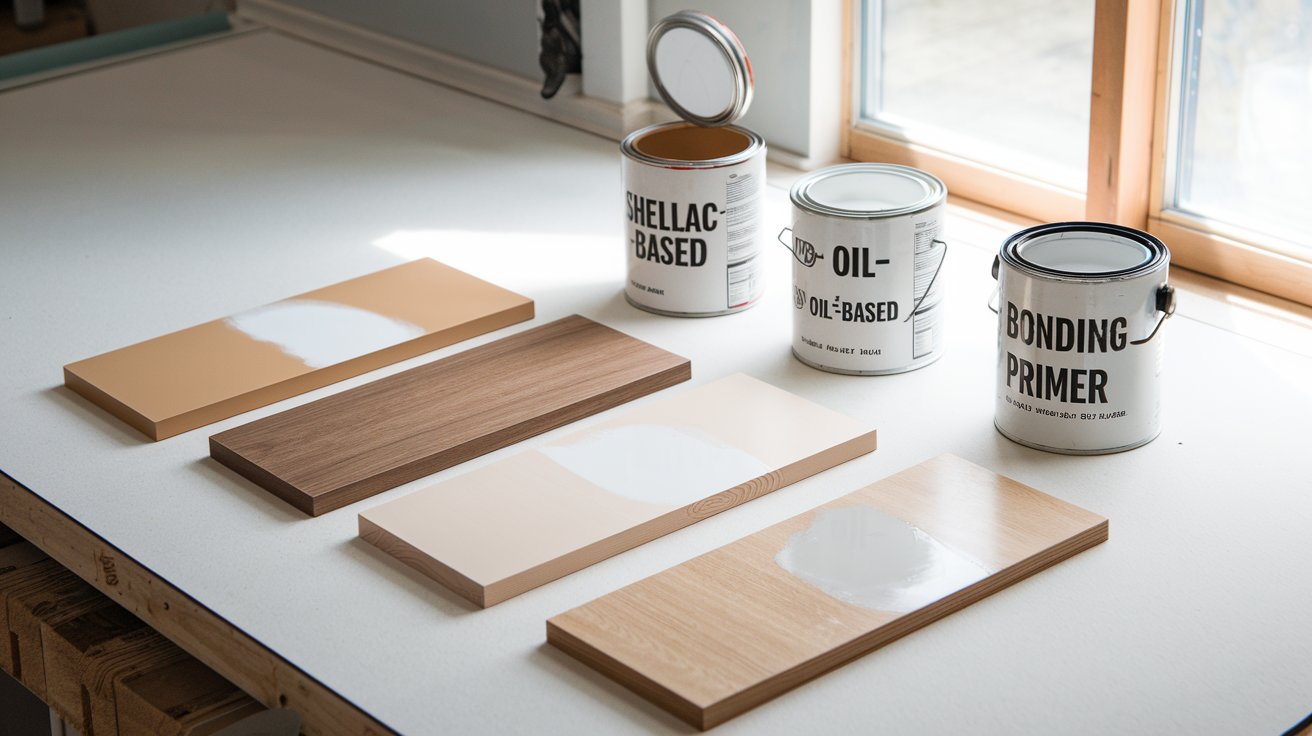
Understanding different primer types helps you choose the right formula for your specific cabinet project.
Shellac-Based Primers
These primers block stains better than any other type. They ensure maximum adhesion on problem surfaces. Use them for cabinets with smoke damage, water stains, or heavy tannin issues.
Oil-Based Primers
Oil-based formulas seal wood beautifully and resist moisture. They dry slower than other options but create an extremely durable base. Traditional painters prefer these for high-end cabinet work.
Water-Based or Acrylic Primers
These primers have low odor and dry quickly. They work with most paint types and clean up easily with soap and water. Modern formulas perform nearly as well as oil-based options with less hassle.
Bonding Primers
Special bonding primers stick to slick surfaces that other primers can’t grip. Laminate, melamine, and glossy painted cabinets need this type. They eliminate most sanding requirements.
List of 7 Best Primers for Cabinets (Expert Picks)
These seven primers consistently deliver professional results based on testing and professional painter feedback.
1. Zinsser BIN Shellac Primer
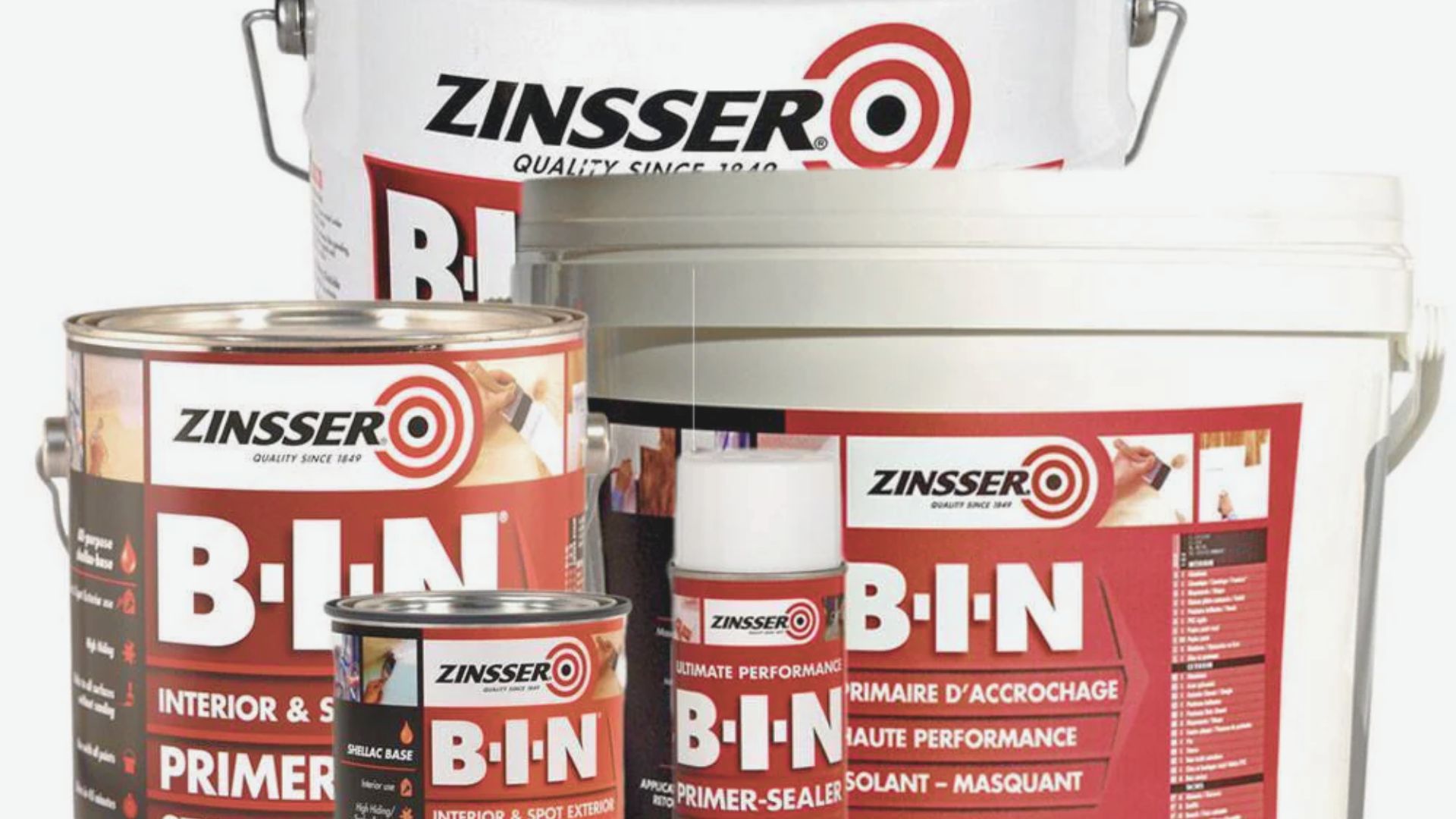
Best for: Ultimate adhesion and stain blocking
Zinsser BIN seals wood knots perfectly and dries in just 20 minutes. It prevents bleed-through better than any other primer on the market. Professional painters reach for this when they need guaranteed results.
Pros:
- Dries incredibly fast
- Creates smooth finish
- Blocks any stain type
Cons:
- Strong odor requires ventilation
- Needs denatured alcohol for cleanup
2. Sherwin-Williams Extreme Bond Primer
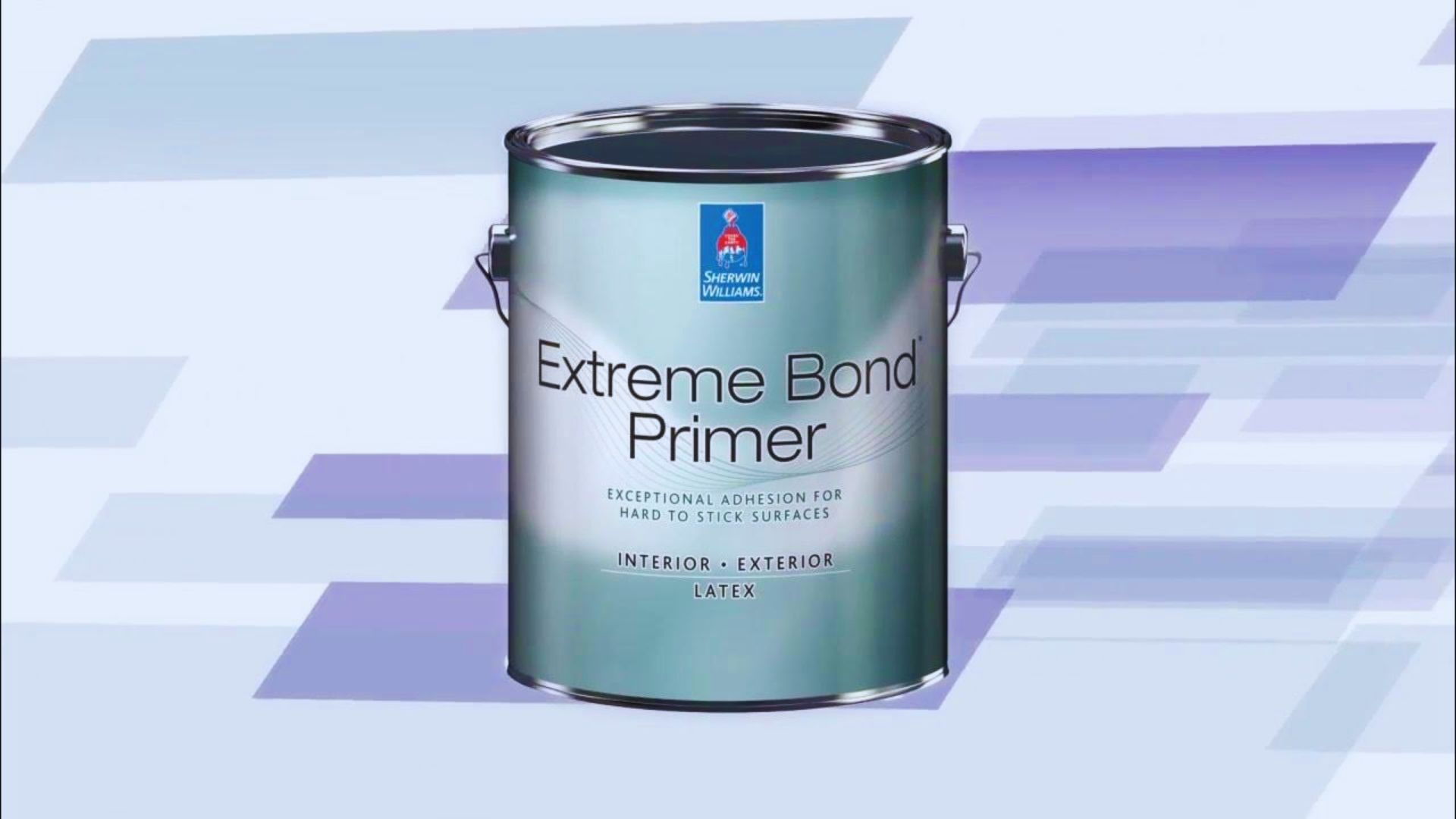
Best for: Slick or glossy surfaces like laminate or previously painted cabinets
This primer provides superior bonding without heavy sanding requirements. It grips surfaces other primers can’t handle. You can prime right over old glossy paint with minimal prep.
Pros:
- Excellent adhesion on difficult surfaces
- Reduces prep time significantly
- Professional-grade performance
Cons:
- Takes longer to dry than shellac primers
3. Benjamin Moore Advance Primer
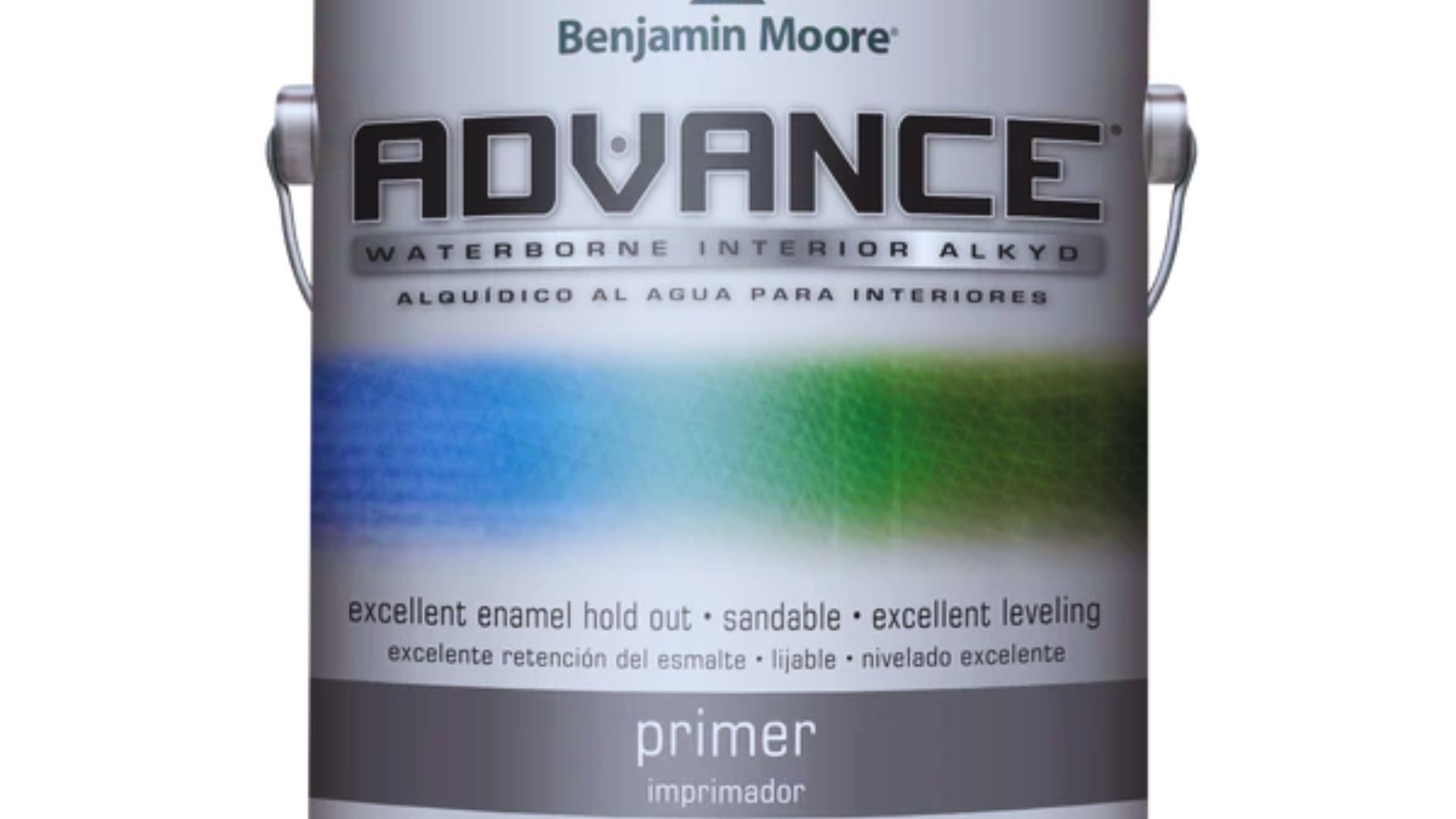
Best for: Use with Benjamin Moore Advance paint system
This primer was designed specifically for trim and cabinetry work. It ensures a smooth enamel finish when used with Advance topcoat. The system creates results that rival factory-finished cabinets.
Pros:
- Levels beautifully for smooth results
- Low VOC formula
- Professional quality throughout
Cons:
- Premium price point
4. KILZ Restoration Primer
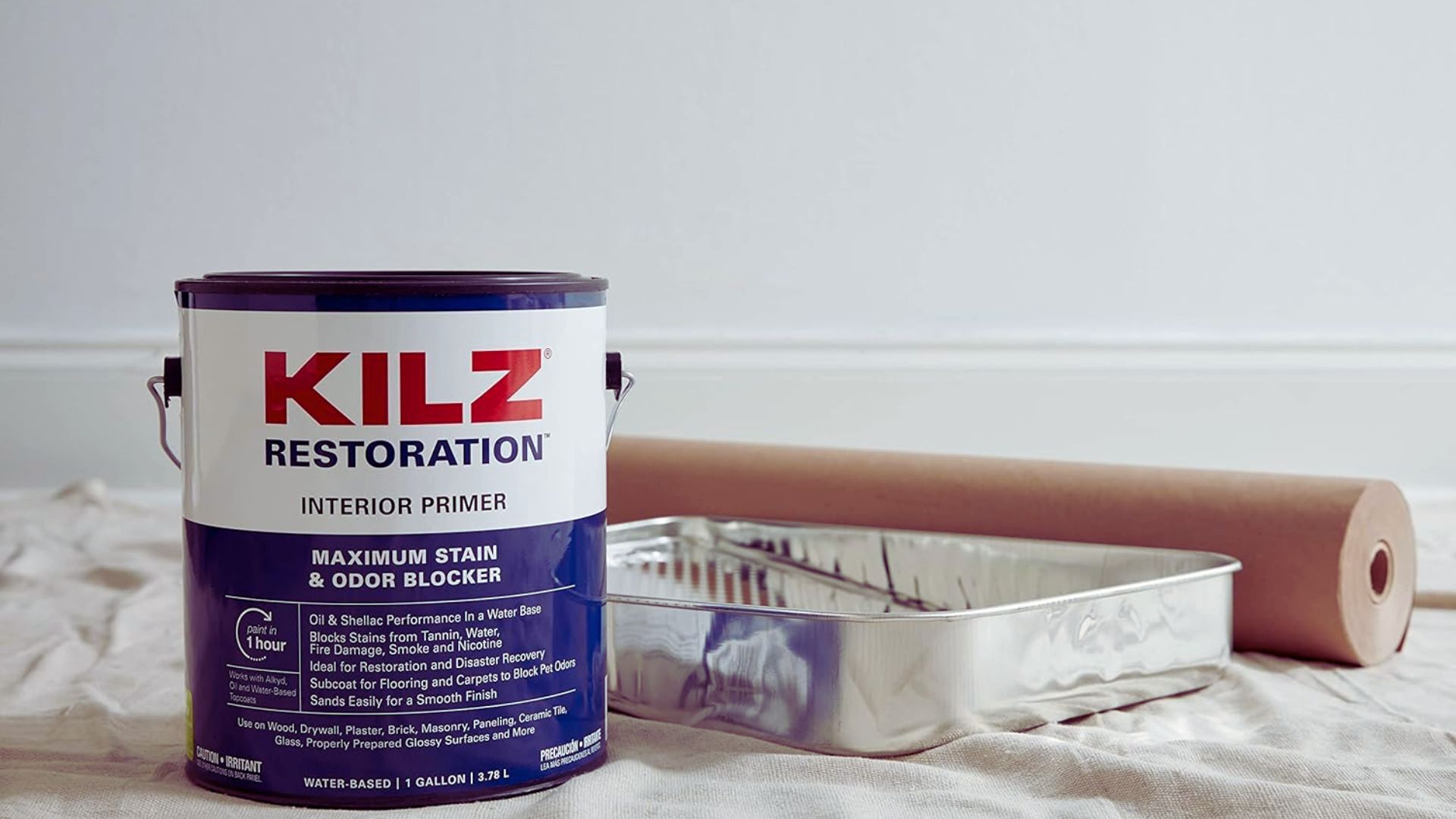
Best for: Heavy-duty stain and odor blocking
KILZ Restoration combines oil-based and water-based performance in one formula. It handles smoke damage, grease buildup, and water stains with ease. This primer saves cabinets you thought were beyond repair.
Pros:
- Tackles the toughest stains
- Neutralizes odors
- Versatile performance
Cons:
- Dries slower than water-based options
5. INSL-X Stix Bonding Primer
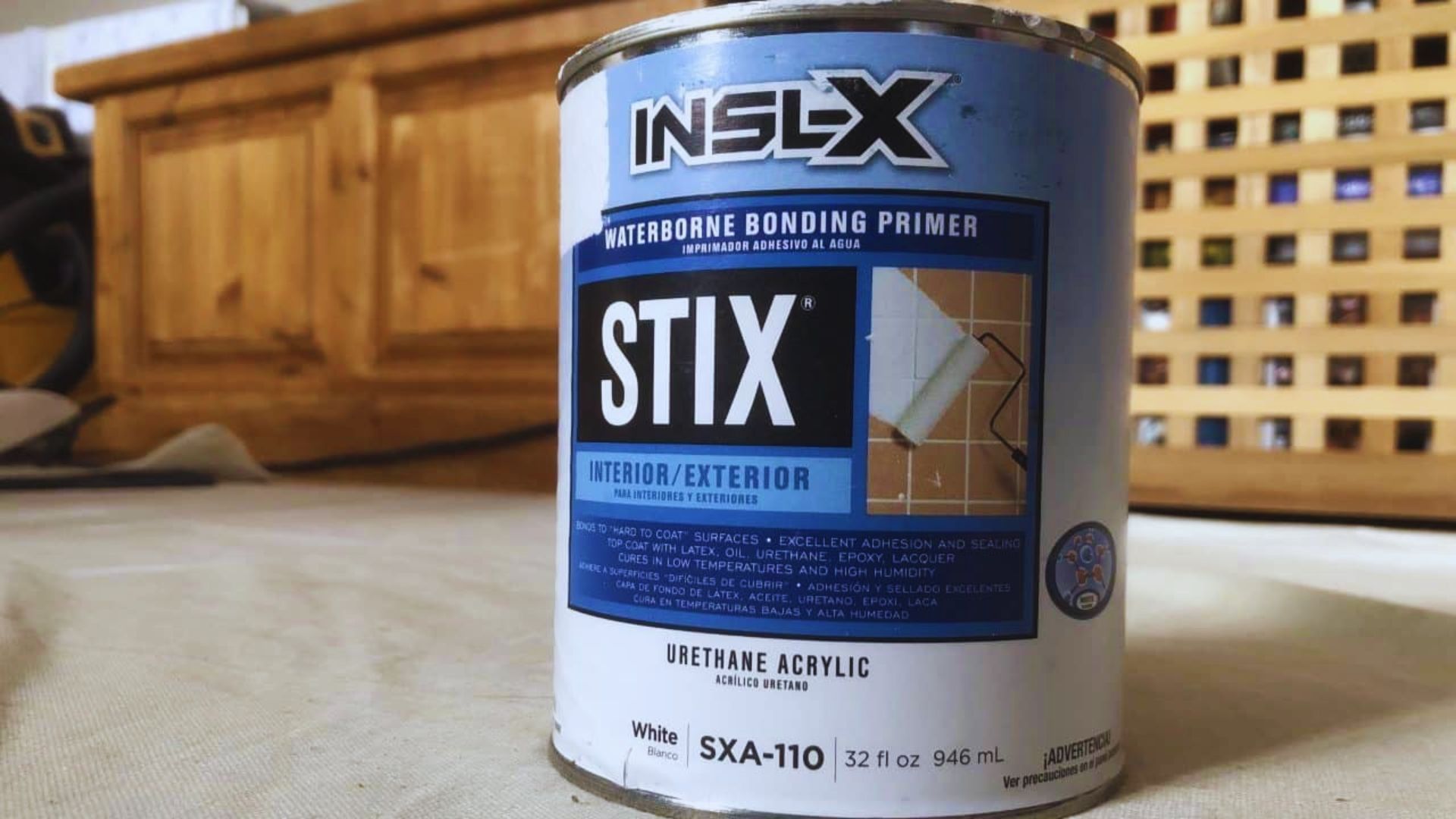
Best for: Non-porous surfaces like laminate or metal cabinets
Professionals love this primer for its exceptional adhesion on glossy finishes. It sticks to surfaces where regular primers fail. The low-odor formula makes it easier to work with indoors.
Pros:
- Low odor for indoor projects
- Works on multiple surface types
- Strong bonding properties
Cons:
- Requires 3 to 4 hours drying time
6. Behr Kitchen, Bath & Trim Primer & Sealer
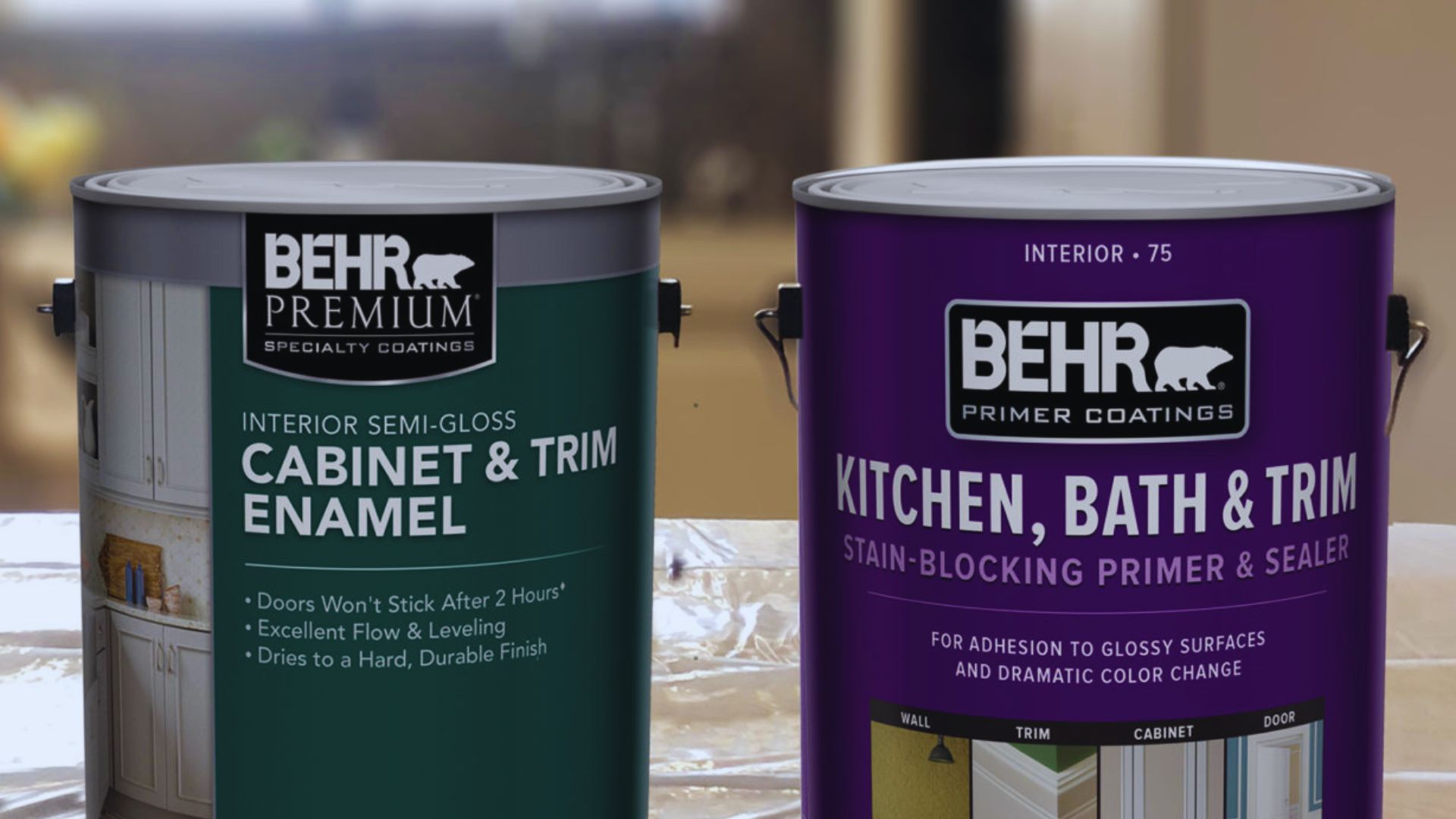
Best for: High-moisture areas like kitchens and bathrooms
This primer includes built-in mildew resistance. It provides excellent coverage and handles humidity well. The affordable price makes it accessible for DIY projects.
Pros:
- Budget-friendly option
- Easy soap and water cleanup
- Good moisture resistance
Cons:
- Slightly thicker texture requires careful application
7. Rust-Oleum Zinsser 1-2-3 Water-Based Primer
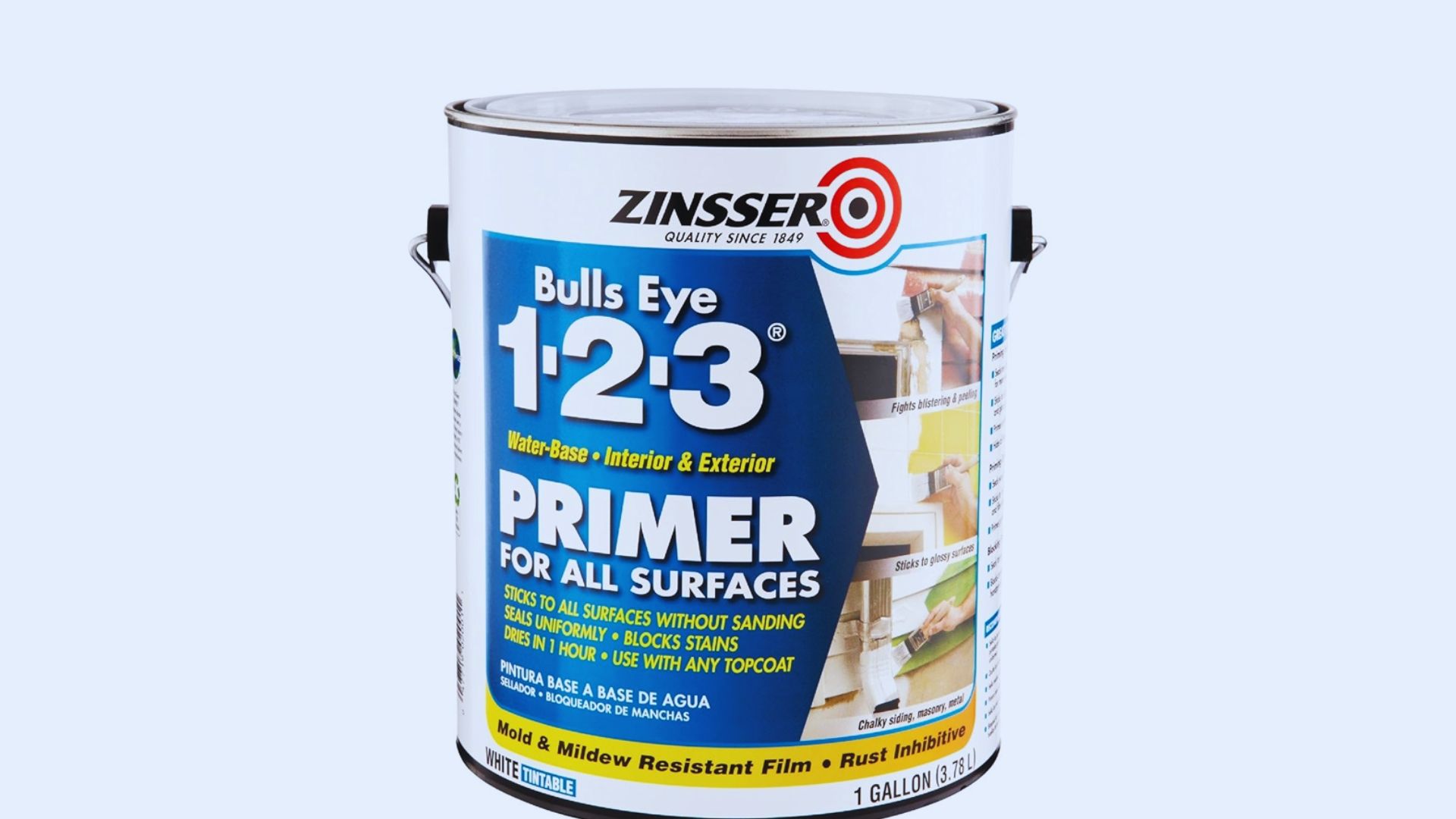
Best for: General-purpose cabinet priming
This versatile primer works on wood, laminate, and metal surfaces. It requires no sanding on most surfaces. The water-based formula means low odor and easy cleanup.
Pros:
- Low odor for comfortable working
- No sanding required on many surfaces
- Versatile application
Cons:
- May need multiple coats on darker woods
How to Choose the Right Primer for Your Cabinets
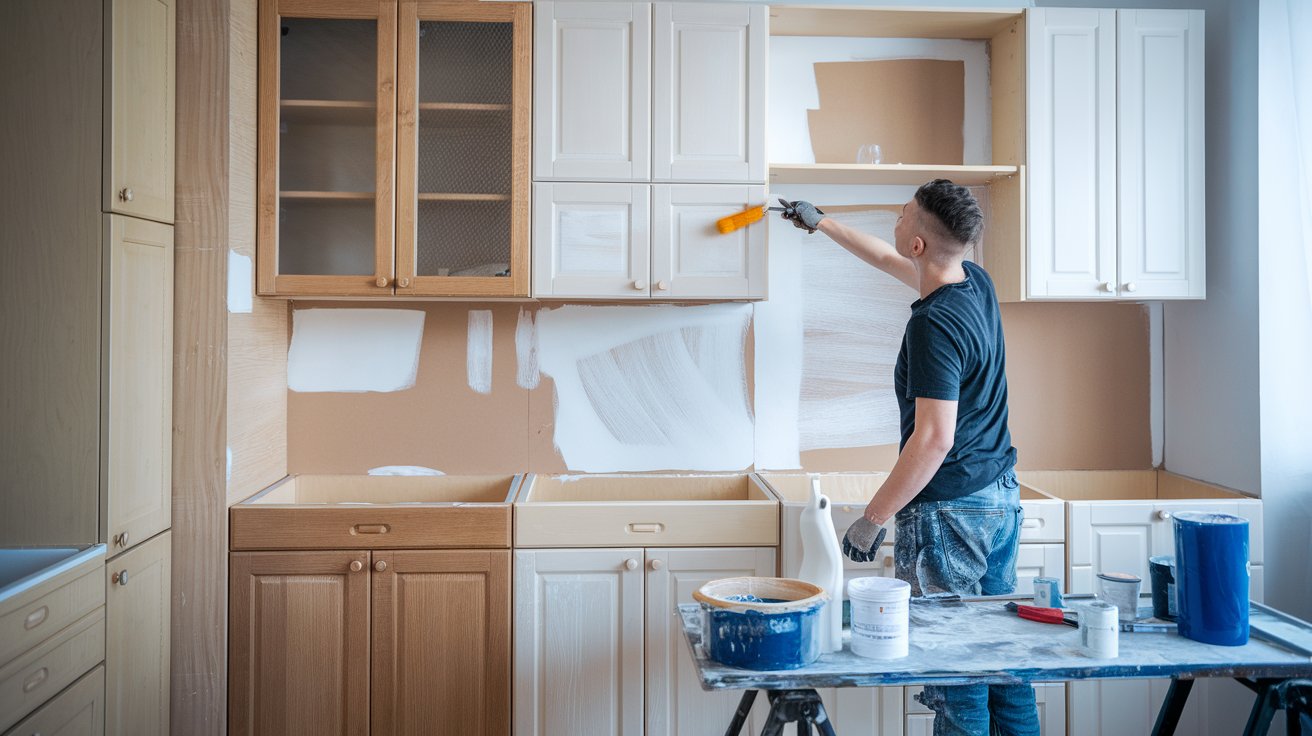
Selecting the right primer depends on your cabinet material, paint choice, and room conditions.
Match your primer to your material.
Wood cabinets work with most primers. Laminate needs bonding primers. MDF requires moisture-blocking sealers.
Your primer type should match your topcoat. Oil-based paint needs oil-based or shellac primer. Water-based paint works with water-based or shellac primer.
High-moisture kitchens or bathrooms need mildew-resistant formulas. Choose primers designed for your specific environment.
Clean cabinets thoroughly before priming. Light sanding helps adhesion on glossy surfaces. Proper preparation makes any primer work better.
Expert Tips for Priming Cabinets
- Always clean cabinets with degreaser before applying any primer to remove oils and grime
- Lightly sand between primer coats for the smoothest possible finish
- Use a microfiber roller or high-quality brush for even coverage without brush marks
- Allow proper drying time between coats even if the surface feels dry to touch
- Apply thin coats rather than one thick coat to prevent drips and ensure proper curing
Conclusion
Selecting the best primers for cabinets can mean the difference between a paint job that fails within months and one that lasts for years.
Three years after I applied Zinsser BIN to my own kitchen cabinets, they continue to look fantastic even after frequent use.
Choose a primer based on the requirements of your particular project. Professional results that last are achieved with the right primer and preparation.
Are you prepared to begin your cabinet project? Tell us which primer you’re thinking about using in the comments section below!
Frequently Asked Questions
Do I really need primer for cabinets?
Yes, primer is essential for cabinet painting. It ensures paint adhesion, prevents stains from bleeding through, and creates a smooth, durable finish that lasts years.
Can I use wall primer on cabinets?
No, wall primers aren’t durable enough for cabinets. Cabinet-specific primers handle grease, moisture, and daily wear much better than standard wall primers.
How many coats of primer do cabinets need?
Most cabinets need one to two coats of primer. Dark wood or stained cabinets may need two coats for complete coverage and stain blocking.
What’s better for cabinets: oil or water-based primer?
Both work well depending on your situation. Oil-based primers offer superior adhesion and stain blocking. Water-based primers dry faster with less odor and easier cleanup.
How long should primer dry before painting cabinets?
Follow the manufacturer’s drying time recommendations, typically 1 to 4 hours. Wait longer in humid conditions. Test by touching an inconspicuous spot before painting.
