

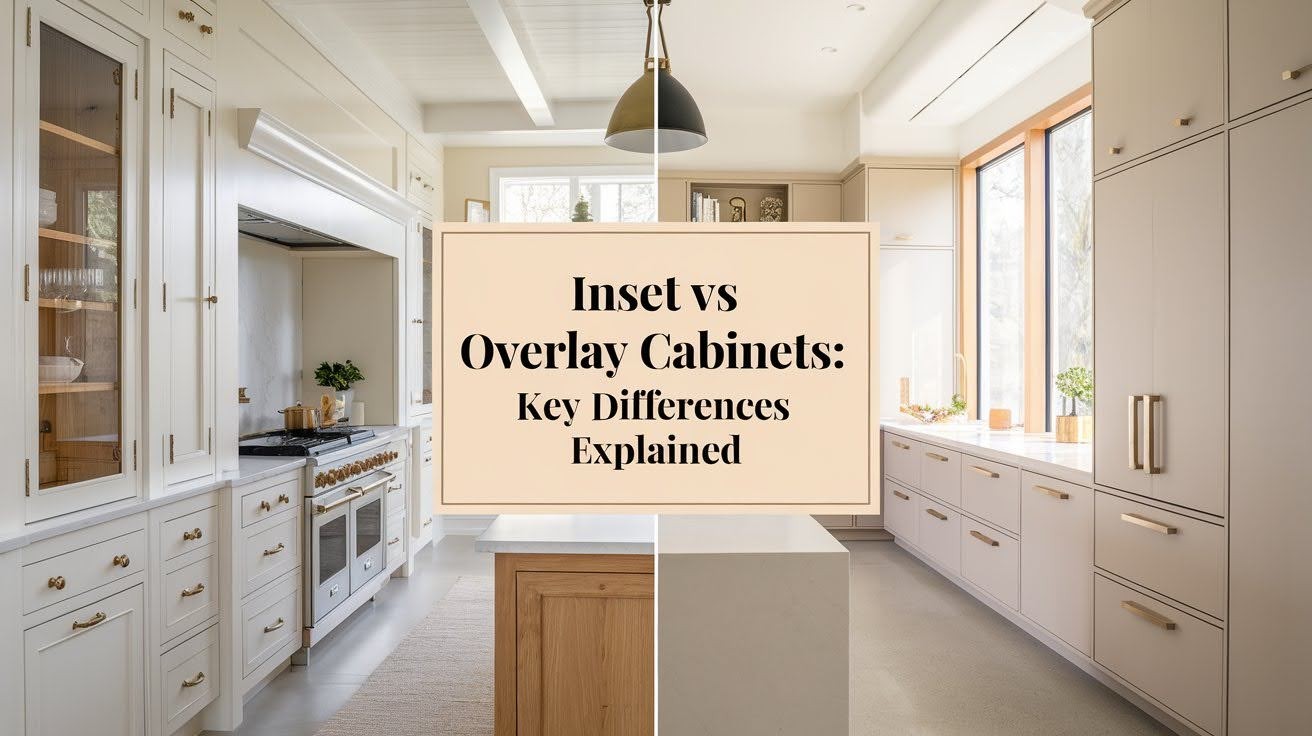
When you’re planning a kitchen or bathroom renovation, it can be difficult to decide between cabinet styles.
Overlay and inset describe how cabinet doors fasten to the frame; this minor detail has a significant impact.
Knowing the difference between inset and overlay cabinets is half the battle, and I’ve assisted innumerable homeowners in choosing the best cabinets.
I’ll go over the meaning of each style, how they vary in price and appearance, and which suits your space the best in this guide. Benefits, drawbacks, installation, and upkeep will all be covered.
You will know which cabinet style best suits your design objectives and financial constraints.
What Are Inset Cabinets?
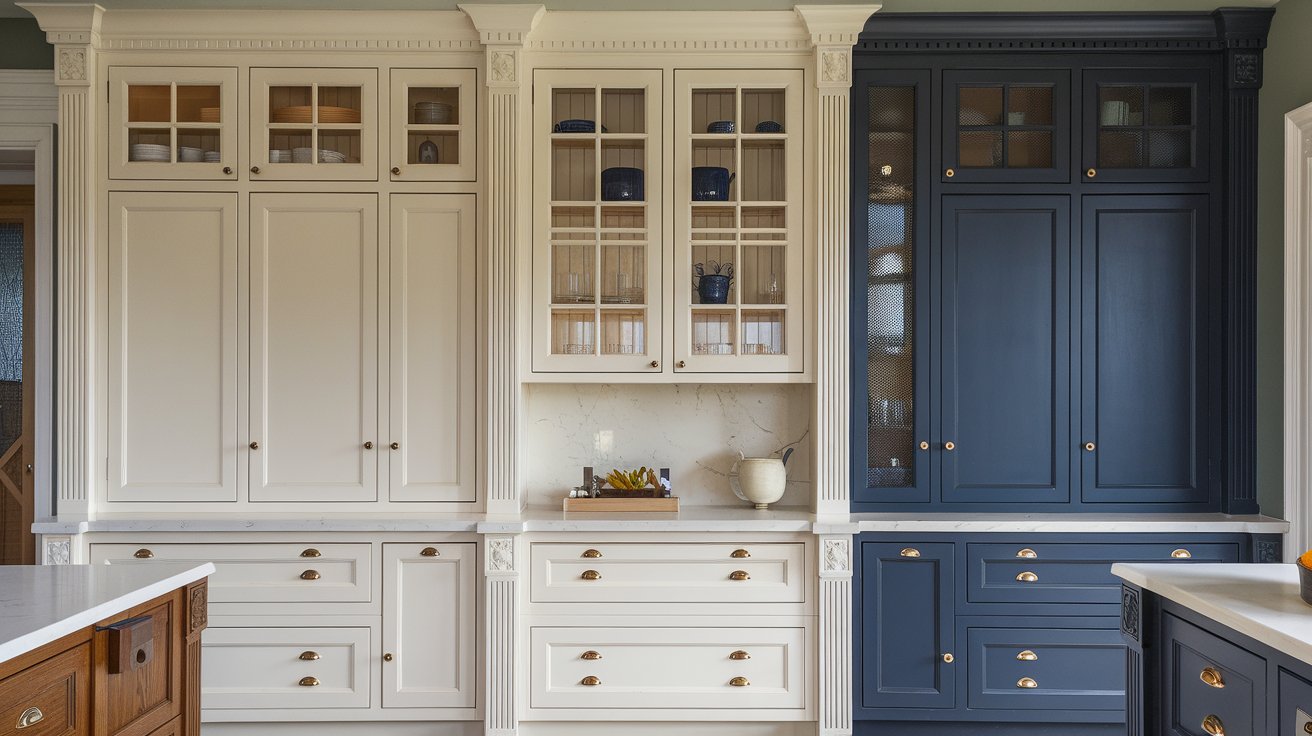
Inset cabinet doors fit completely inside the cabinet frame, creating a flush, built-in appearance. The door sits level with the frame rather than covering it. This requires exact measurements and skilled installation.
You’ll find inset cabinets in traditional, transitional, and custom kitchens. They work especially well in high-end designs where details matter.
Visual Appeal and Style Compatibility
The clean lines and timeless look give inset cabinets their signature appeal. Beaded frames add decorative detail around each door, while non-beaded frames keep things minimal and smooth.
Both styles create a refined, furniture-quality appearance.
Common finishes include painted options in white, cream, or navy, plus stained wood that shows off natural grain.
Quality materials like hardwood and premium plywood enhance the custom feel.
Pros of Inset Cabinets
- Premium, custom-built appearance that improves any kitchen
- Precise craftsmanship ensures durable construction that lasts for decades
- Works beautifully in classic or high-end designs where quality shows
Cons of Inset Cabinets
- Higher cost due to precision work required
- Slightly less storage space since doors sit inside the frame rather than covering it
- May require occasional realignment over time as wood naturally shifts
What Are Overlay Cabinets?
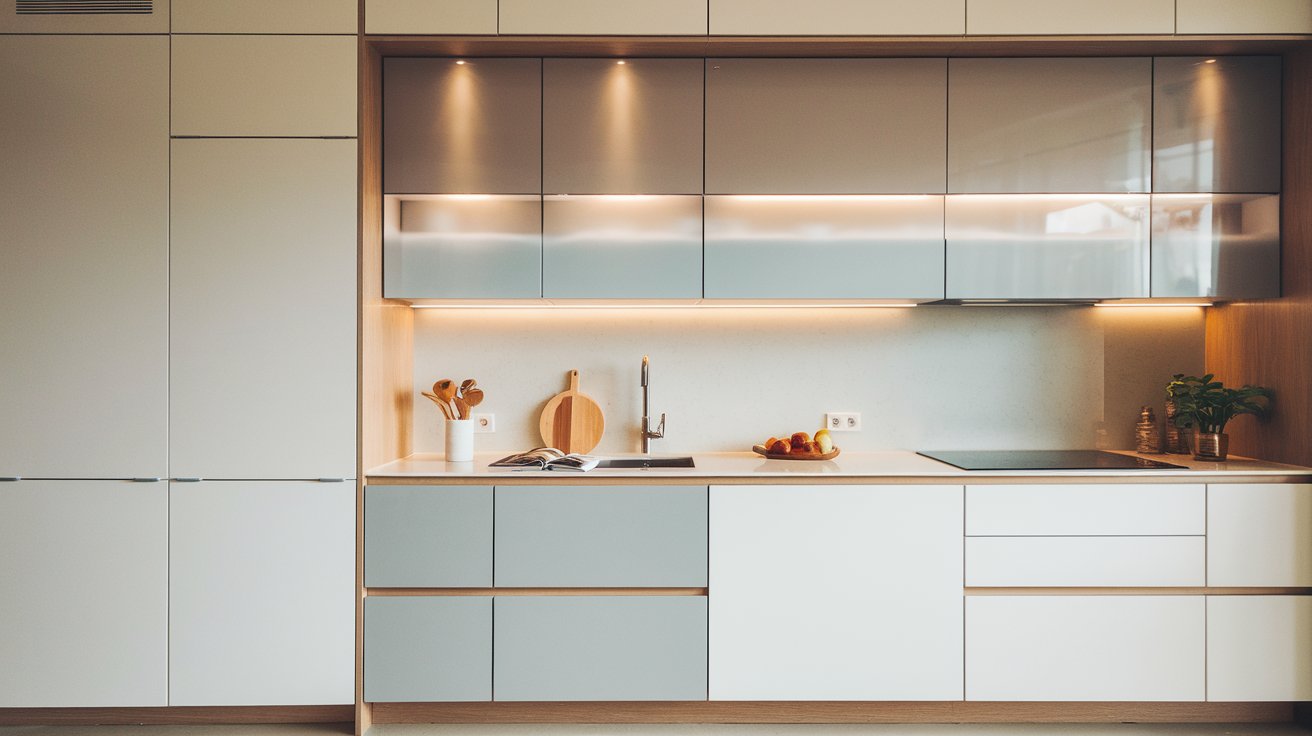
Overlay doors sit on top of the cabinet frame rather than inside it. Full overlay doors cover nearly the entire frame for a modern, seamless look.
Partial overlay leaves more frame visible, creating a traditional style with defined borders.
Design and Aesthetic Options
Overlay cabinets work in modern, transitional, and farmhouse kitchens depending on the door style you choose.
Slab doors create a sleek, contemporary look. Shaker doors suit transitional and farmhouse styles. Raised panel doors lean traditional.
Pros of Overlay Cabinets
- Cost less than inset because they’re easier to manufacture and install.
- Installation and adjustments take less time and require less precision.
- Maximize storage space inside the cabinet since they mount on top rather than inside the frame.
Cons of Overlay Cabinets
- Partial overlay shows visible gaps between doors and frame that some find less polished.
- Not as flush or seamless as inset cabinetry.
- Doors protrude slightly from the cabinet box and may show wear on edges over time.
Inset vs Overlay Cabinets: Key Differences at a Glance
Understanding the core differences helps you make an informed decision about which style suits your needs.
| Feature | Inset Cabinets | Overlay Cabinets |
| Door Position | Set inside frame | Mounted over frame |
| Appearance | Classic, flush, custom | Modern or traditional, depends on style |
| Cost | Higher | More affordable |
| Storage | Slightly reduced | Maximized |
| Maintenance | May need realignment | Low maintenance |
| Installation | Precise, complex | Simple and quick |
| Best For | Traditional, transitional, luxury designs | Modern, budget-conscious projects |
Choosing the Right Cabinet Style for Your Home
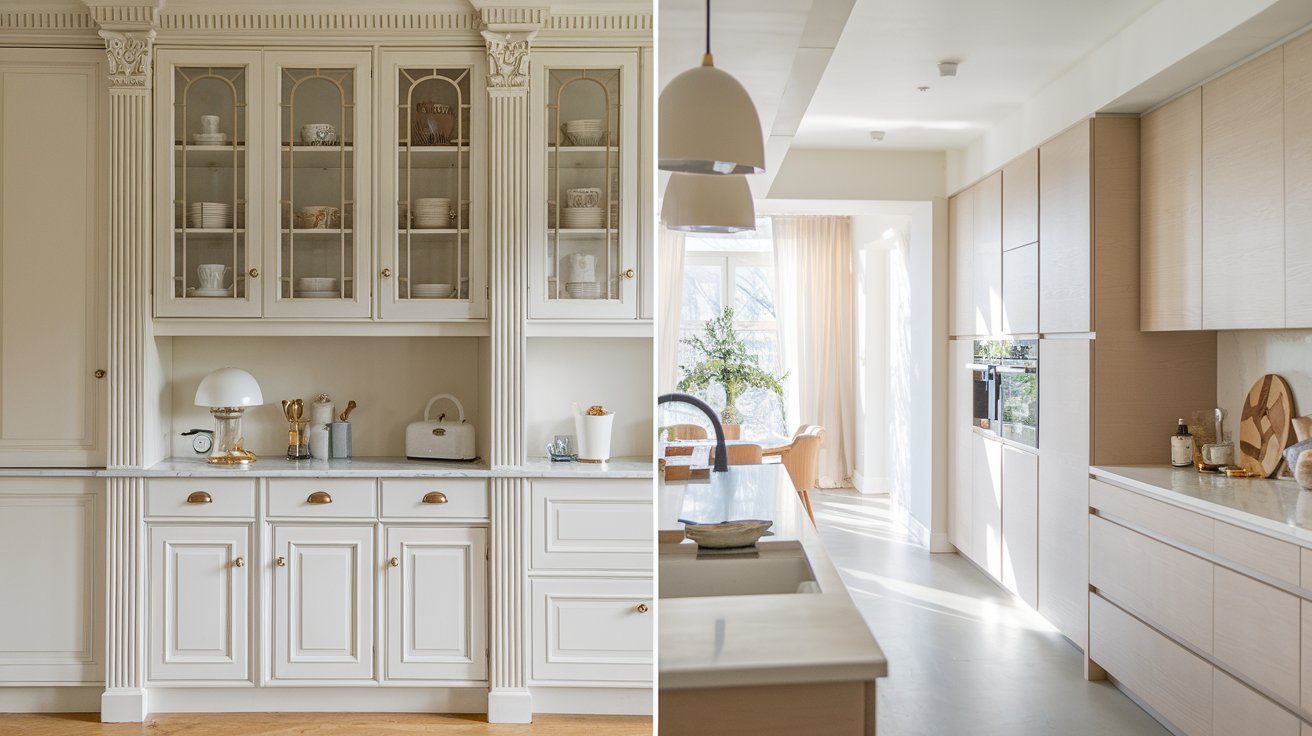
Your aesthetic goals, budget, and home’s design personality all influence which cabinet style works best.
Choose inset cabinets for timeless, architectural detail that never goes out of style. The flush appearance creates a furniture-quality look that adds value.
Overlay cabinets work better for sleek, versatile looks that adapt to changing design trends.
Inset cabinets cost more upfront but add long-term value to your home. The investment pays off in durability and resale appeal.
Overlay offers immediate savings and flexibility, making it ideal for remodels with tighter budgets or rental properties.
Traditional and farmhouse kitchens benefit from inset cabinets. The classic construction complements period details and creates authentic character.
Modern or minimalist kitchens look better with full overlay cabinets. The seamless appearance suits contemporary design principles.
Budget Considerations
Understanding the financial differences between inset and overlay cabinets helps you plan your remodel realistically.
| Budget Factor | Inset Cabinets | Overlay Cabinets |
| Initial Cost | 15-25% more due to detailed craftsmanship and skilled labor | Lower price points with similar quality materials |
| Labor Requirements | More hours needed for precise measurements and custom fitting | Simpler installation process reduces labor costs significantly |
| Resale Value | Adds appeal in high-end housing markets; appreciated by luxury home buyers | Great ROI for remodels or spec builds; modernizes effectively |
| Customization | More customization options available | Flexible sizing with standard options |
| Lead Time | Longer wait times (several weeks to months) | Quicker delivery; many standard sizes in stock |
| Timeline | Extended due to custom work | Faster remodel completion |
| Best For | High-end homes, long-term investment, focal points | Budget-conscious projects, quick updates, full kitchen coverage |
Expert Tip: Combine Styles for Balance
- Consider using inset cabinets in your main kitchen where guests spend time and you want to make an impression
- Install overlay cabinets in the laundry room, mudroom, or wet bar where function matters more than style
- Use full overlay in modern spaces and partial overlay in traditional areas for cohesive design
- Mix styles by room rather than within a single space to avoid a disjointed appearance
- Allocate more budget to visible areas and save on hidden storage zones
Final Thoughts
Between inset and overlay cabinets, there is no wrong decision – just the one that best suits your style and budget.
For the sleek appearance and cost savings, I went with full overlay when I remodeled my own kitchen last year.
My design aesthetic and my top priorities ultimately determined the choice.
When you enter a room, consider how you use it and what brings you joy. If you’re still unsure, see samples in person and speak with a designer.
Which type of cabinet do you prefer? Leave a comment below with your thoughts!
Frequently Asked Questions
Are inset cabinets worth the extra cost?
Yes, if you value craftsmanship and timeless design. For budget-conscious projects, overlay cabinets offer excellent quality at lower prices.
Do overlay cabinets look cheap?
No, overlay cabinets look high-end when done well with quality materials. Full overlay creates a modern, premium appearance.
Can I mix inset and overlay cabinets?
Yes, you can mix styles in different rooms for cost efficiency. Avoid mixing them in the same room as it looks inconsistent.
Which cabinet style has more storage space?
Overlay cabinets maximize storage because doors mount on top of the frame. Inset cabinets lose slight space since doors fit inside the opening.
Do inset cabinets require more maintenance?
Inset cabinets may need occasional door realignment as wood expands and contracts. Overlay cabinets require minimal maintenance with more clearance for wood movement.
