

Choosing between a kitchen island and a peninsula can be challenging. I’ve been there. Your kitchen should serve your lifestyle in addition to looking good in photos.
In this guide, I’ll explain both options in detail. We’ll discuss what makes each design special, how to pick the ideal one for your space, and things to think about before making a commitment.
You’ll learn about the required size, costs, and useful benefits. I’ll keep this simple and helpful because I know you want answers, not bullshit.
By the end, you will know which layout works best for your home and lifestyle.
Understanding the Difference Between a Kitchen Island and a Peninsula
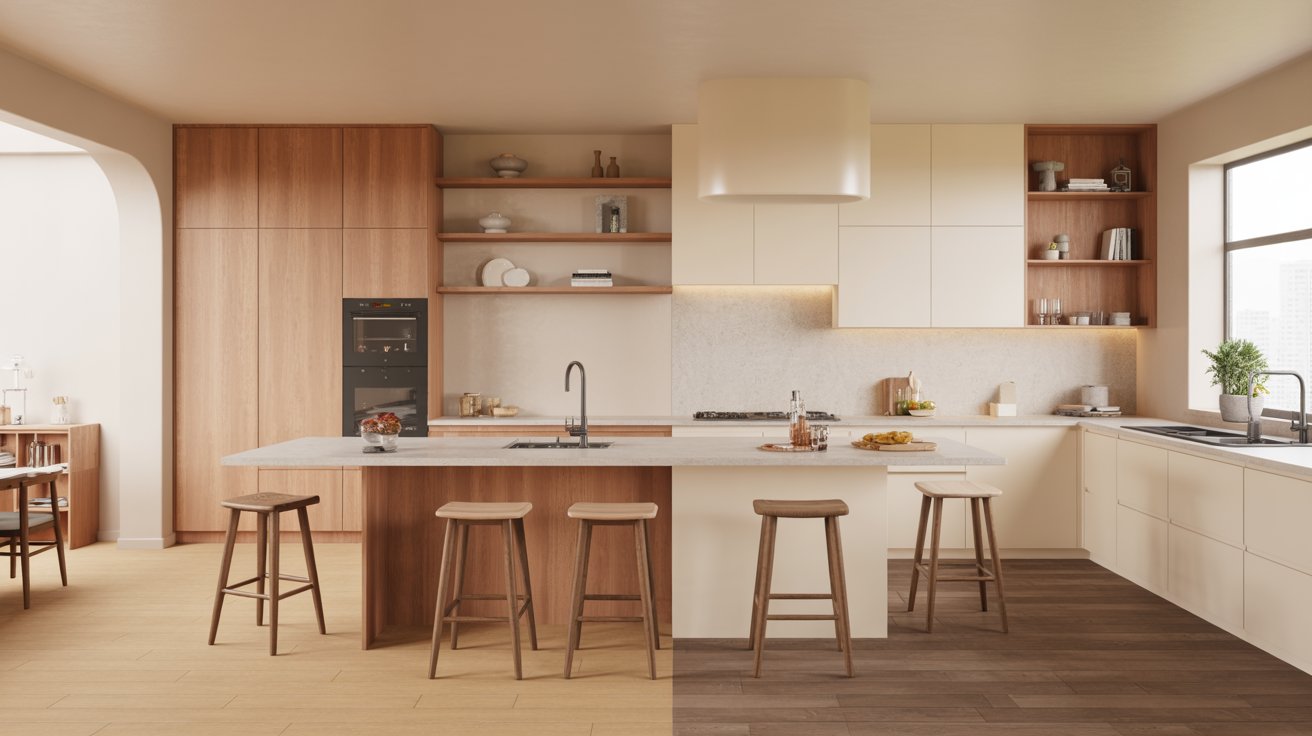
Learn the core differences between islands and peninsulas to understand which layout matches your kitchen space and cooking style.
The main difference is simple: connection. Islands stand completely separate while peninsulas attach to something. This one detail changes everything about how they function.
Islands need more floor space but offer access from every angle. Peninsulas save space by using walls or existing cabinets as one side.
Both give you extra workspace and storage, just in different ways.
What Is a Kitchen Island?
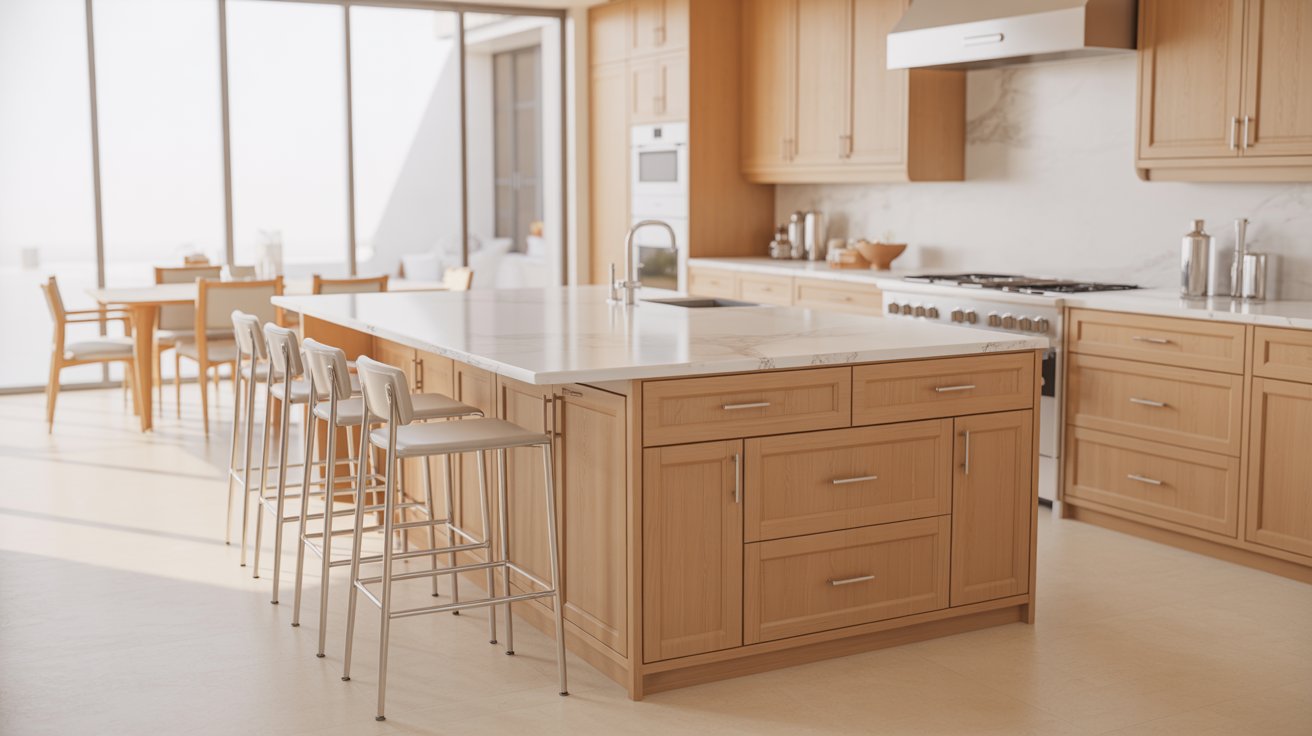
A kitchen island stands alone in your space. You can walk around all four sides freely. It sits in the center of larger kitchens and acts as a natural gathering spot.
Islands give you extra counter space for meal prep, storage underneath, and room for seating. Many homeowners add sinks or cooktops to their islands.
Some include wine fridges or dishwashers. The key feature is that open space all around it. This makes islands perfect for open-concept homes where the kitchen flows into living areas.
What Is a Kitchen Peninsula?
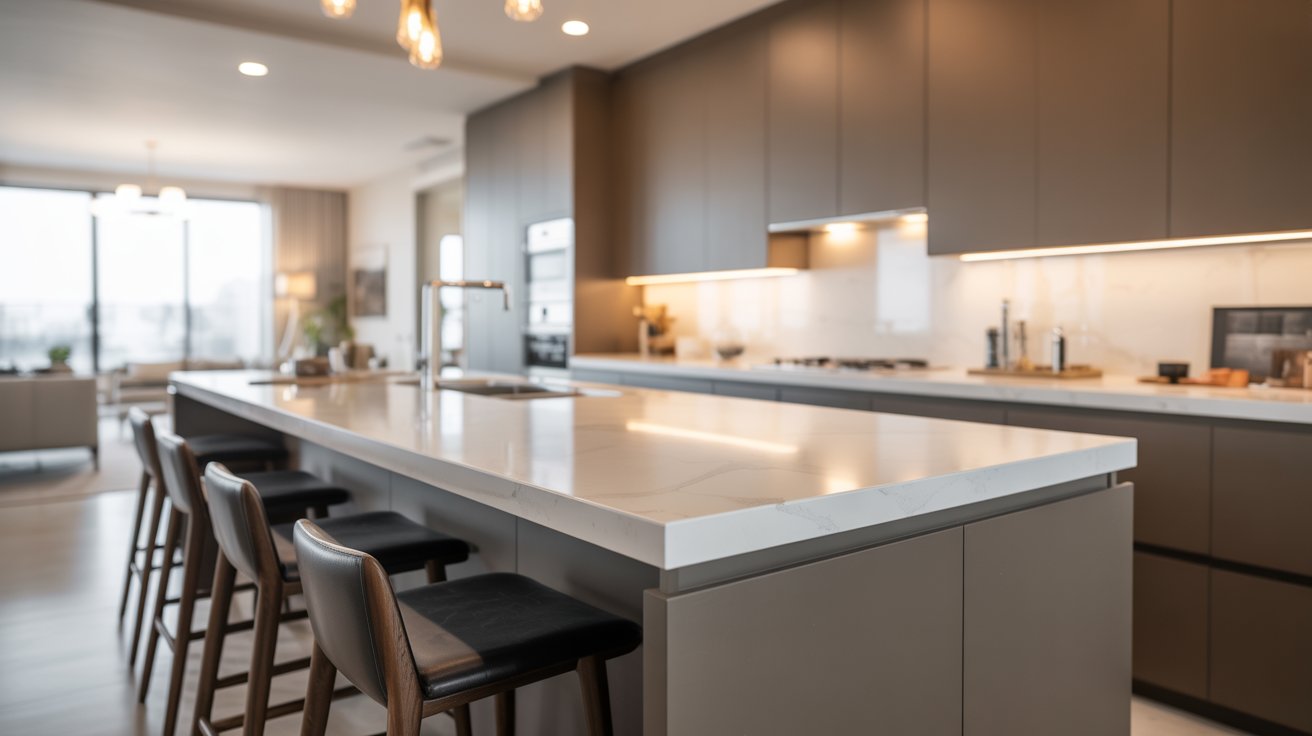
A peninsula connects to your main cabinets or a wall. Think of it as an extension that juts out. Only three sides are accessible instead of four.
Peninsulas create a partial barrier between your kitchen and other rooms. This works well in smaller homes.
You still get extra counter space and storage. You can add bar stools on one side for casual meals. The attached design makes installation easier.
It also costs less than adding a full island. Peninsulas fit naturally into galley or L-shaped kitchen layouts.
Benefits of a Kitchen Island
Islands bring style and function together, creating a central hub for cooking, eating, and spending time with loved ones.Islands have become the must-have feature in modern kitchens for good reason.
They solve multiple problems at once. You get extra prep space, hidden storage, casual dining, and a social hub all in one piece.
The flexibility is unmatched. You can customize every detail to match how you cook and entertain. Most people who add an island say they can’t imagine their kitchen without it now.
Adds Function and Flow
An island improves how you move in your kitchen. Your stove, sink, and fridge stay within easy reach. I can chop vegetables on one side while keeping an eye on what’s cooking.
You can prep, cook, and clean without running back and forth. Multiple people can work at the same time without bumping into each other. This setup saves steps and makes cooking less tiring.
Offers Extra Storage and Appliances
Islands give you serious storage options. Add deep drawers for pots and pans. Install cabinets for small appliances you don’t use daily. Some people build in a dishwasher to hide it from view.
Others add a wine cooler or microwave drawer. You can customize everything based on what you need. This keeps your counters clear and your kitchen organized.
Creates Social and Dining Space
Islands naturally pull people together. Add a few comfortable stools and you’ve got casual seating. Kids can do homework while you cook dinner.
Friends lean against it during parties. It’s perfect for quick breakfasts or late-night snacks. The person cooking never feels isolated from the action. Everyone gathers around the island without getting in the way.
Adds Modern Appeal
A well-designed island updates your whole kitchen instantly. Clean lines and open space create a fresh, contemporary feel. It becomes the focal point when people walk in.
Real estate agents often say islands help homes sell faster. Buyers love seeing that extra workspace and seating. Your kitchen looks more expensive and thoughtfully planned.
Advantages of a Kitchen Peninsula
Peninsulas maximize tight spaces while offering counter area, storage, and seating without the footprint of a full island.
- Maximizes tight spaces: Delivers island benefits without needing a massive kitchen footprint, turning awkward corners into functional workspace
- Simpler installation: Attached design allows easier electrical and plumbing access through walls, reducing costs and installation time
- Seamless integration: Matches existing cabinets and countertops for a cohesive look that feels natural, not forced
- Built-in seating: Extended counter provides dining space for bar stools without sacrificing floor space
- Smart value: Offers counter area, storage, and defined zones at lower cost than full islands while fitting your space reality
Key Factors to Consider Before Choosing
Evaluate your kitchen size, traffic patterns, lifestyle needs, and budget to make the smartest choice between islands and peninsulas.Don’t rush this decision.
Take time to honestly assess your space and habits. What works in your friend’s home might not work in yours. Your kitchen layout is unique.
Your cooking style is personal. The wrong choice creates frustration every single day.
Kitchen Size and Layout
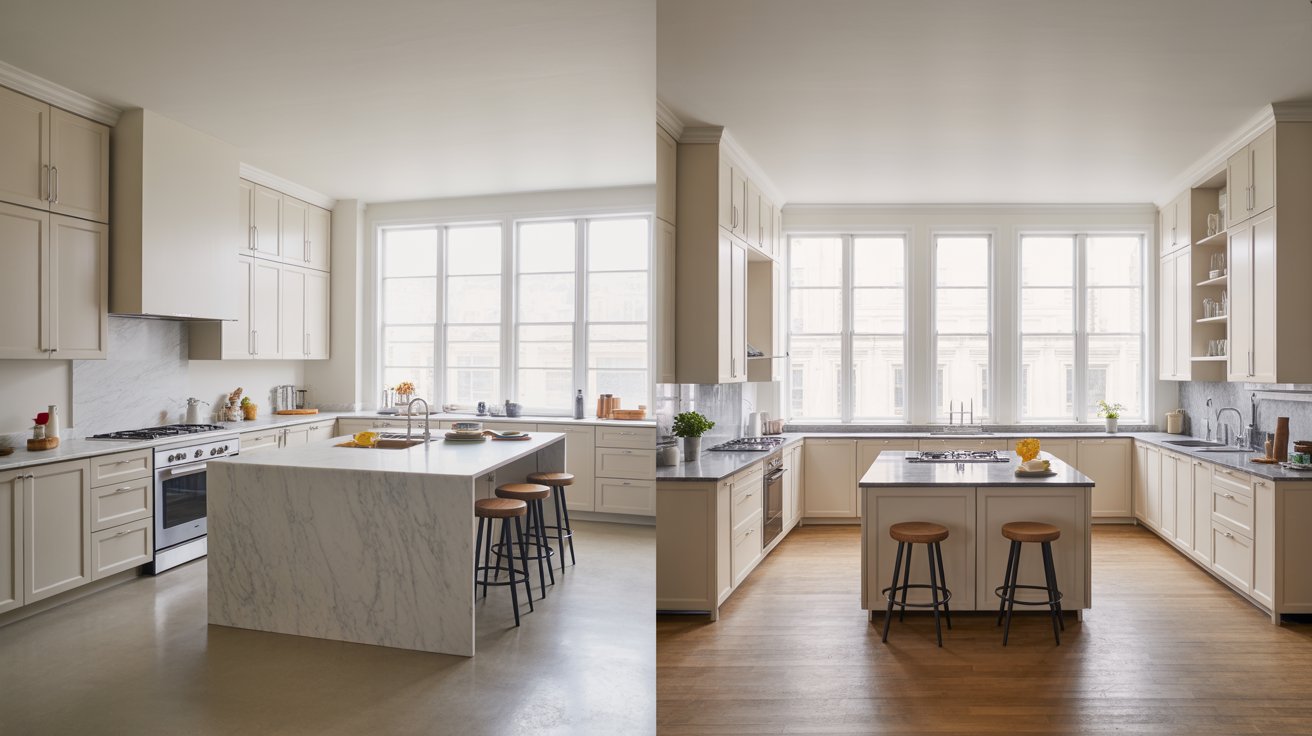
Your room dimensions matter most. Large, open kitchens have space for islands with clearance on all sides. You need at least 36 to 48 inches of walking space around an island. Smaller kitchens work better with peninsulas. Measure your space before falling in love with a design. If you can’t move comfortably, the layout won’t work long-term.
Work Triangle and Traffic Flow
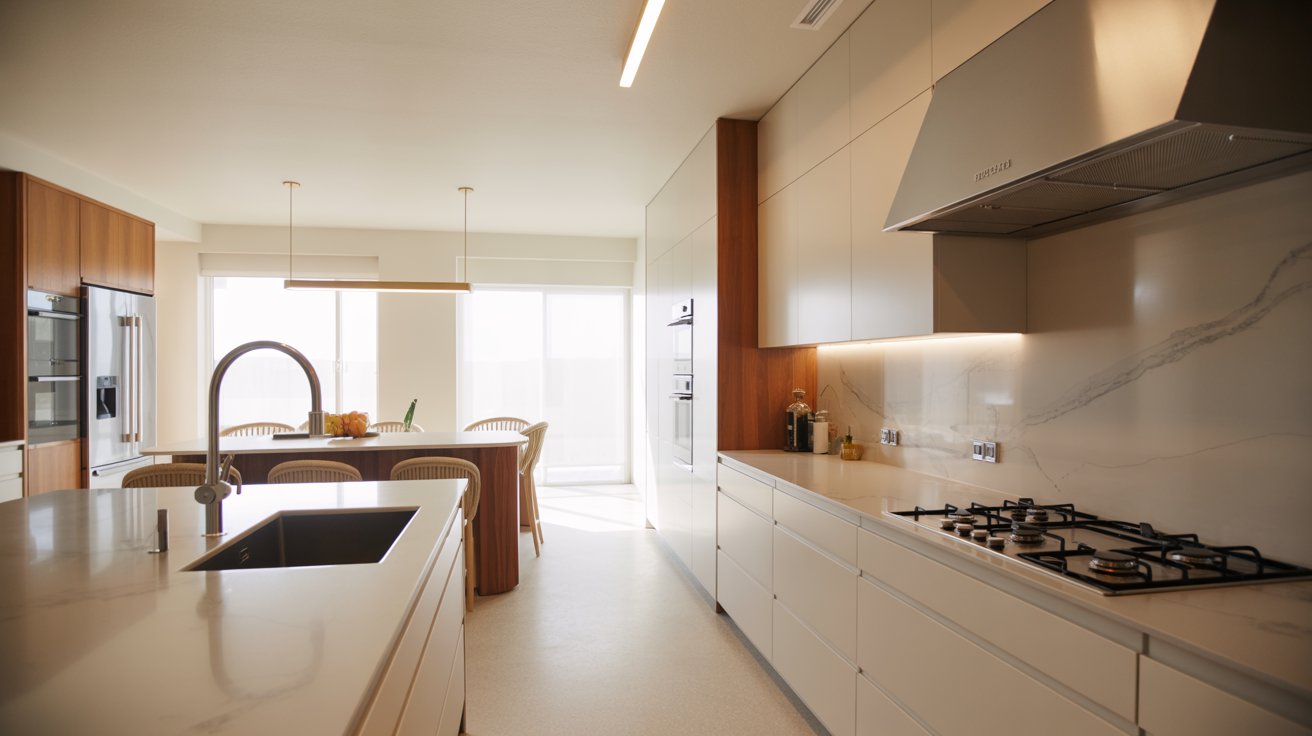
Think about how you move between your cooktop, sink, and fridge. This triangle should stay compact and unblocked. An island in the wrong spot creates bottlenecks. A peninsula might guide traffic better in your layout. Walk through your current kitchen and notice your patterns. The best design supports how you already work, not against it.
Family Lifestyle and Usage
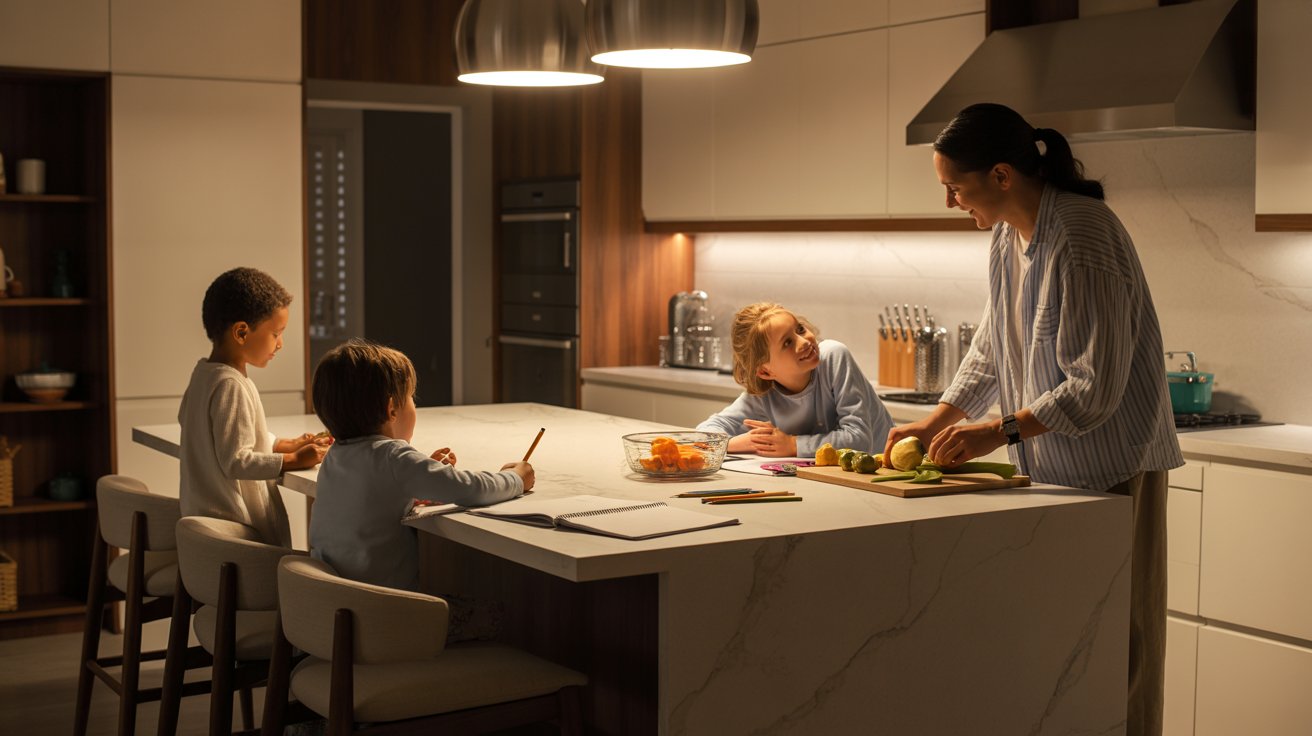
Consider how your family uses the kitchen. Do you cook big meals often? Host friends regularly? An island provides more gathering space for socializing. If you usually cook alone or have a small household, a peninsula might feel more comfortable. Think about homework time, quick breakfasts, and dinner prep. Your daily reality should guide this choice.
Budget and Remodeling Scope
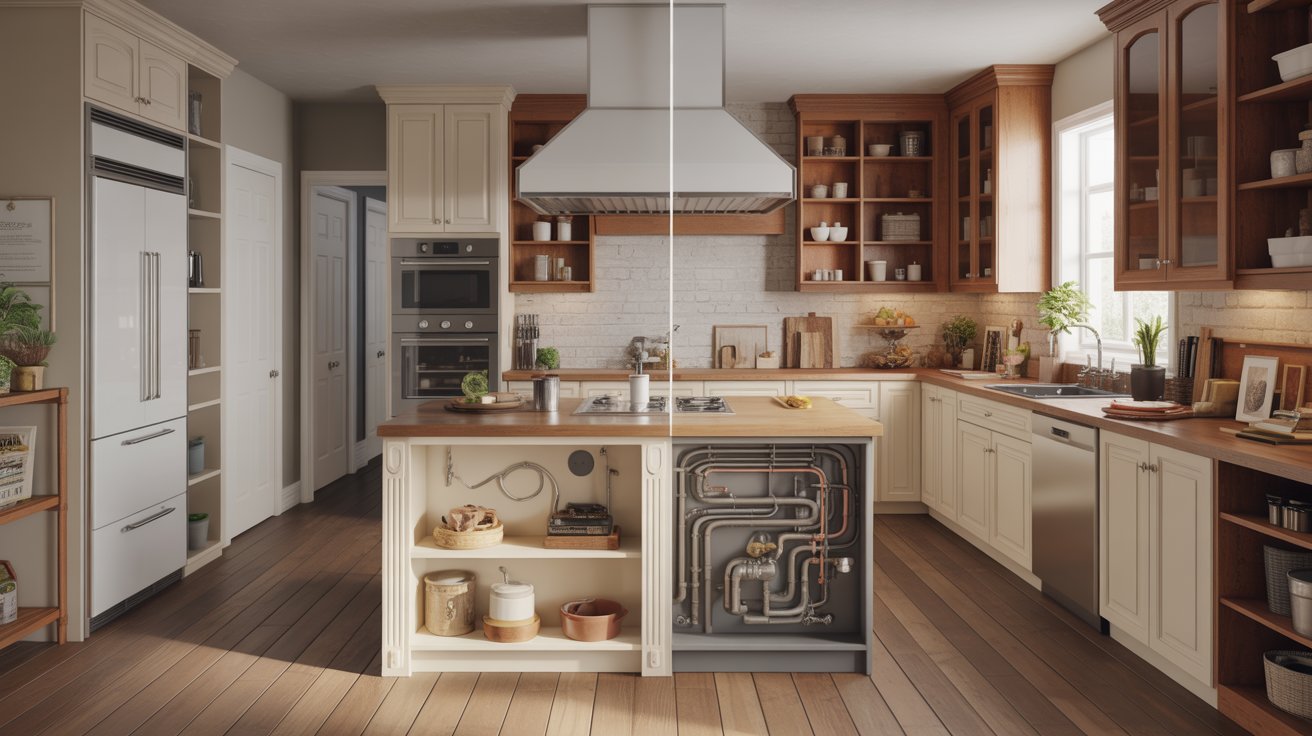
Islands typically cost more to install. You might need floor work, new plumbing lines, or extra electrical outlets. Peninsulas connect to existing infrastructure, keeping costs lower. Set a realistic budget before deciding. Sometimes the smarter option is the one you can afford to do right. A well-executed peninsula beats a compromised island every time.
Design Tips from the Experts
Smart lighting, storage choices, and counter heights make your island or peninsula more functional and beautiful for daily use.
- Install pendant lighting – Hang fixtures over your island or peninsula for better visibility and warmth, making prep work safer and more enjoyable
- Add under-cabinet lights – Bright work areas improve safety and create a welcoming atmosphere for cooking and entertaining
- Use multi-level counters – Different heights serve different purposes, from rolling dough to hiding dirty dishes while creating distinct prep and dining zones
- Customize storage solutions – Add pull-out spice racks, hidden outlets, knife blocks, or cutting board slots based on how you actually cook
- Design around your habits – Built-in features that match your daily routine make your kitchen feel custom-built, not just a generic showroom copy
Kitchen Island vs Peninsula: Which One Is Right for You?
Match your final choice to your space size, daily habits, and long-term goals for a kitchen that works beautifully.Your decision comes down to space, budget, and lifestyle.
Islands suit large, open kitchens where you entertain often and need lots of workspace. They shine in homes with open floor plans. Families who cook together benefit from the 360-degree access.
Peninsulas fit smaller layouts better. They provide efficiency without wasting precious square footage. If your kitchen opens to a living room but isn’t huge, a peninsula creates separation without walls.
Conclusion
I’ve seen people struggle with this choice for years. I’ve discovered that the option that makes your life easier is the best one.
Don’t choose something based solely on its appearance on the internet. Consider the Sunday dinner preparation or the Tuesday morning breakfast rush.
At that point, the decision between a kitchen island and a peninsula is crucial. Start by taking precise measurements of your area if you’re still not sure. At times, the dimensions make the decision for you.
Tell me which way you lean by leaving a comment below. Tell me what’s preventing you from moving forward or what made your decision clear.
Together, let’s solve this.
Frequently Asked Questions
How much space do I need for a kitchen island?
You need at least 36 to 48 inches of clearance on all sides of an island. This allows comfortable movement and prevents your kitchen from feeling cramped during daily use.
Can I add seating to a peninsula?
Yes, peninsulas work great with bar stools along the open side. You typically need 24 inches of counter width per person for comfortable seating and legroom.
Which option costs less to install?
Peninsulas usually cost less because they connect to existing cabinets and walls. Islands often require additional plumbing, electrical work, and sometimes structural floor modifications.
Do islands or peninsulas add more home value?
Both can increase home value when done right. Islands tend to appeal more to buyers in larger homes, while peninsulas make smaller kitchens look more functional and thoughtful.
Can I put a sink or cooktop in a peninsula?
Absolutely. You can add sinks, cooktops, or dishwashers to peninsulas just like islands. The attached design often makes running plumbing and gas lines easier and cheaper.
