

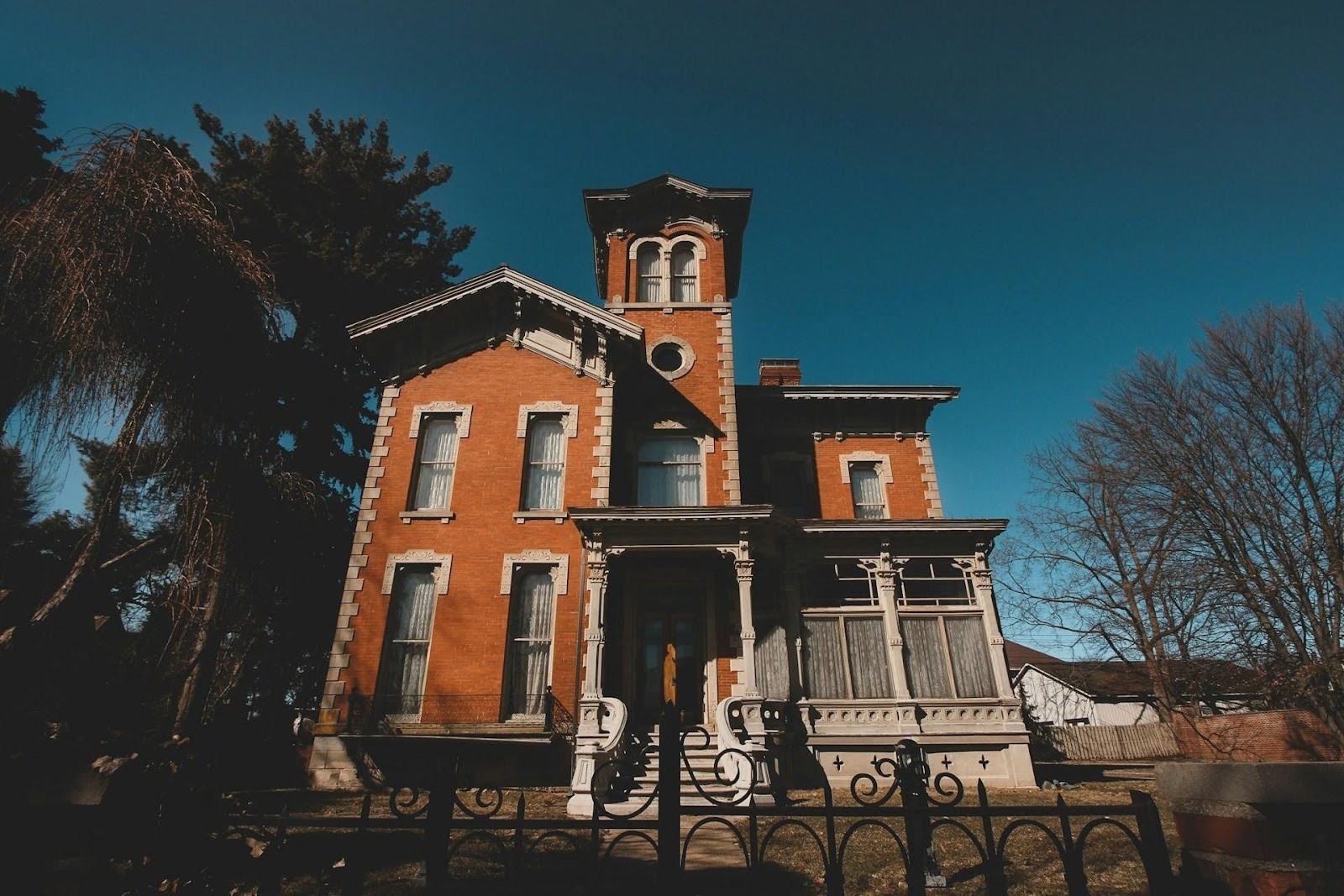
Older homes have a kind of charm that new construction just can’t replicate. The moment you walk into one, you can feel the history in the floorboards, the craftsmanship in the woodwork, and the character that only time can create. Whether it’s a craftsman bungalow with original built-ins, a Victorian with stained-glass windows, or a 1950s ranch with mid-century details, older homes tend to offer personality in spades.
But along with all that charm often comes a handful of surprises, some delightful, some… not so much. If you’re thinking about buying an older home, knowing what to expect can save you time, stress, and a whole lot of guesswork. Here’s what every buyer should understand before signing on the dotted line.
1. Older Homes Come With Hidden Stories
Every home has a history, but older homes have many histories layered on top of each other. Some chapters are wonderful: handcrafted trim, original hardwood floors, thoughtful architecture. Others, however, are less romantic.
Previous owners may have made creative “fixes,” done weekend-warrior renovations, or ignored small issues that slowly turned into bigger ones. Materials age, foundations settle, systems deteriorate, and repairs get patched rather than properly addressed.
None of these are reasons to avoid older homes entirely, they’re simply reasons to go in with your eyes open.
2. Pay Attention to the Condition of Major Systems
When you buy an older home, the big systems matter just as much as the pretty details. Cosmetic updates are easy; replacing an entire electrical system isn’t.
Here are the essential components to evaluate:
Electrical
Older homes may have:
- Outdated wiring
- Limited breaker capacity
- Old fuse boxes
- Knob-and-tube systems
These aren’t automatic deal-breakers, but they can be expensive to update, especially if you plan to add modern appliances or tech-heavy upgrades.
Plumbing
Galvanized pipes are common in older homes, and they tend to corrode from the inside out. Low water pressure, odd smells, and leaks may be signs that the plumbing needs attention.
Root intrusion is also common in aging sewer lines.
HVAC
Heating and cooling systems don’t last forever. An older furnace or AC unit may be approaching the end of its lifespan, and older ductwork may be inefficient.
Roof and Foundation
Roofs have predictable lifespans. Foundations, on the other hand, can shift or crack with age. Hairline cracks are normal; structural issues are not. A qualified inspector can help you tell the difference.
3. Older Homes Aren’t Always Energy-Efficient
If you’re moving from a newer home, you may notice higher utility bills at first. Many older homes weren’t built with energy efficiency in mind.
Common issues include:
- Poor or nonexistent insulation
- Single-pane windows
- Drafty doors
- Older appliances
- Inefficient HVAC systems
The good news? Many of these issues are fixable. Weatherstripping, smart thermostats, new insulation, and ENERGY STAR appliances go a long way toward reducing costs, and increasing comfort.
4. Prepare for Maintenance, Upgrades, and Surprises
No matter how well-preserved an older home is, age eventually catches up to everything. Even small things like caulking, door alignment, or old light fixtures can add up over time.
This is especially true if you’re planning medium- or long-term upgrades like:
- Replacing old flooring
- Updating kitchens and bathrooms
- Restoring original features
- Upgrading electrical or plumbing
- Fixing structural wear and tear
Because some of these projects can stretch across months or years, it helps to plan ahead. A realistic picture of how your savings might grow over time goes a long way in helping with timelines. For example, you can use a savings interest calculator to estimate how quickly funds might accumulate for future repairs or renovations.
This isn’t about overthinking, it’s about setting expectations so nothing catches you off guard.
5. Be Aware of Hazardous Materials
Many materials used decades ago are no longer considered safe today. If the home is older, it’s worth checking for:
- Lead-based paint (common in homes built before 1978)
- Asbestos in insulation, tiles, or ceilings
- Mold in damp or poorly ventilated areas
- Old insulation materials that may need replacing
These issues don’t automatically mean you shouldn’t buy the home. They just need to be identified and handled properly by professionals.
6. Historical or Local Restrictions May Apply
If the home is in a historic district, or simply old enough to be considered historically significant, you may run into restrictions on what you can change. Everything from exterior paint colors to window replacements might require approval.
Some buyers love the idea of owning a protected historic home; others find the rules too limiting. Just make sure you know what you’re signing up for.
7. Get a Specialized Inspection, Not Just a Standard One
A regular home inspection is good. A home inspector who specializes in older homes is even better.
They know:
- What materials were common in different decades
- How those materials age
- What problems are typical for certain eras
- Where past owners might have taken shortcuts
This kind of expertise can uncover issues that a general inspector might miss. It can also give you a clearer understanding of what’s urgent, what’s cosmetic, and what’s perfectly normal for a home of that age.
8. Balance the Charm With the Commitment
Older homes reward buyers who appreciate character, craftsmanship, and the unique quirks that come with age. But there’s a balance between loving the charm and being ready for the responsibilities.
Ask yourself:
- Do you enjoy hands-on home care?
- Are you prepared for occasional surprises?
- Do you value character more than modern convenience?
- Do you see the potential, not just the present condition?
For many homeowners, the answer is a resounding yes. Older homes have a soul that newer ones just can’t replicate.
Conclusion: Older Homes Are Worth It, As Long as You’re Prepared
Buying an older home can be one of the most rewarding decisions you make as a homeowner. They have personality, history, and details that make them stand out from the crowd. But they also come with needs, sometimes immediate, sometimes over time.
With realistic expectations, a good inspection, and a clear sense of what you’re getting into, you can enjoy all the character of an older home without the surprises catching you off guard.
And when you’re ready, an older home can become something truly special, your own piece of history, cared for and carried forward.
