

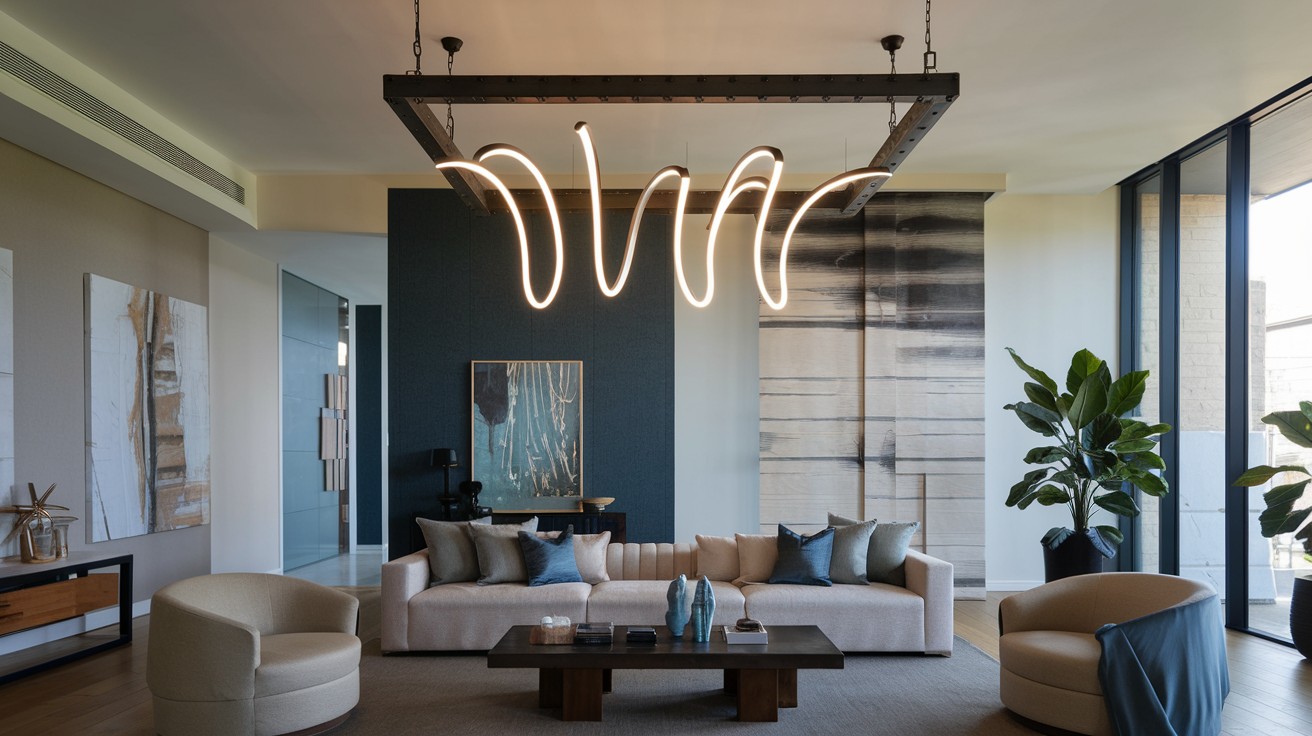
Lighting has always played a central role in how we shape and feel about our living spaces. It sets the mood, defines the architecture, and often becomes a focal point in a room. Among the many lighting options available, modern chandeliers are experiencing a significant resurgence—not just as decorative pieces but as practical, stylish lighting solutions. Far from the heavy, crystal-laden designs of the past, today’s modern chandeliers are sleek, minimalist, and versatile, making them an essential element in contemporary interiors.
The Shift Toward Modern Lighting
For decades, chandeliers were primarily associated with formal dining rooms or grand entrances. They symbolized luxury and opulence, often featuring intricate detailing and traditional craftsmanship. But as architectural styles evolved and minimalism gained traction, lighting design followed suit. The result is a new generation of modern chandeliers that reflect today’s values: simplicity, functionality, and style.
These fixtures are no longer confined to large mansions or ballrooms. They now appear in compact apartments, open-plan homes, creative office spaces, and even restaurants. What has changed is not the purpose—providing light—but the approach to form, placement, and impact.
Why Modern Chandeliers Matter
1. A Statement of Style
Modern chandeliers often act as sculptural centerpieces. With their geometric shapes, asymmetric forms, and mixed materials like metal, glass, or even wood, they bring visual interest to a space without overwhelming it. In many cases, they replace the need for other decorative features entirely.
In minimalist spaces where every item is intentional, a well-designed chandelier can elevate the entire aesthetic. It’s not just about illumination—it’s about identity and expression.
2. Versatility in Design
One of the key reasons for the popularity of modern chandeliers is their adaptability. Unlike traditional styles that were suited to specific settings, modern versions come in a wide range of sizes and configurations. Some are linear and understated, perfect for above a kitchen island. Others are bold and abstract, ideal for a high-ceiling living room.
This flexibility allows homeowners and designers to incorporate chandeliers into spaces that previously wouldn’t have accommodated them.
3. Better Use of Light
Today’s modern chandeliers are designed with function in mind. Many include integrated LED lighting, dimmable features, and directional illumination. This improves energy efficiency and enhances the user’s ability to control ambiance. These fixtures are no longer just ornamental; they serve a practical purpose that complements the rest of the home’s lighting strategy.
4. Space-Saving Benefits
In homes where floor and table space is limited, ceiling-mounted lighting is a smart solution. A modern chandelier provides substantial illumination without taking up valuable real estate. In studio apartments or compact urban homes, this can make a huge difference in maintaining open, usable floor space.
Where Modern Chandeliers Work Best
– Dining Rooms
Suspended above a dining table, a modern chandelier adds intimacy and warmth. It draws people together and visually anchors the dining area, especially in open-plan layouts.
– Living Rooms
In living rooms, a chandelier can balance the space and act as a centerpiece, especially if there’s high or vaulted ceilings. When layered with floor lamps and recessed lighting, it completes a multi-dimensional lighting scheme.
– Bedrooms
While not a traditional location, many designers now use low-profile chandeliers in bedrooms to add softness and sophistication without overpowering the space.
– Entryways and Staircases
These transitional spaces benefit from vertical lighting features. A striking modern chandelier can add drama and welcome guests with a lasting first impression.
– Home Offices
With the increase in remote work, people are investing more into the comfort and design of their workspaces. A modern chandelier can bring an element of elegance and focus to a home office, making it feel more intentional.
The Broader Role of Lighting in Design
The increasing demand for modern chandeliers reflects a larger trend in interior design: the understanding that lighting isn’t just functional—it’s foundational. Lighting influences how we experience color, texture, and layout. It can enhance or disrupt the atmosphere of a room. In a well-designed space, lighting is carefully layered and planned, with each fixture chosen to serve both a visual and practical purpose.
This mindset is especially important as homes become more multi-functional. A single space might serve as a living area, workspace, and dining room all in one. Lighting must be versatile enough to support different activities while maintaining visual harmony.
Things to Consider When Choosing a Modern Chandelier
- Scale and Proportion: The fixture should be proportional to the room and furniture. Oversized chandeliers can overwhelm small spaces, while tiny fixtures can feel underwhelming in large rooms.
- Height and Placement: Consider ceiling height and how the chandelier will be viewed from different angles.
- Light Output: Choose a fixture that provides adequate illumination for the space or is compatible with other light sources.
- Material and Finish: Match or contrast finishes with other elements in the room, such as door hardware, furniture legs, or cabinet handles.
Final Thoughts
Modern chandeliers have successfully redefined what ceiling lighting can be. They combine form and function, style and substance. As open-plan living, minimalist decor, and energy-conscious design continue to influence how we build and furnish our spaces, the modern chandelier has found its place not as a relic of the past, but as a vital part of the future.
