

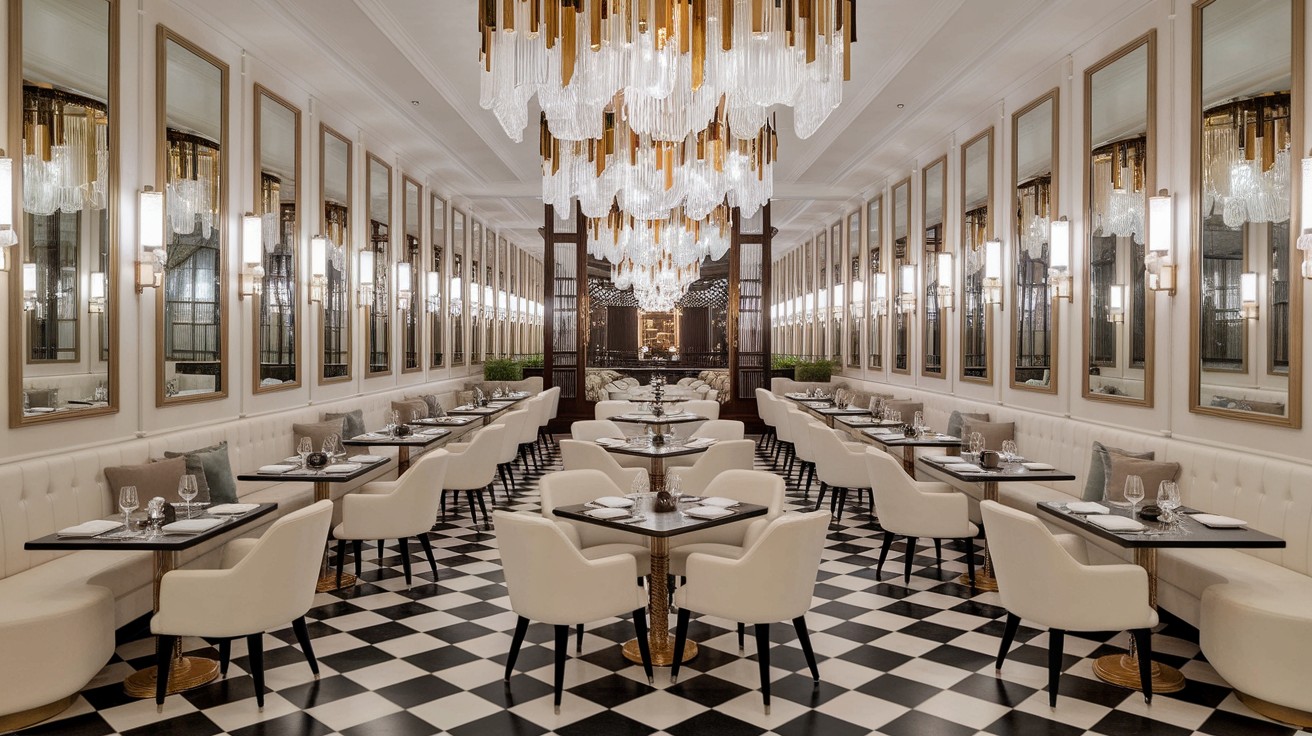
Fine dining is not just about the good food. It means creating a setting for an experience that takes the dinner to another level. Designers play a critical role in defining these experiences. They combine aesthetics with function, creating spaces that please the senses and leave a lasting impression.
Setting the Scene
The atmosphere in a fine-dining experience starts with the location and design of the restaurant. Interaction with the space is also something that designers consider when designing a hotel space. Luxury restaurant designers pay attention to light, acoustics, and the flow of music. Intimate lighting that is soft and warm, coupled with faint, pleasing music, keeps the noise level comfortable, allowing conversation to happen without interruption.
Choosing the Right Materials
This may seem trivial, but the materials used have a profound impact on the overall ambiance of a dining room. Designers choose high-class materials that exude sophistication and elegance. This commonly includes marble, rich woods, and plush fabrics. All of these choices will enhance the aesthetic qualities and also promote durability and comfort.
Color and Texture
The color palette and texture play an important role in dining. Colors elicit particular emotions, and designers capitalize on that. Warmer hues add to a sense of comfort, while cool shades create a sense of calmness. Textures such as smooth leather or rough stone bring depth and interest.
The Role of Art and Decor
Art and decoration help add the stamp of individuality that makes a restaurant distinctive. Well-chosen pieces may echo the character of the establishment. Sculptures, paintings, and installations provide additional texture and layers of meaning. Designers collaborate with artists, ensuring that these pieces complement the overall vision.
Furniture and Layout
They affect not only the room’s functionality but also the occupants’ mood. Chairs and tables should accommodate an extended leisurely meal. The movement of both staff and guests should be considered when designing the layout, as this will facilitate a smooth flow and provide a pleasant experience. If there is one thing that can significantly affect the overall aesthetic of a piece of furniture, it is attention to detail.
Sensory Engagement
An extravagant dining experience should stimulate all the senses. It is a mix of aspects that are visually stimulating, tactile, auditory, and even olfactory in nature, which designers use to transcend beyond the visual spectrum. Scent from fragrant blossoms or gentle fragrances can add to the ambiance. Background music — maybe something soft or ambient that sets the tone without drowning out conversations is a must.
Sustainability and Innovation
Sustainability is also a trend in modern luxury dining spaces. Designers strive to incorporate sustainable practices while maintaining a chic aesthetic. For example, they often include recycled materials, energy-efficient lighting, or locally sourced furnishings. Design innovation then allows these elements to blend seamlessly and ethically as part of a commitment to responsible luxury.
Creating a Unique Identity
Each luxury restaurant is looking to carve out its niche. Designers strive to build each space with a personality that the audience can relate to. They also take into account cultural influences, historical references, and the chef’s vision. This cohesive narrative approach not only enhances the overall dining experience but also sets a distinct tone for each course.
Collaboration With Chefs and Owners
Successful design involves collaboration. Designing for food means collaborating with chefs and restaurant owners to create a culinary vision for the space. Together, this collaboration ensures a design that complements the menu and enhances the overall dining experience.
Technology Integration
Technology integration can enrich the culinary space. Technical elements, such as mood lighting controls or an innovative sound system, are also intentionally added by designers. Such features provide customization and flexibility, enabling restaurants to tailor the experience to different occasions or preferences.
Conclusion
Interior designers behind luxury restaurants build more than just a simple dining area. They design experiences that we remember. They create environments that enhance the culinary art by carefully contemplating every aspect of the space, from light to textures. They create unforgettable dining experiences that engage all the senses through creativity and collaboration.
