

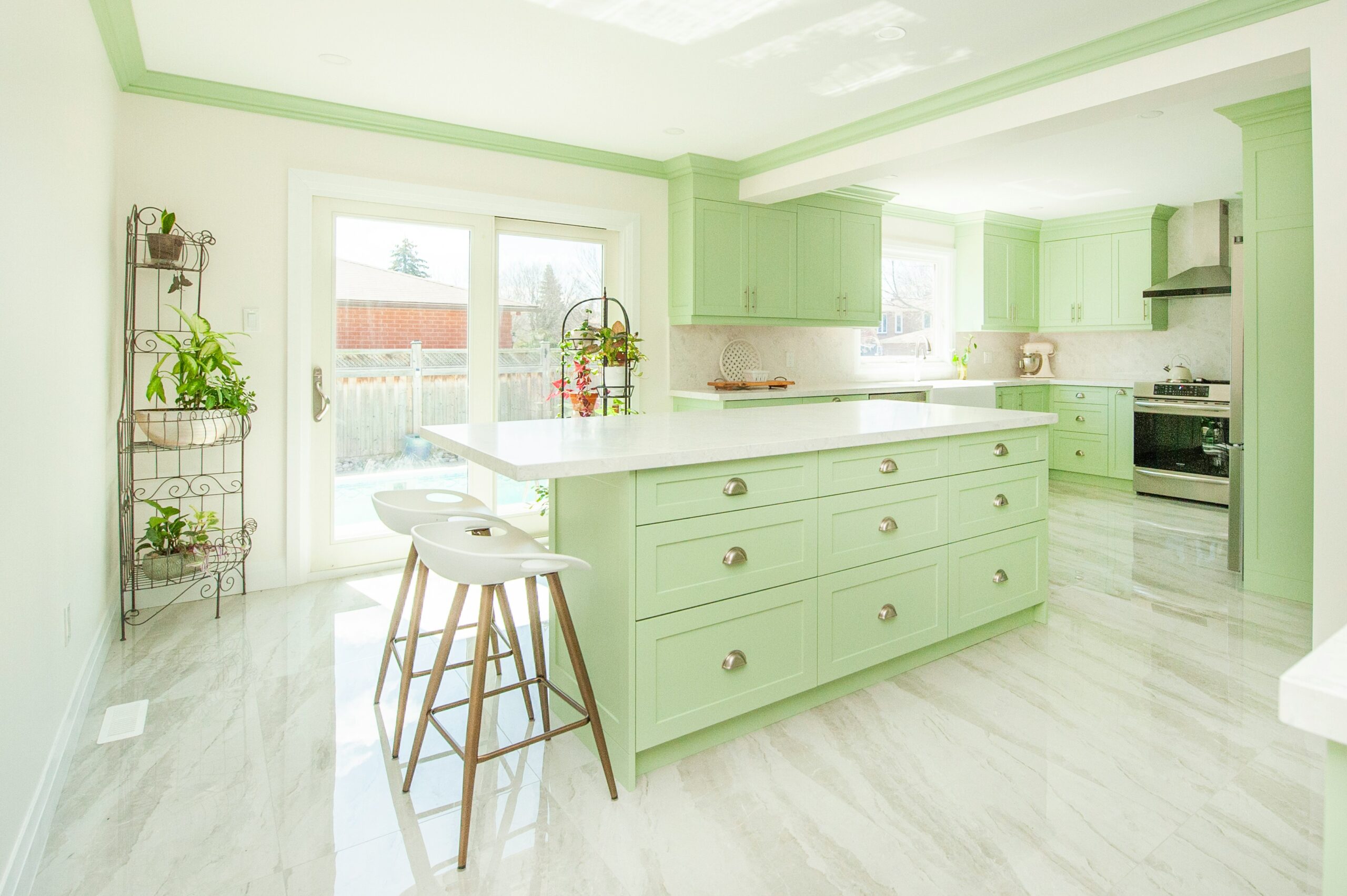
As we look ahead to 2026, the interior design world is undergoing a significant shift. Gone are the days of sterile, all-white spaces and cold minimalism. Instead, homeowners are craving warmth, authenticity, and designs that feel genuinely lived-in. From the resurgence of classic Hollywood aesthetics to innovations in flooring technology, here are the trends that will define how we live in the coming year.
1. The Nancy Meyers Design Revival
If you’ve ever watched The Holiday, It’s Complicated, or Something’s Gotta Give, you already know this aesthetic, and you’ve probably wanted to live in one of those homes. The Nancy Meyers design style has become the defining trend of recent years, and it’s showing no signs of slowing down.
This look is all about warm, soft, inviting interiors with layers of detail that feel both curated and effortless. Think soft creams and ivories instead of stark whites, rich walnut wood tones rather than pale oak, and abundant texture through throw blankets, pillows, and natural materials.
How to Achieve the Look
Start with your color palette. Swap cool-toned whites for warmer creams and ivories. Introduce darker wood tones like walnut, which bring instant warmth to any space. Layer generously with linens, velvet upholstery, and textured rugs. The key is creating depth. Every corner should invite you to sit down and stay awhile.
For a coastal interpretation, lean into natural linens and sisal rugs. For something more classically traditional, embrace velvets, deep-pile wool rugs, and rich jewel tones. Either way, the essence remains the same: warmth, authenticity, and a sense of home.
2. The Bold Return of Color
After years of beige-on-beige-on-beige, color is officially back, and homeowners are embracing it with enthusiasm. The trajectory has been building: first came the shift from all-white to warm neutrals, then browns and camels entered the picture. Now, we’ve arrived at genuine, saturated color.
This isn’t about painting every wall a shocking hue. Rather, it’s about thoughtful pops of color that add personality and authenticity to a space. A deep olive green accent wall, a rich sapphire sofa, or bold artwork can transform a room from staged to genuinely lived-in.
3. Luxury Vinyl Tile Takes Center Stage
Flooring trends for 2026 point decisively toward luxury vinyl tile (LVT) as the material of choice for homeowners seeking the perfect balance of beauty and practicality. Once dismissed as a budget alternative, LVT has evolved into a sophisticated flooring solution that rivals traditional hardwood and stone in appearance while offering superior performance.
The global LVT market is experiencing remarkable growth, with the industry projected to expand significantly through 2035. This surge reflects a fundamental shift in how homeowners approach flooring decisions, prioritizing durability and ease of maintenance without sacrificing aesthetic appeal.
Why Designers Are Recommending LVT
Modern LVT products feature hyper-realistic designs that closely replicate natural materials like wood and stone. Advanced imaging technology creates textures so convincing that even design professionals struggle to distinguish them from the real thing. Rigid core LVT, in particular, offers superior durability, sound-dampening properties, and complete water resistance, making it ideal for kitchens, bathrooms, and high-traffic areas.
Sustainability is also driving adoption. Many manufacturers now produce LVT using recycled materials and eco-friendly processes, with certifications for low VOC emissions and reduced environmental impact. Click-and-lock installation systems have revolutionized the DIY market, allowing homeowners to achieve professional results without specialized skills.
2026 LVT Style Direction
Expect to see LVT moving away from cool grays toward warm honey tones, rich chestnuts, and natural oak finishes, perfectly aligned with the broader design movement toward warmth and authenticity. Wide planks and large-format tiles continue gaining momentum, creating seamless visual flow in open-concept spaces. Herringbone and chevron patterns in vinyl offer a high-end look with easy maintenance, making sophisticated design accessible to more homeowners.
4. Romantic Minimalism
Minimalism isn’t going anywhere, but it’s getting a romantic makeover.
Where traditional minimalism might favor a perfectly square, unadorned coffee table, romantic minimalism embraces the vintage piece with beautiful curved legs and a weathered patina. The philosophy remains the same: don’t accumulate unnecessary things. But every piece you do keep should bring genuine joy and aesthetic beauty.
Antiques and Vintage Finds
This trend opens the door to antiques and vintage furniture in a significant way. Since traditional design hasn’t dominated the mainstream for the past decade, many of these pieces are available at remarkable values. Facebook Marketplace and local antique shops have become treasure troves for those seeking unique, characterful furniture.
Floral arrangements play a starring role in romantic minimalism. A neutral, calm space accented with a single, beautiful floral display creates the perfect tension between restraint and romance. The result? Spaces that feel intentional yet alive, edited yet welcoming.
5. Rich Textures and Moody Palettes
The Ralph Lauren aesthetic has emerged as a powerful influence in home design, characterized by rich leathers, deep browns, and sophisticated layering. Layering remains essential: mix tartan patterns with solid velvets, combine leather with soft wool, and don’t shy away from unexpected materials like denim accents. Crystal and antique silver accessories are making a significant comeback, adding sparkle and heritage to these richly textured spaces.
Making It Your Own
The key to implementing this trend successfully is personalization. Take the foundational elements, the rich colors, the texture mixing, the sophisticated layering, and blend them with your existing design sensibility. Perhaps you introduce a Wedgwood blue alongside the traditional burgundies and forest greens, or you mix the masculine leather elements with softer, lighter pieces.
This approach ensures your space feels collected over time rather than purchased wholesale from a catalog. The goal is sophistication with soul; rooms that feel both elevated and genuinely personal.
6. The Return of Architectural Details
After years of clean, unadorned walls and stripped-down architecture, homeowners are rediscovering the beauty of millwork, moldings, and classic architectural elements. Crown molding, chair rails, wainscoting, and decorative trim are experiencing a renaissance, particularly in new construction, where these details had been absent for over a decade.
This shift represents more than nostalgia. As one designer notes, rooms now feel “dressed” again. With structured upholstery, lined drapery, and layered moldings creating a sense of hierarchy and proportion that had been missing from modern interiors. The result is spaces with gravitas and permanence, rooms that feel considered rather than merely functional.
The Common Thread
What connects all these trends? Authenticity. Whether it’s the welcoming warmth of Nancy Meyers-inspired spaces, the personality that color brings, the practical elegance of modern LVT, the intentional beauty of romantic minimalism, or the rich layers of texture-forward design. The pendulum has swung away from sterile perfection toward spaces with character, warmth, and history. Homes are no longer meant to look like they’re waiting for a photoshoot; they’re meant to be backdrops for real life.
